
How to Successfully Sell Your House in Naperville
Understanding the Naperville Real Estate Market
Naperville’s real estate market is like a well-brewed cup of coffee: rich, complex, and a little bit unpredictable. Did you know that homes in Naperville have seen an average appreciation of over 5% annually for the past decade? That’s right; this isn’t just any suburb—it’s a hotbed for families looking to plant roots.
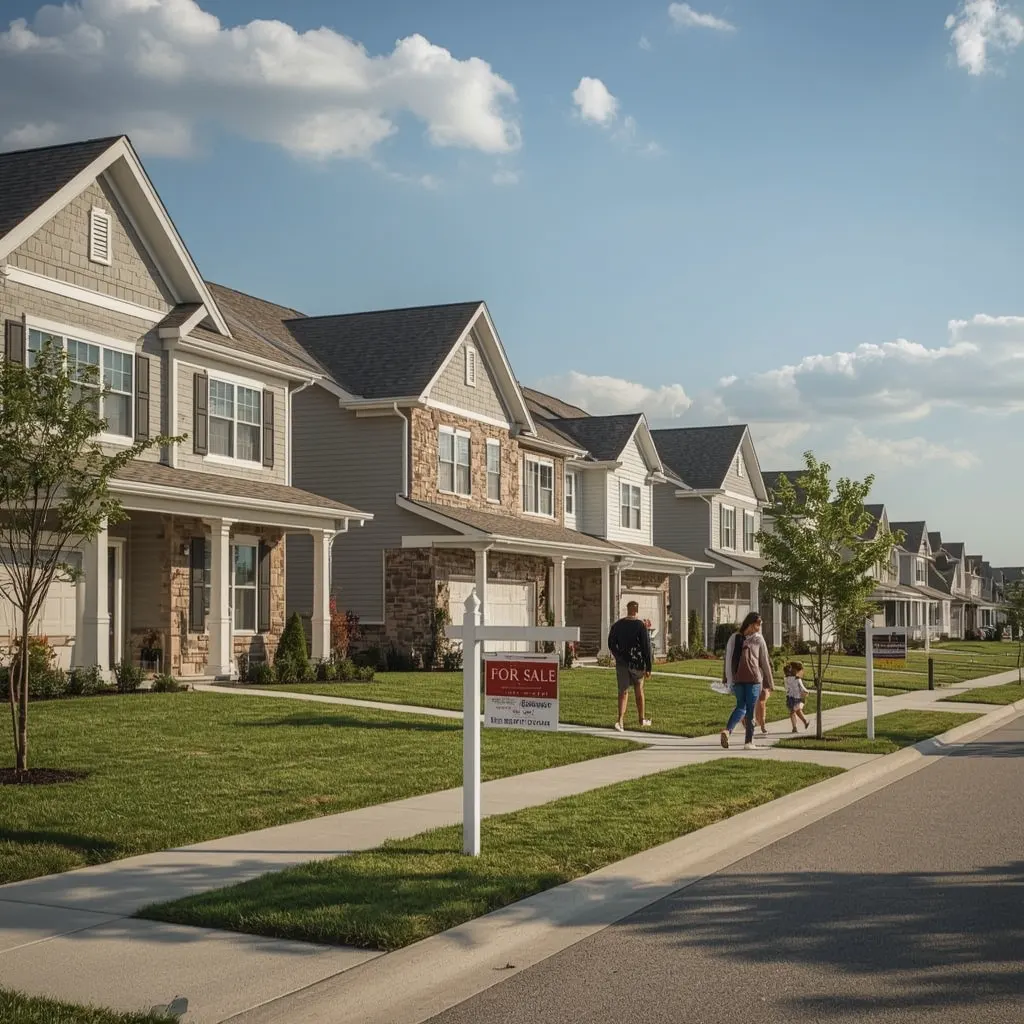
But before you slap that For Sale sign in your front yard, let’s break down what makes Naperville tick in the real estate realm. The market here is driven by a mix of factors: top-notch schools, vibrant community life, and proximity to Chicago. It’s not just about selling your house; it’s about understanding the landscape.
Key Market Trends
Currently, inventory levels are tight. This means fewer homes are available for sale compared to the demand from eager buyers. Families flock here not just for the excellent education system but also for the community vibe—think festivals at Riverwalk and weekend farmers markets. Sellers often find themselves in bidding wars, especially if their home is updated or located near popular schools like Naperville North or Central.
Pro Tip: Homes that showcase modern amenities and curb appeal tend to attract more buyers quickly!
Neighborhood Nuances
Not all neighborhoods in Naperville are created equal when it comes to selling your house. For instance, areas like Ashbury and Tall Grass are known for their family-friendly environments and spacious homes, making them highly sought after. On the flip side, if you’re in an older neighborhood with less modern appeal, you might need to invest a little elbow grease—or cash—to make your property competitive.
- Ashbury: Great schools and parks.
- Tall Grass: Spacious homes with family-friendly amenities.
- Downtown Naperville: Walkable lifestyle with trendy shops.
Location, location, location isn’t just a cliché; it’s the mantra of successful home selling in Naperville!
Selling house isn’t merely about putting up a listing; it’s about showcasing what makes your home special within this vibrant community. Understanding local trends can help you position your property effectively.
What Buyers Want
Buyers today are looking for more than just four walls—they want lifestyle! Features like open floor plans, energy-efficient appliances, and outdoor spaces have become non-negotiable items on many wish lists. If your home has these features or is close to parks and recreational facilities like Centennial Beach or DuPage River Park, you’re already ahead of the game.
In short, understanding these nuances can mean the difference between a quick sale at top dollar or lingering on the market longer than you’d prefer. So take some time to research comparable sales (the good old comps)—it’ll pay off when you’re ready to sell!
Naperville’s real estate market is like a well-brewed cup of coffee: rich, complex, and a little bit unpredictable. Did you know that homes in Naperville have seen an average appreciation of over 5% annually for the past decade? That’s right; this isn’t just any suburb—it’s a hotbed for families looking to plant roots.
But before you slap that For Sale sign in your front yard, let’s break down what makes Naperville tick in the real estate realm. The market here is driven by a mix of factors: top-notch schools, vibrant community life, and proximity to Chicago. It’s not just about selling your house; it’s about understanding the landscape.
Key Market Trends
Currently, inventory levels are tight. This means fewer homes are available for sale compared to the demand from eager buyers. Families flock here not just for the excellent education system but also for the community vibe—think festivals at Riverwalk and weekend farmers markets. Sellers often find themselves in bidding wars, especially if their home is updated or located near popular schools like Naperville North or Central.
Pro Tip: Homes that showcase modern amenities and curb appeal tend to attract more buyers quickly!
Neighborhood Nuances
Not all neighborhoods in Naperville are created equal when it comes to selling your house. For instance, areas like Ashbury and Tall Grass are known for their family-friendly environments and spacious homes, making them highly sought after. On the flip side, if you’re in an older neighborhood with less modern appeal, you might need to invest a little elbow grease—or cash—to make your property competitive.
- Ashbury: Great schools and parks.
- Tall Grass: Spacious homes with family-friendly amenities.
- Downtown Naperville: Walkable lifestyle with trendy shops.
Location, location, location isn’t just a cliché; it’s the mantra of successful home selling in Naperville!
Selling house isn’t merely about putting up a listing; it’s about showcasing what makes your home special within this vibrant community. Understanding local trends can help you position your property effectively.
What Buyers Want
Buyers today are looking for more than just four walls—they want lifestyle! Features like open floor plans, energy-efficient appliances, and outdoor spaces have become non-negotiable items on many wish lists. If your home has these features or is close to parks and recreational facilities like Centennial Beach or DuPage River Park, you’re already ahead of the game.
In short, understanding these nuances can mean the difference between a quick sale at top dollar or lingering on the market longer than you’d prefer. So take some time to research comparable sales (the good old comps)—it’ll pay off when you’re ready to sell!
Preparing Your Home for Sale: Staging and Repairs
Did you know that homes that are staged sell 73% faster than those that aren’t? If you’re selling your house in Naperville, this statistic could be your golden ticket to a quick sale. But before you start rearranging furniture like an interior design pro, let’s break down the essentials of staging and repairs.
The Art of Staging
Staging isn’t just fluffing pillows and baking cookies (though the smell of fresh-baked cookies definitely helps!). It’s about creating an inviting atmosphere that allows potential buyers to envision their lives in your space. Think of it as setting the stage for a play—every detail counts.
- Declutter: Clear out personal items and excess furniture to create a spacious feel.
- Neutralize: Paint walls in soft, neutral colors to appeal to a wider audience.
- Highlight Features: Arrange furniture to showcase your home’s best attributes, like a cozy fireplace or spacious kitchen.
- Add Greenery: Fresh plants can breathe life into any room—think of them as nature’s little cheerleaders!
Essential Repairs Before Selling
Now, let’s talk repairs. You might be tempted to skip this step, but trust me—neglecting needed repairs is like trying to sell a car with a check engine light on. Buyers will notice, and they’ll either lowball you or walk away entirely.
- Fix Leaks: A dripping faucet can signal bigger plumbing issues. Get it sorted!
- Update Fixtures: Outdated light fixtures or cabinet hardware can make your home feel dated. A simple upgrade can work wonders.
- Check Safety Features: Ensure smoke detectors and carbon monoxide alarms are functional—safety first!
- Deep Clean: A professional cleaning service can make your home sparkle and shine, leaving no trace of pet hair or dust bunnies.
Tip: Invest in minor renovations like new countertops or fresh landscaping; these can yield significant returns.
Key Takeaway: Proper staging and timely repairs not only enhance your home’s appeal but also increase its market value.
Selling house is not just about listing; it’s about presenting your home in the best possible light. By taking the time to stage effectively and address necessary repairs, you’re setting yourself up for success in Naperville’s competitive market.
Did you know that homes that are staged sell 73% faster than those that aren’t? If you’re selling your house in Naperville, this statistic could be your golden ticket to a quick sale. But before you start rearranging furniture like an interior design pro, let’s break down the essentials of staging and repairs.
The Art of Staging
Staging isn’t just fluffing pillows and baking cookies (though the smell of fresh-baked cookies definitely helps!). It’s about creating an inviting atmosphere that allows potential buyers to envision their lives in your space. Think of it as setting the stage for a play—every detail counts.
- Declutter: Clear out personal items and excess furniture to create a spacious feel.
- Neutralize: Paint walls in soft, neutral colors to appeal to a wider audience.
- Highlight Features: Arrange furniture to showcase your home’s best attributes, like a cozy fireplace or spacious kitchen.
- Add Greenery: Fresh plants can breathe life into any room—think of them as nature’s little cheerleaders!
Essential Repairs Before Selling
Now, let’s talk repairs. You might be tempted to skip this step, but trust me—neglecting needed repairs is like trying to sell a car with a check engine light on. Buyers will notice, and they’ll either lowball you or walk away entirely.
- Fix Leaks: A dripping faucet can signal bigger plumbing issues. Get it sorted!
- Update Fixtures: Outdated light fixtures or cabinet hardware can make your home feel dated. A simple upgrade can work wonders.
- Check Safety Features: Ensure smoke detectors and carbon monoxide alarms are functional—safety first!
- Deep Clean: A professional cleaning service can make your home sparkle and shine, leaving no trace of pet hair or dust bunnies.
Tip: Invest in minor renovations like new countertops or fresh landscaping; these can yield significant returns.
Key Takeaway: Proper staging and timely repairs not only enhance your home’s appeal but also increase its market value.
Selling house is not just about listing; it’s about presenting your home in the best possible light. By taking the time to stage effectively and address necessary repairs, you’re setting yourself up for success in Naperville’s competitive market.
Setting the Right Price: Strategies for Valuation
Pricing your home correctly is like finding the sweet spot on a trampoline—too low, and you hit the ground hard; too high, and you risk bouncing right off. In Naperville’s competitive market, where homes can sell in a flash, setting the right price isn’t just important—it’s essential.
A recent study revealed that homes priced within 5% of their market value sell, on average, 20% faster than those priced higher. With families eager to settle down in our vibrant community, you want to ensure your house doesn’t languish on the market while others fly off the shelves.
Know Your Neighborhood
Naperville is a patchwork quilt of neighborhoods, each with its own charm and quirks. To set an enticing price, start by researching comparable sales—or comps—in your area. Look for houses similar to yours in terms of size, age, and features that have sold recently. For instance, if you live in Ashbury and see that well-kept homes are selling for around 0K but yours has a few more updates and a killer backyard, you might be able to list it at 5K.
- Check recent sales data for your neighborhood.
- Consider the condition of your home versus those sold.
- Identify unique features that add value.
Evaluate Market Conditions
What’s happening in the market? is a question every seller should ask themselves. Are inventory levels low? Is there an influx of buyers drawn to Naperville’s acclaimed schools? These factors influence demand and ultimately play into how much buyers are willing to pay. If you’re selling during peak season—say late spring or early summer—you might be able to command a higher price due to increased buyer activity.
Timing is everything—and this couldn’t be truer when selling your house!
The Goldilocks Principle of Pricing
Not too high, not too low—just right! This principle applies perfectly when it comes to pricing your home. Many sellers make the mistake of listing their house at a premium price with hopes of negotiating down later. However, this can backfire spectacularly! Instead, consider pricing just below significant thresholds (like 9K instead of 0K) to attract more buyers who are searching within specific ranges.
Remember: A well-priced home attracts more interest and can lead to multiple offers—often driving the final sale price up.
Lastly, don’t underestimate the power of professional help! Engaging a local real estate agent who knows Naperville inside and out can provide invaluable insights into pricing strategies tailored specifically for your home’s location and condition.
Ultimately, setting the right price is about balancing market trends with your home’s unique features. Take time to gather data and consult experts; it’s worth it for a smoother sale process!
Pricing your home correctly is like finding the sweet spot on a trampoline—too low, and you hit the ground hard; too high, and you risk bouncing right off. In Naperville’s competitive market, where homes can sell in a flash, setting the right price isn’t just important—it’s essential.
A recent study revealed that homes priced within 5% of their market value sell, on average, 20% faster than those priced higher. With families eager to settle down in our vibrant community, you want to ensure your house doesn’t languish on the market while others fly off the shelves.
Know Your Neighborhood
Naperville is a patchwork quilt of neighborhoods, each with its own charm and quirks. To set an enticing price, start by researching comparable sales—or comps—in your area. Look for houses similar to yours in terms of size, age, and features that have sold recently. For instance, if you live in Ashbury and see that well-kept homes are selling for around $450K but yours has a few more updates and a killer backyard, you might be able to list it at $475K.
- Check recent sales data for your neighborhood.
- Consider the condition of your home versus those sold.
- Identify unique features that add value.
Evaluate Market Conditions
What’s happening in the market? is a question every seller should ask themselves. Are inventory levels low? Is there an influx of buyers drawn to Naperville’s acclaimed schools? These factors influence demand and ultimately play into how much buyers are willing to pay. If you’re selling during peak season—say late spring or early summer—you might be able to command a higher price due to increased buyer activity.
Timing is everything—and this couldn’t be truer when selling your house!
The Goldilocks Principle of Pricing
Not too high, not too low—just right! This principle applies perfectly when it comes to pricing your home. Many sellers make the mistake of listing their house at a premium price with hopes of negotiating down later. However, this can backfire spectacularly! Instead, consider pricing just below significant thresholds (like $499K instead of $500K) to attract more buyers who are searching within specific ranges.
Remember: A well-priced home attracts more interest and can lead to multiple offers—often driving the final sale price up.
Lastly, don’t underestimate the power of professional help! Engaging a local real estate agent who knows Naperville inside and out can provide invaluable insights into pricing strategies tailored specifically for your home’s location and condition.
Ultimately, setting the right price is about balancing market trends with your home’s unique features. Take time to gather data and consult experts; it’s worth it for a smoother sale process!
Marketing Your Home: Reaching Potential Buyers

Effective home marketing in Naperville helps listings reach the right buyers through local exposure and online visibility.
Imagine this: you’ve just painted your living room a calming shade of blue, spruced up the garden, and even baked those famous chocolate chip cookies. But when it comes to selling your house in Naperville, if no one knows it’s on the market, all that effort might as well be for naught.
In a recent survey, nearly 90% of homebuyers start their search online. That’s right—if your listing isn’t shining bright on digital platforms, you’re missing out on a massive pool of potential buyers.
Crafting an Irresistible Online Listing
Your online listing is like the cover of a book—it needs to grab attention! Start with high-quality photos that showcase your home’s best features. Think about those golden hours when natural light floods your living space. If you can afford it, hiring a professional photographer can make all the difference. After all, would you want to read a book with a bland cover?
- Use wide-angle lenses for spacious shots.
- Highlight unique features—like that cozy reading nook or the backyard deck perfect for summer BBQs.
- Include photos of nearby amenities like parks or schools to paint a full picture.
Tip: Don’t skimp on descriptions! Write engaging copy that tells potential buyers what makes your home special and why they’ll love living here.
Utilizing Social Media and Local Networks
Word of mouth might sound old-fashioned, but in Naperville, it’s still gold! Share your listing across social media platforms. Create posts that highlight not just the house but also the community—show off local festivals at Riverwalk or family-friendly events at Centennial Beach. Tag local groups and pages; you’d be surprised how quickly news spreads in our tight-knit community.
But I’m not tech-savvy! you say? No worries—this is where friends come in handy. Ask someone who knows their way around Facebook or Instagram to help spread the word. You can even create an event for an open house and invite neighbors to check out your home while enjoying some snacks.
Key takeaway: Engaging visuals and community-focused marketing can significantly boost interest in your property!
For Sale Signs Still Work!
Wait, do people still use yard signs? Absolutely! A well-placed sign with clear contact information can attract local buyers who may not be actively searching online but are curious about homes in their neighborhood. It’s like putting up a neon sign saying, Hey there! Your dream home is just around the corner!
Bonus tip: Make sure your sign is easy to read and includes both your agent’s contact info (if applicable) and yours. This way, whether someone drives by or takes a stroll down the street, they’ll know exactly how to reach you if they’re interested!
Attracting potential buyers means being proactive about marketing your home. By leveraging online platforms, social media networks, traditional signage—and maybe even some cookies—you’re setting yourself up for success in this competitive Naperville market.
So get out there and start sharing what makes your house—and this wonderful town—special!
Imagine this: you’ve just painted your living room a calming shade of blue, spruced up the garden, and even baked those famous chocolate chip cookies. But when it comes to selling your house in Naperville, if no one knows it’s on the market, all that effort might as well be for naught.
In a recent survey, nearly 90% of homebuyers start their search online. That’s right—if your listing isn’t shining bright on digital platforms, you’re missing out on a massive pool of potential buyers.
Crafting an Irresistible Online Listing
Your online listing is like the cover of a book—it needs to grab attention! Start with high-quality photos that showcase your home’s best features. Think about those golden hours when natural light floods your living space. If you can afford it, hiring a professional photographer can make all the difference. After all, would you want to read a book with a bland cover?
- Use wide-angle lenses for spacious shots.
- Highlight unique features—like that cozy reading nook or the backyard deck perfect for summer BBQs.
- Include photos of nearby amenities like parks or schools to paint a full picture.
Tip: Don’t skimp on descriptions! Write engaging copy that tells potential buyers what makes your home special and why they’ll love living here.
Utilizing Social Media and Local Networks
Word of mouth might sound old-fashioned, but in Naperville, it’s still gold! Share your listing across social media platforms. Create posts that highlight not just the house but also the community—show off local festivals at Riverwalk or family-friendly events at Centennial Beach. Tag local groups and pages; you’d be surprised how quickly news spreads in our tight-knit community.
But I’m not tech-savvy! you say? No worries—this is where friends come in handy. Ask someone who knows their way around Facebook or Instagram to help spread the word. You can even create an event for an open house and invite neighbors to check out your home while enjoying some snacks.
Key takeaway: Engaging visuals and community-focused marketing can significantly boost interest in your property!
For Sale Signs Still Work!
Wait, do people still use yard signs? Absolutely! A well-placed sign with clear contact information can attract local buyers who may not be actively searching online but are curious about homes in their neighborhood. It’s like putting up a neon sign saying, Hey there! Your dream home is just around the corner!
Bonus tip: Make sure your sign is easy to read and includes both your agent’s contact info (if applicable) and yours. This way, whether someone drives by or takes a stroll down the street, they’ll know exactly how to reach you if they’re interested!
Attracting potential buyers means being proactive about marketing your home. By leveraging online platforms, social media networks, traditional signage—and maybe even some cookies—you’re setting yourself up for success in this competitive Naperville market.
So get out there and start sharing what makes your house—and this wonderful town—special!
Navigating Showings and Open Houses
Picture this: you’ve spent weeks prepping your home for sale, and now it’s showtime. But the thought of strangers wandering through your sanctuary can feel a bit like hosting a party where you’re not sure who’s on the guest list. Did you know that homes that are well-prepared for showings can sell up to 20% faster? Let’s make sure yours is one of them.
Setting the Stage for Showings
First impressions matter, and when it comes to selling your house, the entrance is your red carpet. Start with a thorough cleaning—think of it as giving your home a spa day! Dust every corner, vacuum like you mean it, and don’t forget those hidden spots like behind appliances. A clean home equates to a welcoming atmosphere that buyers will appreciate.
- Declutter: Remove personal items and excess furniture to create space.
- Enhance Curb Appeal: Freshen up landscaping, paint the front door, and ensure outdoor lighting is functional.
- Create Ambiance: Use soft lighting and pleasant scents (like fresh flowers or cookies) to make visitors feel at home.
Timing is Everything
When’s the best time for showings? you might ask. The answer? Timing can be as crucial as location! Aim for weekends or early evenings when potential buyers are likely free from work obligations. And if you’re hosting an open house, consider local events—like Naperville’s famous Riverwalk festivals—to draw in foot traffic.
Pro Tip: Schedule showings after school drop-off times to attract families looking to settle down.
Open House Strategies
Open houses can be a double-edged sword; they’re great for exposure but can also feel overwhelming. Consider collaborating with your real estate agent to create an inviting atmosphere—think refreshments, informative flyers about the neighborhood, and even local goodies (hello, homemade cookies!). The goal is to make visitors linger longer than just a quick peek.
- Promote on Social Media: Share details about your open house on platforms like Facebook or Instagram.
- Signage Matters: Place clear signs in the neighborhood directing traffic toward your open house.
- Feedback Loop: After each showing or open house, ask visitors what they liked or didn’t like; this can provide valuable insights!
Key Takeaway: The more inviting and accessible your home feels during showings and open houses, the higher the chances of attracting serious buyers!
Picture this: you’ve spent weeks prepping your home for sale, and now it’s showtime. But the thought of strangers wandering through your sanctuary can feel a bit like hosting a party where you’re not sure who’s on the guest list. Did you know that homes that are well-prepared for showings can sell up to 20% faster? Let’s make sure yours is one of them.
Setting the Stage for Showings
First impressions matter, and when it comes to selling your house, the entrance is your red carpet. Start with a thorough cleaning—think of it as giving your home a spa day! Dust every corner, vacuum like you mean it, and don’t forget those hidden spots like behind appliances. A clean home equates to a welcoming atmosphere that buyers will appreciate.
- Declutter: Remove personal items and excess furniture to create space.
- Enhance Curb Appeal: Freshen up landscaping, paint the front door, and ensure outdoor lighting is functional.
- Create Ambiance: Use soft lighting and pleasant scents (like fresh flowers or cookies) to make visitors feel at home.
Timing is Everything
When’s the best time for showings? you might ask. The answer? Timing can be as crucial as location! Aim for weekends or early evenings when potential buyers are likely free from work obligations. And if you’re hosting an open house, consider local events—like Naperville’s famous Riverwalk festivals—to draw in foot traffic.
Pro Tip: Schedule showings after school drop-off times to attract families looking to settle down.
Open House Strategies
Open houses can be a double-edged sword; they’re great for exposure but can also feel overwhelming. Consider collaborating with your real estate agent to create an inviting atmosphere—think refreshments, informative flyers about the neighborhood, and even local goodies (hello, homemade cookies!). The goal is to make visitors linger longer than just a quick peek.
- Promote on Social Media: Share details about your open house on platforms like Facebook or Instagram.
- Signage Matters: Place clear signs in the neighborhood directing traffic toward your open house.
- Feedback Loop: After each showing or open house, ask visitors what they liked or didn’t like; this can provide valuable insights!
Key Takeaway: The more inviting and accessible your home feels during showings and open houses, the higher the chances of attracting serious buyers!
Working with Real Estate Professionals: Agents vs. FSBO
Choosing between a real estate agent and selling your house as a For Sale By Owner (FSBO) can feel like deciding whether to take a leisurely stroll through Riverwalk or race down the highway—both have their perks, but one might leave you feeling more frazzled than fulfilled.
The Agent Advantage
Let’s start with real estate agents. They’re like the seasoned tour guides of the home-selling journey. With their local expertise, they know the ins and outs of Naperville’s neighborhoods, current market trends, and buyer preferences. An experienced agent can help you list your home at the right price, market it effectively, and navigate negotiations like a pro.
- Pricing Strategy: Agents provide data-driven insights to set competitive prices.
- Marketing Power: They have access to MLS listings and extensive networks.
- Negotiation Skills: Experienced agents can handle tough negotiations to get you top dollar.
- Time-Saving: They manage showings, paperwork, and communications so you don’t have to.
Pro Tip: A good agent will often cover their commission with higher sale prices—think of them as an investment in your success!
The FSBO Route: Is It Worth It?
For Sale By Owner sounds appealing—like DIYing your way through a home project. But just like that time you tried to assemble IKEA furniture without instructions, it can quickly become a headache. Selling your house on your own means you’re responsible for everything from pricing to marketing and negotiations.
- Control Over Sale: You set the price and terms without outside influence.
- Save on Commissions: Avoid paying an agent’s commission fee (but consider hidden costs).
- Personal Touch: You know your home best—you can highlight its unique features.
But wait! Before you grab that For Sale sign, consider these challenges:
- Pricing Pitfalls: Without expert insight, it’s easy to overprice or underprice.
- Marketing Woes: Getting visibility online takes time and effort—what’s your strategy?
- Negotiation Nerves: Are you ready to handle offers and counteroffers?
In Naperville’s competitive market where homes are flying off the shelves (or lingering if they’re overpriced), having an experienced real estate professional in your corner can make all the difference. So whether you’re leaning toward an agent or thinking about going solo with FSBO, weigh your options carefully. After all, selling a house isn’t just about putting up a sign; it’s about making informed decisions that lead to success!
Choosing between a real estate agent and selling your house as a For Sale By Owner (FSBO) can feel like deciding whether to take a leisurely stroll through Riverwalk or race down the highway—both have their perks, but one might leave you feeling more frazzled than fulfilled.
The Agent Advantage
Let’s start with real estate agents. They’re like the seasoned tour guides of the home-selling journey. With their local expertise, they know the ins and outs of Naperville’s neighborhoods, current market trends, and buyer preferences. An experienced agent can help you list your home at the right price, market it effectively, and navigate negotiations like a pro.
- Pricing Strategy: Agents provide data-driven insights to set competitive prices.
- Marketing Power: They have access to MLS listings and extensive networks.
- Negotiation Skills: Experienced agents can handle tough negotiations to get you top dollar.
- Time-Saving: They manage showings, paperwork, and communications so you don’t have to.
Pro Tip: A good agent will often cover their commission with higher sale prices—think of them as an investment in your success!
The FSBO Route: Is It Worth It?
For Sale By Owner sounds appealing—like DIYing your way through a home project. But just like that time you tried to assemble IKEA furniture without instructions, it can quickly become a headache. Selling your house on your own means you’re responsible for everything from pricing to marketing and negotiations.
- Control Over Sale: You set the price and terms without outside influence.
- Save on Commissions: Avoid paying an agent’s commission fee (but consider hidden costs).
- Personal Touch: You know your home best—you can highlight its unique features.
But wait! Before you grab that For Sale sign, consider these challenges:
- Pricing Pitfalls: Without expert insight, it’s easy to overprice or underprice.
- Marketing Woes: Getting visibility online takes time and effort—what’s your strategy?
- Negotiation Nerves: Are you ready to handle offers and counteroffers?
In Naperville’s competitive market where homes are flying off the shelves (or lingering if they’re overpriced), having an experienced real estate professional in your corner can make all the difference. So whether you’re leaning toward an agent or thinking about going solo with FSBO, weigh your options carefully. After all, selling a house isn’t just about putting up a sign; it’s about making informed decisions that lead to success!
Legal Considerations in Selling Your Home
Did you know that nearly 60% of home sellers overlook crucial legal details during the selling process? That’s like trying to bake a cake without checking if you have eggs—it’s bound to crumble!
When you’re selling your house in Naperville, it’s not just about the price tag; there are legal intricacies that can trip you up faster than a toddler in a toy store. From disclosures to contracts, let’s break down what you need to keep on your radar.
Understanding Disclosures
Illinois law requires sellers to provide a disclosure statement that outlines any known issues with the property. Think of it as your home’s report card. If you’ve had pesky plumbing problems or roof leaks, it’s better to be upfront about them than face potential lawsuits later. Buyers appreciate transparency, and it can save you from future headaches.
- Lead-based paint (if your house was built before 1978)
- Water damage or mold issues
- Structural problems or pest infestations
Navigating Contracts and Offers
A contract is only as good as the terms within it—and trust me, vague terms can lead to chaos. When an offer comes in, you’ll want to review every detail before signing on the dotted line. This includes contingencies like inspections or financing, which can affect whether the sale goes through.
Tip: Always consult with a real estate attorney before finalizing any agreements.
Closing Process: What to Expect
Closing day sounds exciting, but it can also feel like navigating through a maze blindfolded if you’re not prepared. Expect a mountain of paperwork—think of it as the final exam after all your studying. You’ll need to review documents like the settlement statement and deed transfer.
Key Takeaway: Don’t underestimate legal considerations when selling your house; they can make or break your sale!
Navigating these legal waters might feel daunting, but with a little preparation and professional guidance, you’ll be steering smoothly toward closing day. As you gear up for selling your house in Naperville, consider enlisting an experienced real estate agent or attorney who knows the local laws inside out.
Did you know that nearly 60% of home sellers overlook crucial legal details during the selling process? That’s like trying to bake a cake without checking if you have eggs—it’s bound to crumble!
When you’re selling your house in Naperville, it’s not just about the price tag; there are legal intricacies that can trip you up faster than a toddler in a toy store. From disclosures to contracts, let’s break down what you need to keep on your radar.
Understanding Disclosures
Illinois law requires sellers to provide a disclosure statement that outlines any known issues with the property. Think of it as your home’s report card. If you’ve had pesky plumbing problems or roof leaks, it’s better to be upfront about them than face potential lawsuits later. Buyers appreciate transparency, and it can save you from future headaches.
- Lead-based paint (if your house was built before 1978)
- Water damage or mold issues
- Structural problems or pest infestations
Navigating Contracts and Offers
A contract is only as good as the terms within it—and trust me, vague terms can lead to chaos. When an offer comes in, you’ll want to review every detail before signing on the dotted line. This includes contingencies like inspections or financing, which can affect whether the sale goes through.
Tip: Always consult with a real estate attorney before finalizing any agreements.
Closing Process: What to Expect
Closing day sounds exciting, but it can also feel like navigating through a maze blindfolded if you’re not prepared. Expect a mountain of paperwork—think of it as the final exam after all your studying. You’ll need to review documents like the settlement statement and deed transfer.
Key Takeaway: Don’t underestimate legal considerations when selling your house; they can make or break your sale!
Navigating these legal waters might feel daunting, but with a little preparation and professional guidance, you’ll be steering smoothly toward closing day. As you gear up for selling your house in Naperville, consider enlisting an experienced real estate agent or attorney who knows the local laws inside out.
Closing the Sale: Final Steps and Best Practices
You’ve staged your home, set the right price, and marketed like a pro. Now, as you approach the finish line of selling your house in Naperville, remember this: closing a sale is like the final act of a play. It needs to be executed flawlessly to leave a lasting impression.
Finalizing the Deal
Let’s get down to brass tacks. The closing process can feel overwhelming—think of it as organizing a family reunion but with way more paperwork. You’ll want to gather all necessary documents ahead of time: title deeds, disclosures, and inspection reports. Missing paperwork can delay your sale faster than you can say under contract.
- Confirm buyer financing: Make sure their mortgage is in order.
- Schedule the closing date: Coordinate with all parties involved.
- Review closing costs: Understand what fees will be deducted from your proceeds.
A smooth closing leads to happy buyers—and sellers!
Working with Professionals
I’m not sure I need an attorney for this, you might think. But here’s the thing—having legal guidance during closing is like having a GPS on a road trip; it helps navigate through potential pitfalls. A real estate attorney can ensure that all contracts are in order and that you’re protected from any last-minute surprises.
- Hire an experienced real estate agent who knows Naperville’s market intricacies.
- Consult with an attorney to review documents and clarify terms.
The Day of Closing
Closing day has arrived! Picture yourself sitting at a table surrounded by smiling faces (or maybe just serious ones). You’ll review documents, sign your name more times than you thought possible, and exchange keys—yes, it’s finally happening! Make sure to bring valid identification and any necessary documents that might be needed at the last minute.
Key Takeaway: Preparation is key for a smooth closing process; gather all necessary documents and work with professionals!
As you hand over the keys to new homeowners who will create their own memories within those walls, take a moment to reflect on what you’ve accomplished. Selling your house isn’t just about numbers; it’s about moving forward into the next chapter of life while leaving behind a space filled with your own stories.
So, as you prepare for this final step, keep these best practices in mind: be organized, consult professionals when needed, and embrace the journey ahead. Your next adventure awaits!
You’ve staged your home, set the right price, and marketed like a pro. Now, as you approach the finish line of selling your house in Naperville, remember this: closing a sale is like the final act of a play. It needs to be executed flawlessly to leave a lasting impression.
Finalizing the Deal
Let’s get down to brass tacks. The closing process can feel overwhelming—think of it as organizing a family reunion but with way more paperwork. You’ll want to gather all necessary documents ahead of time: title deeds, disclosures, and inspection reports. Missing paperwork can delay your sale faster than you can say under contract.
- Confirm buyer financing: Make sure their mortgage is in order.
- Schedule the closing date: Coordinate with all parties involved.
- Review closing costs: Understand what fees will be deducted from your proceeds.
A smooth closing leads to happy buyers—and sellers!
Working with Professionals
I’m not sure I need an attorney for this, you might think. But here’s the thing—having legal guidance during closing is like having a GPS on a road trip; it helps navigate through potential pitfalls. A real estate attorney can ensure that all contracts are in order and that you’re protected from any last-minute surprises.
- Hire an experienced real estate agent who knows Naperville’s market intricacies.
- Consult with an attorney to review documents and clarify terms.
The Day of Closing
Closing day has arrived! Picture yourself sitting at a table surrounded by smiling faces (or maybe just serious ones). You’ll review documents, sign your name more times than you thought possible, and exchange keys—yes, it’s finally happening! Make sure to bring valid identification and any necessary documents that might be needed at the last minute.
Key Takeaway: Preparation is key for a smooth closing process; gather all necessary documents and work with professionals!
As you hand over the keys to new homeowners who will create their own memories within those walls, take a moment to reflect on what you’ve accomplished. Selling your house isn’t just about numbers; it’s about moving forward into the next chapter of life while leaving behind a space filled with your own stories.
So, as you prepare for this final step, keep these best practices in mind: be organized, consult professionals when needed, and embrace the journey ahead. Your next adventure awaits!
Recent Post
Jul. 24, 2026
Watch: Denise and Robert Baranowski of Brookstone Wealth Strategies

Jul. 24, 2026
Watch: Jason Frano of Northwestern Mutual on Financial Planning in Naperville

Jul. 24, 2026
Watch: Emily Cummings Gives a Tour of Studio 25 in Downtown Naperville

Jul. 24, 2026
Watch: Kacie Chitwood on the Alive Center’s Teen-Led Programs
Jul. 24, 2026
Watch: Rick Lochner of RPC Leadership on Purpose-Driven Coaching
Explore Naperville
Naperville is a vibrant community offering something for everyone. From highly rated schools and welcoming neighborhoods to local dining, seasonal events, and everyday conveniences, the city blends suburban comfort with an active lifestyle. Whether you’re researching the area, planning a visit, or considering a move, explore the sections below to learn more about what makes Naperville a great place to live, work, and enjoy.
Explore Naperville