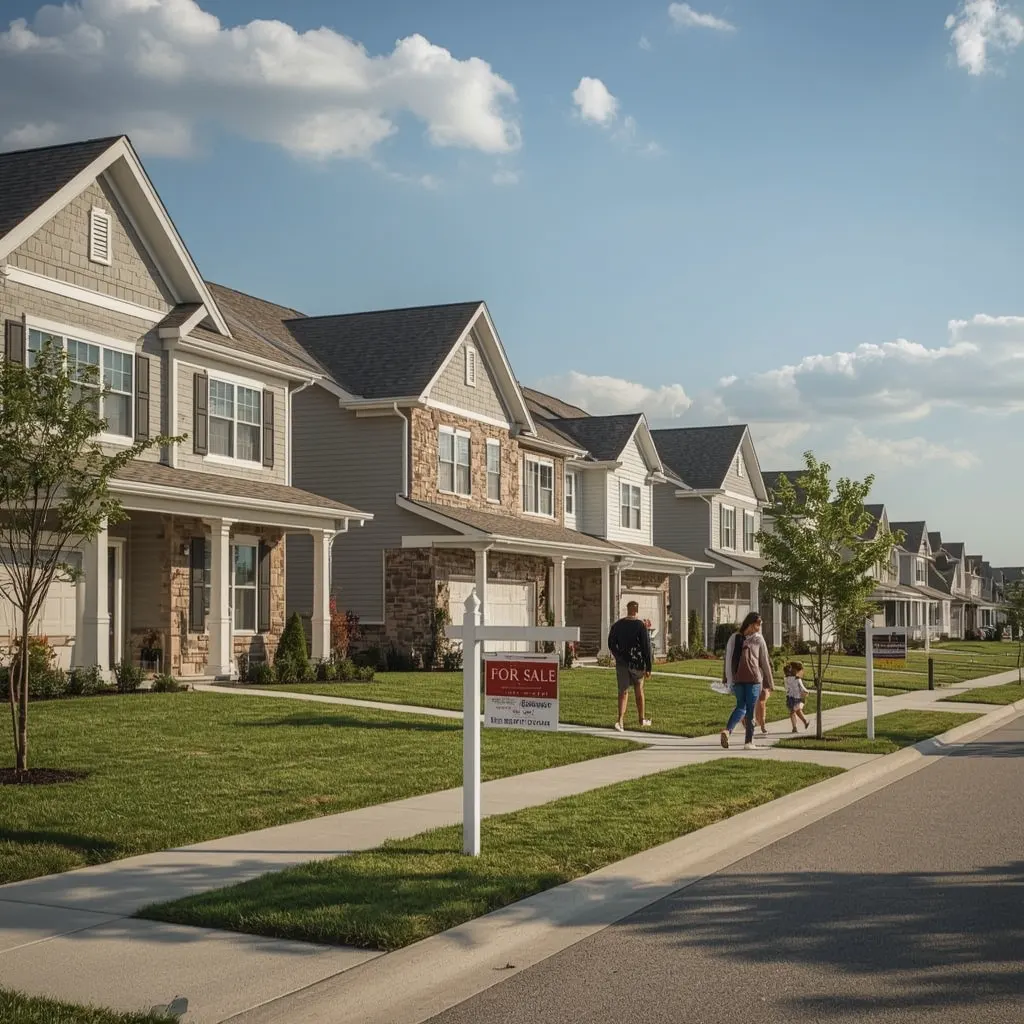

Naperville costs more than a typical American suburb, and housing is the reason. The median Naperville home sold for about $594,600 in the three months ending May 2026, as reported by Redfin, and Zillow put the typical Naperville home value at $636,281 as of June 30, 2026. Property tax then adds roughly 2.05% of value a year on the DuPage County side of the city and about 2.35% on the Will County side, per Ownwell analysis of county tax records pulled in August 2026. Groceries, utilities, healthcare, and commuting all sit close to national norms in the published cost-of-living indexes. If you can carry the house and the tax bill, the rest of the month is ordinary.
I’ve helped more than 1,500 families buy and sell homes in Naperville and the western suburbs, and the number one question I get from people considering a move is some version of: “What does it actually cost to live there?” Not just the home price, but the whole picture.
This guide answers that question honestly, section by section, so you can budget accurately and make a confident decision. If you’d like to talk through your specific situation, call or text me directly at 630.637.9009 or email Dan@Naperville.com.
Table of Contents
- Housing Market Overview
- Utilities and Monthly Expenses
- Transportation and Commuting Costs
- Groceries and Dining Out
- Healthcare Expenses
- Education Costs for Families
- Recreation and Entertainment
- Local Taxes: Property, Sales, and Income
- What This All Means for Your Budget
- Frequently Asked Questions
Housing Market Overview
Housing is the largest line in a Naperville budget, and it has held firm. The U.S. Census Bureau estimated the city population at 153,114 as of July 1, 2025. Demand from Chicago-area buyers has kept values steady: Redfin reported the median sale price essentially flat year over year, down 0.06%, for the three months ending May 2026, while Zillow’s smoothed home-value index was up 4.4% year over year as of June 30, 2026. Those two measure different things, which is exactly why you see different Naperville medians quoted around the web.
What is the median home price in Naperville right now? On closed sales, roughly $595,000 to $620,000: Redfin reported a median sale price of $594,644 for the three months ending May 2026 and $619,663 for April through June 2026. Zillow measures something different, a smoothed index of typical home value across all homes rather than a median of actual closings, and it puts the typical Naperville home at $636,281 with a median list price of $659,483 as of June 30, 2026. The U.S. Census Bureau figure is lower again, $540,200, because its 2020-2024 American Community Survey estimate is a five-year average of self-reported owner-occupied values rather than 2026 closings. Check which measure a quoted number uses before you compare it. Here is what the price bands actually reach:
Under $400,000: Condominiums, townhomes, and older single-family homes, many needing updates. Pebblewood, a condominium and townhome community in Indian Prairie District 204, is a concrete example: its listed range runs from the $165,000s to about $210,000, with a median near $176,000.
$400,000 to $600,000: Established single-family subdivisions, and the band that sits closest to the citywide median. Edgewood, built between 1986 and 1993 in Naperville District 203, lands here with a median around $522,000.
$600,000 and above: Larger and newer homes on bigger lots. Timber Creek in south Naperville, built 2003 to 2006 in District 204, carries a median around $736,000. Above $1 million you are into pockets like Kimball Mill near downtown, where the listed range runs from about $987,500 to $1.8 million. Browse Naperville neighborhoods to see where a specific address falls.
In my experience, buyers relocating from markets like California or the Northeast are often pleasantly surprised by what $550,000 buys in Naperville compared to comparable suburbs in those areas. When I’ve helped clients transferring from out of state, they frequently have more purchasing power here than they expected.
What drives prices? Supply is tight. Redfin put Naperville at 2.9 months of supply for April through June 2026, and the live absorption-rate tool at Homes By Marco read 1.3 months on August 3, 2026 using a different method and a different window. Both sit far under the four-to-five-month mark that usually signals a balanced market. Add direct Metra BNSF service to downtown Chicago, a walkable downtown, and the Riverwalk, and demand stays ahead of inventory.
One practical tip: Get pre-approved before you start touring. Naperville is not selling everything in a weekend, though. Redfin put median days on market at 43 for the three months ending May 2026 and 44 for April through June 2026, with its own commentary noting the fastest-moving listings go pending in roughly 30 days. Sale-to-list came in at 100.2% and 14.6% of listings took a price cut. Pricing correctly still matters more than pricing high.
Utilities and Monthly Expenses

Utilities are the second recurring line after the mortgage, and the one new arrivals most often underestimate. Illinois winters are long enough that heating is a genuine seasonal expense, and summer cooling is not free either. Published indexes put Naperville utilities essentially at the national line, with AreaVibes scoring them 98 and BestPlaces 96.2 against a baseline of 100, both pulled in August 2026. Here is how the bill usually splits.
Breaking Down Utility Costs
After housing, utilities are the next line item to budget. Most Naperville households land between $200 and $350 per month across the year, depending on home size and season. That range reflects local experience rather than a published survey, so treat it as a planning figure and price your own home. Here’s a realistic breakdown:
Electricity: $80 to $150 per month. Summer air conditioning and winter electric usage are the biggest variables.
Gas: $60 to $120 per month. Winter heating is the primary driver; Naperville winters are real, and you’ll want to account for several cold months.
Water: $40 to $80 per month, billed quarterly by the city.
Internet: $60 to $100 per month. Multiple providers serve the area.
In my experience, families moving from warmer climates consistently underestimate their first winter utility bill. Budget for it.
Beyond utilities, most Naperville homeowners should account for HOA fees if applicable. Fees range from roughly $100 to $350 per month depending on the community, with amenities like pools, fitness centers, and common area maintenance typically included.
Pro tip: Always check if your new place has energy-efficient appliances. They can save you some serious cash over time!
Monthly Expenses Beyond Utilities
Spoiler alert: Utilities aren’t the only monthly costs that might catch you off guard. In Naperville, you’ll want to budget for other essentials too.
- Groceries: see the grocery section below for a real basket and a family-of-four range.
- Transportation: Metra fare or gas, plus parking. The commuting section below breaks it down.
- Homeowners or renters insurance: priced on your specific home, coverage, and claims history, so get a real quote rather than a rule of thumb.
- Property tax: by far the largest of these in Naperville. Run your own address through the Naperville property tax calculator instead of applying a citywide percentage.
Key takeaway: When planning your budget, don’t just focus on housing consider all monthly expenses to get a true picture of the Naperville cost of living.
Now here’s where it gets interesting: many households conclude the higher monthly cost is worth it for what the city provides in return. That is a personal calculation, not a fact, and it belongs in your budget conversation rather than in a market statistic.

As you prepare for your move, keep these expenses in mind. They’re not just numbers; they’re part of what makes life here enjoyable. Planning ahead will help you avoid surprises down the road.
Transportation Costs and Commute Options
Naperville is a commuter city. Many residents work in downtown Chicago or the Route 88 tech corridor, and your transportation costs depend significantly on which way you travel.
Metra BNSF Line: Naperville has two Metra stops on the BNSF line, both with direct service to Union Station in downtown Chicago, and the ride runs roughly 40 to 55 minutes depending on whether you catch an express. Fares are set by fare zone and change from time to time, so price your specific station against Metra’s current fare table rather than an older published figure. Parking at the Naperville lots is a separate daily or permit cost on top of the fare.
Driving: If you commute by car, budget for gas, parking, and vehicle maintenance. Gas prices in the Naperville area generally track the Chicago metro average. If you’re commuting into downtown Chicago, parking fees alone can add $200 to $400 per month.
Local driving: For most daily errands, Naperville is walkable in the downtown core but car-dependent in the outer neighborhoods. Washington Street, Ogden Avenue (Route 34), and 95th Street are the primary arterials you’ll use regularly.
Total monthly transportation costs for a Naperville commuter typically range from $150 to $350, depending on whether you rely on Metra, drive, or combine both.
Public Transportation: The Metra Advantage
Riding the Metra is like being part of an exclusive club one where you can read a book or scroll through social media instead of battling rush hour traffic. With several stops in Naperville, including the downtown station, this option is both convenient and economical for those working in Chicago. Plus, monthly passes can save you some cash if you’re commuting regularly.
- One-way ticket: priced by fare zone, so check the current table for your station.
- Monthly pass: the break-even for most five-day-a-week commuters, also priced by zone.
- Station parking: a separate daily or permit cost on top of the fare, and worth budgeting for.
Driving: The Cost of Convenience
Driving buys flexibility the train cannot match, and it usually costs more than people budget. Gas in the Naperville area tracks the Chicago metro average and moves week to week, so use a current local price rather than a fixed figure. The larger variable is downtown parking: commuting into the Loop by car can run $200 to $400 a month in parking alone, which is often more than the fuel.
Pro tip: If you’re considering driving daily, look into carpooling options or remote work arrangements to save on gas and wear-and-tear.
Biking and Walking in Naperville
(Now here’s where it gets interesting) Naperville isn’t just a commuter hub; it’s also designed with families in mind. Many neighborhoods have schools and amenities within walking distance so if you’re lucky enough to live close enough to work or school, don’t overlook biking or walking as viable options. Not only do they save money but they also promote a healthier lifestyle!
Key takeaway: Factor in your commute when budgeting for the Naperville cost of living; whether via Metra or your own wheels, transportation costs can add up quickly!
(As you plan your move), consider how much time you’ll spend commuting versus enjoying life in Naperville. It might be worth it to choose a home closer to your workplace or school even if that means adjusting your budget slightly.
Grocery and Food Prices
Groceries are one of the parts of a Naperville budget that is close to ordinary. Independent cost-of-living indexes put the local grocery basket within a couple of points of the national average: AreaVibes scores Naperville groceries at 101 against a national baseline of 100, and BestPlaces reports 101.7 on the same scale, both pulled in August 2026. AreaVibes labels its own figures as modeled estimates rather than collected receipts, and BestPlaces does not publish a clear vintage for its sub-indexes, so read both as roughly national rather than as a precise premium.
Those same indexes disagree sharply about Naperville overall, and the disagreement is almost entirely housing. BestPlaces puts the citywide index at 108.1 with housing at 148.5. AreaVibes puts the overall index at 133 with housing at 209, while its groceries, healthcare, transportation, and utilities sub-indexes all land between 98 and 101. AreaVibes labels its own figures as AI-assisted modeled pricing rather than collected survey data, which is part of why the two indexes sit about 25 points apart on the same scale. Whichever index you prefer, the conclusion is the same: Naperville is expensive because of what it costs to own a home here, not because of what it costs to fill a cart.
Typical Grocery Costs
Here’s a breakdown of what you might expect to spend on some common grocery items in Naperville:
| Item | Average Cost |
|---|---|
| Loaf of Bread | $3.50 to $5.00 |
| Dozen Eggs | $3.50 to $5.50 |
| Gallon of Milk | $3.50 to $5.00 |
| Chicken Breast (1 lb) | $5.00 to $8.00 |
| Apples (1 lb) | $2.00 to $3.50 |
Pro tip: Buy seasonal produce at local farmers’ markets for fresher options and better prices!
For a family of four, budget $800 to $1,200 per month for groceries depending on diet and where you shop. That is a local planning figure from experience rather than a published survey; the index data above is the sourced part. The Naperville Farmers Market, open May through October on the Riverwalk, is a seasonal source for produce at competitive prices.
Dining Out: A Taste of Naperville
(Now here’s where it gets interesting) Dining out in Naperville can be just as eye-opening as grocery shopping. Whether you’re grabbing a quick bite at Portillo’s or enjoying a sit-down meal at Hugo’s Frog Bar, your dining experience will reflect the local cost of living.
- Casual and fast-casual is the everyday tier, and downtown Naperville has plenty of it.
- Mid-range sit-down is the weekend tier, and where most household dining budgets actually go.
- Upscale is a real category here, which is why a Naperville restaurant budget can drift past what a national average suggests.
(And let’s be honest) If you’re planning on enjoying all that Naperville has to offer from its delightful cafes to its bustling food scene budgeting for meals out is just as crucial as planning for groceries.
Key takeaway: The Naperville cost of living includes not just housing and utilities but also food expenses that can add up quickly!
(As you prepare for your move), keep these grocery and dining costs in mind. They’re an essential part of your overall budget and will help you create a realistic picture of what living in this vibrant community looks like.
Healthcare Expenses and Accessibility
Healthcare is not a Naperville-specific expense. Cost-of-living indexes put it essentially at the national line, with AreaVibes scoring local healthcare at 99 against a baseline of 100. What you actually pay is set by your plan, your household size, and your own use, not by the zip code, so any Naperville-specific premium figure would be misleading. Price your real plan.
What is genuinely local is access, and Naperville is well served on that front. The specifics are below.
Local Healthcare Providers
Edward Hospital in Naperville is now part of Endeavor Health, and Duly Health and Care, the large multi-specialty group formerly known as DuPage Medical Group, operates offices in and around the city. Between them you have urgent care, primary care, and most specialties within a short drive. What any of it costs still depends on your plan network and deductible, so confirm coverage before you book.
Important note: Always check if your insurance is accepted by local providers before making appointments!
Insurance Options
(Here’s the kicker) Navigating health insurance can be as complicated as assembling IKEA furniture without instructions. Many residents opt for employer-sponsored plans, which typically offer better coverage at a lower cost compared to individual plans. If you’re self-employed or working for a small business, consider exploring options through the Health Insurance Marketplace.
- Employer plan: your premium is whatever your employer charges, and it does not change because you moved to Naperville.
- Marketplace plan: priced by age, household size, income, and where you live, so get a real quote for your address before you budget.
- Out of pocket: deductibles, co-pays, and prescriptions usually move a household budget more than the premium line does.
Budgeting for Out-of-Pocket Care
(Let’s be honest) No one likes dealing with medical bills; however, understanding your potential healthcare expenses can help you budget more effectively. For instance, families with children may want to account for additional costs related to pediatric care or immunizations.
(Key takeaway): While healthcare costs in Naperville can be significant, planning ahead and understanding your options can help mitigate financial stress.
(As you prepare for your move), take some time to research local healthcare providers and compare insurance options. It’s not just about finding the right house; it’s about ensuring that you have access to quality care when you need it most!
Education Costs for Families
Public K-12 tuition in Naperville is $0, because you already paid it in the property tax bill. That is the honest framing. Schools are funded through property taxes, and the overlapping taxing bodies behind that bill, including school districts, county, township, park district, and library, make up most of what a homeowner actually pays. The education costs families budget for on top of that are the extras.
Public vs. Private Schooling Costs
- Private school tuition varies widely; some elite institutions can be as pricey as a luxury car.
- Extracurricular activities in both settings think sports teams and music lessons that keep your kids busy and your bank account light.
- Public school costs (mostly funded by taxes, but don’t forget about those supply lists and field trip fees!)
Pro tip: If you’re leaning towards private schools, check for scholarships or financial aid options they might just save you a few bucks!
Hidden Costs of Education
(Now here’s where it gets interesting) It’s not just tuition that can catch you off guard. When budgeting for education in Naperville, consider these sneaky expenses that can add up faster than a kid’s growth spurt:
- Back-to-school supplies (you’d think they were buying gold-plated pencils with how much they cost!)
- School lunches (because let’s face it, packing lunch every day is a full-time job)
- Sports fees (from soccer to swimming; if your kid’s not active in something, are they even a kid?)
Key takeaway: Education costs in Naperville are multifaceted; don’t forget to factor in all the extras when planning your budget.
Whether the extras are worth it is a household decision, not something a cost guide should decide for you. What this page can tell you is that the public-school portion of the cost is already inside the property tax line above, so budget the extras separately rather than double-counting them.
School Fundraising and PTO Costs
(Here’s the kicker) Community involvement is also a big deal here. Schools often rely on parent-teacher organizations (PTOs) to fund special projects and events. This means if you’re moving to Naperville with kids, be prepared to roll up your sleeves and join the fun whether it’s volunteering at events or chipping in for bake sales!

As you prepare for your move to this vibrant suburb, keep education costs front and center. It’s not just about what you pay; it’s about what those dollars bring back into your family’s life in terms of opportunities and experiences.
Recreational Activities and Entertainment Pricing
Recreation is where Naperville gives some of the tax money back. The Naperville Park District maintains the public parkland and runs the programs most households actually use, and the Alfred Rubin Riverwalk Community Center downtown adds programming and rentable space on top of that. Open park access, the Riverwalk itself, and most community events cost nothing, which is a real offset against the housing and tax lines above.
What does cost money is organized activity: youth sports leagues, summer camps, pool and beach passes, and ticketed performances. Those are priced per program and per season by the Park District and by each venue, and they vary enough by age and by sport that a single household number would be made up. Price the specific programs your family would sign up for.
Parks and Outdoor Fun
Start with the parks, because they are free. The Park District maintains public parkland across the city and open access costs nothing beyond the taxes you already pay. Organized programming is where money goes: youth soccer and other leagues, swim classes, and admission to facilities like Centennial Beach are each priced separately.
- Youth sports leagues are priced per season and per sport, and most families run more than one at a time.
- Summer camps are priced by week and by program, so a full summer is a line item to plan for, not an afterthought.
- Pool and beach access is sold as daily admission or a season pass; the season pass usually wins if you go more than a handful of times.
Cultural Experiences
(Now here’s where it gets interesting) Naperville’s cultural scene is rich and diverse. From art festivals to live music events at the Riverwalk Pavilion, there’s always something happening. While many events are free or low-cost, premium experiences can come with ticket prices that make your eyes water.
- Free: Riverwalk events, outdoor concerts, and most community festivals.
- Ticketed: theater and performing-arts programming, priced per show by the venue.
- Paid entry: some seasonal festivals charge admission, so check each event.
Important note: build a recreation line into your monthly budget rather than treating it as an occasional extra. In a city with this much programming, it is a recurring cost, not a surprise.
Dining Out as a Budget Line
(And let’s be honest) Dining out in Naperville isn’t just about satisfying hunger; it’s part of the lifestyle! Whether you’re grabbing brunch at Egg Harbor Cafe or enjoying dinner at Lou Malnati’s Pizzeria, meal prices reflect the local cost of living and can certainly add up over time.
Impact of Local Taxes on Overall Cost of Living
Property tax is one of the largest recurring housing costs in Naperville, and there is no single citywide rate. Naperville straddles two counties and they are not the same bill. On the DuPage County side, which covers most of the city, the median effective rate is about 2.05%. On the Will County side, roughly the southern portion of the city, it is about 2.35%. Both come from Ownwell analysis of actual county tax records, pulled August 2026. For scale, the Illinois statewide median is 2.33%, per National Association of Home Builders 2024 data, and the national median effective rate is about 1.02%, per Ownwell analysis of county tax records pulled in August 2026.
Do not average the two. A blended figure near 2.2% is not the median on either side of the city: it runs high against the DuPage median and low against the Will median. The county-level medians make the gap concrete: on the DuPage side, a median annual bill of $9,065 against a median home value of $443,310; on the Will side, $12,734 against $544,293. Those dollar medians and the headline rates come from the same source but are aggregated differently, so dividing one by the other lands about a hundredth of a percentage point away from 2.05% and 2.35% rather than exactly on them.
Understanding Local Tax Structures
Three taxes shape a Naperville budget: property, sales, and state income. Property tax is the one tied to the specific property you buy, which is why it gets the most space on this page. Sales tax is charged at the register on retail purchases, and the combined rate is built from overlapping state, regional transit, county, and municipal shares rather than one flat citywide number, so check the current rate for a specific address with the Illinois Department of Revenue or the City rather than trusting a figure quoted in an article. Illinois state income tax is a flat rate that does not vary by municipality, so moving between Naperville and any other Illinois town does not change it.
(And here’s where it gets interesting) Many families overlook how these local taxes can impact their overall cost of living. For instance, if you’re coming from a state with lower property tax rates, you might feel the pinch when moving to Naperville. The key is to do your homework and understand how these costs stack up against what you’re used to.
The Bigger Picture: Community Services and Quality of Life
(Now let’s talk about the silver lining) Higher local taxes often mean better community services think well-maintained parks, top-notch schools, and robust public safety systems. In Naperville, these factors contribute significantly to the overall quality of life and can make those extra dollars feel worth it.
- Property tax: about 2.05% of value a year on the DuPage side, about 2.35% on the Will side (Ownwell, August 2026).
- Sales tax: charged at the register, and set by overlapping state, regional, county, and city shares rather than a single citywide figure. Confirm the current rate for a specific address with the Illinois Department of Revenue or the City before you budget around it.
- State income tax: a flat Illinois rate, identical in every Illinois municipality.
(Key takeaway): When considering the Naperville cost of living, don’t just focus on housing prices; factor in local taxes as they significantly impact your budget.
(As you plan your move), remember that understanding local taxation isn’t just about crunching numbers it’s about grasping how those funds support community infrastructure and services that enhance daily life.
A worked example
Take a home at $594,644, the median Naperville sale price Redfin reported for the three months ending May 2026. On the DuPage County side at a 2.05% effective rate that is roughly $12,190 a year in property tax. On the Will County side at 2.35% the same price runs roughly $13,974. Both are estimates. Your actual bill depends on your assessed value, your exemptions, and the specific taxing bodies your parcel sits in, so run your own address through the Naperville property tax calculator rather than a citywide average.
What This All Means for Your Budget
Naperville is expensive in one way and ordinary in most of the others. Housing and property tax are where the premium lives. Groceries, utilities, healthcare, and transportation all sit within a few points of national norms in the published indexes. If your household can carry a home in the $595,000 to $620,000 range Naperville homes are actually closing at, plus a tax bill in the 2.05% to 2.35% range, the rest of the month looks a lot like anywhere else in the Midwest.
On the income side, the U.S. Census Bureau puts Naperville median household income at $155,105 in 2024 dollars, with per-capita income of $73,721 and 4.4% of residents below the poverty line, from the 2020-2024 American Community Survey. Those are five-year averages rather than a 2026 snapshot, but they explain how the local market clears at the prices it does.
If you are moving in, price the tax line for the specific parcel you are considering rather than applying a citywide percentage, and read current conditions in the Naperville real estate market before you set a budget.
If you are moving out, the same numbers run in reverse, and for most sellers the equity in the current house is what funds the next move. Start with how a home valuation works in Naperville, then look at what it costs to sell a home in Naperville, because most of those costs come out of your proceeds and change what you can afford next.
The full Naperville seller guide routes you to the situation that fits, whether that is downsizing in Naperville or relocating from Naperville for work.
Frequently Asked Questions About the Cost of Living in Naperville
Is Naperville expensive to live in?
Yes, and almost entirely because of housing. Published cost-of-living indexes disagree on the size of the gap, with BestPlaces scoring Naperville at 108.1 and AreaVibes at 133 against a national baseline of 100, both pulled in August 2026. AreaVibes labels its own index as AI-assisted modeled pricing rather than collected survey data, so read the 133 as an estimate. They agree on the cause: AreaVibes puts local housing at 209 while groceries, healthcare, transportation, and utilities all score between 98 and 101. Housing and property tax carry the premium, and the rest of a Naperville budget is close to national norms.
What is the median home price in Naperville in 2026?
On closed sales, roughly $595,000 to $620,000. Redfin reported a median sale price of $594,644 for the three months ending May 2026 and $619,663 for April through June 2026. Zillow measures something different, a smoothed index of typical home value across all homes rather than a median of actual closings, and it put the typical Naperville home at $636,281 with a median list price of $659,483 as of June 30, 2026. Check which measure a quoted number uses before you compare it.
What is the property tax rate in Naperville?
There is no single rate, because Naperville sits in two counties. The median effective rate is about 2.05% on the DuPage County side, which covers most of the city, and about 2.35% on the Will County side. Both figures come from Ownwell analysis of county tax records pulled in August 2026. The Illinois statewide median is 2.33%, per National Association of Home Builders 2024 data, and the national median effective rate is about 1.02%, per Ownwell analysis of county tax records pulled in August 2026. Do not average the two Naperville figures. A blended rate near 2.2% is not the median on either side of the city.
What do utilities cost in Naperville?
Close to the national average. Published indexes put Naperville utilities essentially at the national line, with AreaVibes scoring them 98 and BestPlaces 96.2 against a baseline of 100. AreaVibes labels its own figures as modeled estimates rather than collected bills. Electricity and winter heating drive most of the seasonal swing, water is billed by the city, and a homeowner association fee sits on top of that in managed communities. The utilities section above gives a household planning range, but it comes from local experience rather than a published survey, so price your own home.
Is Naperville in DuPage County or Will County?
Both, and the county line matters for your budget. Most of Naperville sits in DuPage County and the southern portion sits in Will County. Ownwell puts the median effective property tax rate at about 2.05% on the DuPage side and about 2.35% on the Will side, from county tax records pulled in August 2026. On a home near the citywide median that gap is worth roughly $1,800 a year, so confirm which county a specific address falls in before you set a housing budget.
How much do you need to earn to live in Naperville?
There is no official threshold, but the local benchmark is high. The U.S. Census Bureau puts median household income in Naperville at $155,105 in 2024 dollars, from the 2020 to 2024 American Community Survey, with per-capita income of $73,721. That is the income level the local housing market is priced against. Your own number depends on your down payment, your rate, and whether your address falls on the DuPage or the Will County side of the property tax line.
Why do different websites report different Naperville home prices?
Because they measure different things. Redfin reports a median closed sale price over a trailing three-month window. Zillow publishes a smoothed index of typical home value across all homes, sold or not. The U.S. Census Bureau reports a five-year average of self-reported owner-occupied values, which is why its $540,200 figure for Naperville runs well below 2026 closings. They are answering different questions rather than disagreeing, so always check the source and the date attached to any number you are quoted.
How much does it cost to sell a home in Naperville?
There is no single number, because agent commission is always negotiable and never set by law, and prep and closing costs differ from one sale to the next. What you can plan for is the structure. Commission, closing costs, and transfer stamps are deducted from your proceeds at closing, while prep and repair work is usually paid out of pocket before that. In Illinois the seller customarily pays the state stamp of $0.50 per $500 of value and the county stamp of $0.25 per $500. The City of Naperville municipal stamp of $1.50 per $500 is paid by the buyer under city ordinance, so it does not reduce your net.
Looking to Buy or Sell in Naperville?

Have questions about buying or selling real estate in Naperville? Get in touch with Dan Firks today.
Contact Dan Firks
Recent Post
Oct. 09, 2026
Buying a Home in Unincorporated Naperville: Outside the City Limits

Oct. 08, 2026
First Time Home Buyer Programs in Naperville: IHDA, Limits and Steps
Oct. 07, 2026
Ranch Homes in Naperville: How to Search, Verify and Inspect

Oct. 07, 2026
Naperville Halloween and Fall Events 2026: Things to Do Oct 10 to Nov 5
Oct. 06, 2026
Building a Custom Home in Naperville: Lots, Teardowns, Costs, Builders
Explore Naperville
Naperville is a vibrant community offering something for everyone. From highly rated schools and welcoming neighborhoods to local dining, seasonal events, and everyday conveniences, the city blends suburban comfort with an active lifestyle. Whether you’re researching the area, planning a visit, or considering a move, explore the sections below to learn more about what makes Naperville a great place to live, work, and enjoy.
Explore Naperville