
Overview of Sensory Garden Playgrounds
Imagine a playground where the swings aren’t just for swinging and the slides aren’t just for sliding. Sensory garden playgrounds are transforming the way kids interact with play spaces, especially for those who thrive on sensory experiences. In fact, research shows that sensory-rich environments can significantly enhance cognitive and emotional development in children.
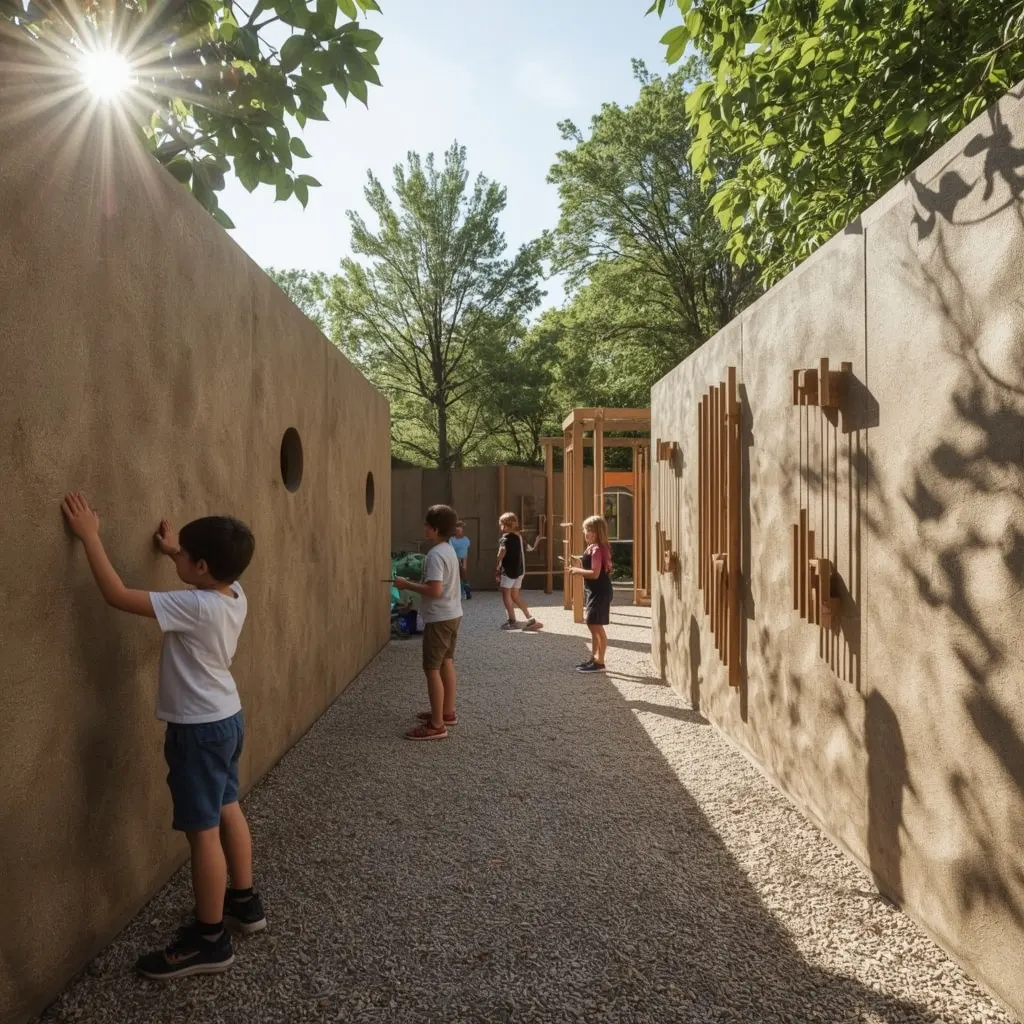
These unique playgrounds integrate various elements designed to stimulate all five senses: sight, sound, touch, taste, and smell. From fragrant flowers to textured paths and musical instruments scattered throughout the area, sensory garden playgrounds invite children to explore their surroundings in a way that traditional playgrounds simply can’t match.
Why Sensory Garden Playgrounds Matter
For many children—especially those with autism or sensory processing disorders—typical play environments can be overwhelming. Bright colors, loud noises, and chaotic movement often lead to overstimulation. That’s where sensory gardens come into play (pun intended!). They provide a calming yet engaging atmosphere that encourages exploration without the usual stressors.
Sensory garden playgrounds promote inclusivity by catering to diverse sensory needs.
Elements of a Sensory Garden Playground
- Textured paths made of different materials like rubber or sand
- Interactive water features that allow splashing and playing
- Musical installations such as xylophones or drums
- Plants chosen for their scents and colors to engage smell and sight
- Quiet zones with seating where children can take breaks
But wait, you might say. ‘Aren’t these just regular parks with some flowers?’ Not quite! The thoughtful design of these spaces ensures that every element serves a purpose in enhancing sensory development. For example, a simple swing set might be paired with calming wind chimes nearby, creating an auditory experience that soothes as it entertains.
Sensory garden playgrounds are not just fun; they are essential for fostering developmental growth in children.
In Naperville, we’re lucky enough to have access to some fantastic sensory garden playgrounds that cater specifically to our community’s families. These spaces not only offer fun but also create an environment where every child can feel included and engaged.
So next time you’re looking for a place to let your kids run wild while also nurturing their development, consider checking out one of our local sensory garden playgrounds. It’s all about creating joyful experiences while respecting each child’s unique needs.
Key Locations of Sensory Garden Playgrounds in Naperville
Did you know that Naperville boasts not one, but several sensory garden playgrounds designed to cater to every child’s unique needs? These spaces are more than just playgrounds; they’re havens for exploration, learning, and play. Let’s take a closer look at some of the standout locations where your little ones can dive into a world of sensory experiences.
Whalon Lake Park
Nestled in the heart of Naperville, Whalon Lake Park is a gem for families seeking sensory-rich environments. The park features an expansive sensory garden area with textured pathways that encourage tactile exploration. Kids can wander through fragrant flower beds while listening to the gentle sounds of nature. Plus, there’s an interactive water feature that’s perfect for splashing around on hot days!
Naperville Riverwalk
The iconic Naperville Riverwalk isn’t just about scenic views; it also hosts several sensory-friendly spots. Children can engage with musical installations along the path, inviting them to create their own tunes as they stroll. With its calming water features and shaded seating areas, it’s an ideal place for kids to unwind while soaking in the sights and sounds of the river.
Knoch Knolls Nature Center
Nature is the name of the game at Knoch Knolls Nature Center. This location provides an immersive sensory experience with its natural landscapes and wildlife observation areas. The center includes interactive exhibits designed to engage all five senses, from textured displays to aromatic plants that invite curious noses. It’s a perfect spot for a family outing where education meets fun!
- Whalon Lake Park: Textured paths and interactive water features.
- Naperville Riverwalk: Musical installations and scenic views.
- Knoch Knolls Nature Center: Interactive nature exhibits.
Each location offers unique opportunities for children to explore their senses while having fun!
Exploring these sensory garden playgrounds helps children develop critical skills while enjoying playtime.
In addition to these parks, keep an eye out for seasonal events like outdoor concerts or festivals held at these locations. They often incorporate sensory-friendly activities, making them even more inclusive.
‘So next time you’re looking for a weekend adventure or a place where your kids can thrive without feeling overwhelmed by traditional playground chaos, check out these key locations in Naperville. Each one offers not only fun but also valuable opportunities for growth and connection.’
Design Principles Behind Sensory Spaces
A well-designed sensory garden playground isn’t just a patch of grass with a few swings tossed in. It’s a carefully orchestrated symphony of sights, sounds, and textures, all aimed at creating an inclusive environment where every child can thrive. Did you know that environments designed with sensory principles can reduce anxiety and promote emotional well-being? It’s true! The right design can actually transform how children interact with their surroundings.
The Core Principles of Sensory Design
Creating a sensory garden playground involves several crucial design principles that cater specifically to diverse sensory needs. These include:
- Variety of Textures: Incorporating different surfaces like rubber, sand, and grass invites tactile exploration.
- Soundscapes: Integrating natural sounds (like water features) alongside musical instruments allows for auditory engagement.
- Visual Stimuli: Using vibrant colors and varied plant life enhances visual interest while also being calming.
- Quiet Zones: Designated areas for relaxation help children recharge when overwhelmed by stimulation.
Imagine a child stepping into a sensory garden playground. They’re greeted not only by the bright colors of blooming flowers but also the gentle rustling of leaves in the breeze. The path beneath their feet changes from soft grass to textured rubber, stimulating their sense of touch as they explore. This thoughtful layering of experiences is what sets these spaces apart from conventional parks.
Engaging All Five Senses
Sensory overload is a term often thrown around in discussions about children’s play environments, especially for those with sensory processing challenges. A sensory garden playground aims to strike the perfect balance between stimulation and calmness by engaging all five senses without overwhelming them.
- Sight: Bright flowers and colorful art installations catch the eye.
- Sound: Wind chimes or musical panels provide soothing melodies.
- Touch: Different surfaces encourage exploration through tactile feedback.
- Smell: Aromatic plants create an inviting atmosphere.
- Taste: Edible plants or herbs add an interactive element.
The goal is to create an environment where children feel safe to explore and express themselves.
Research shows that children who engage in sensory-rich environments exhibit improved cognitive development and emotional regulation.
Designing these spaces requires collaboration among landscape architects, educators, therapists, and families to ensure that every aspect meets the needs of its users. For instance, when designing Whalon Lake Park’s sensory area, input from local families helped shape features like quiet zones for breaks amid bustling activities.
As we look towards enhancing Naperville’s community spaces further, prioritizing these design principles will ensure our playgrounds remain inclusive havens where every child’s unique needs are met. Next time you’re exploring options for your little ones’ playtime adventures, keep these design elements in mind—they’re not just fluff; they’re essential!
Programming and Activities at Sensory Gardens

Sensory gardens in Naperville host programs and activities that encourage exploration, relaxation, and hands on learning.
Did you know that engaging in structured activities at sensory garden playgrounds can enhance a child’s sensory processing skills by up to 60%? That’s right! These thoughtfully designed spaces go beyond mere play, offering a range of programs that cater to various needs and abilities.
In Naperville, the programming at sensory gardens is as vibrant as the flowers blooming around them. From guided nature walks to interactive art sessions, these activities are crafted to foster creativity while addressing sensory challenges. Imagine your child participating in a tactile art class where they can mold clay or paint with their hands—what better way to explore textures and colors?
Structured Activities for All Ages
The beauty of sensory gardens lies in their ability to accommodate children of all ages and abilities. Programs often include age-appropriate activities like scavenger hunts for younger kids, where they can find various textured leaves or aromatic herbs. For older children, there might be workshops on creating nature-inspired crafts or even cooking classes using edible plants from the garden.
- Nature-themed scavenger hunts that encourage exploration.
- Tactile art classes focusing on different materials.
- Gardening workshops teaching kids how to grow their own plants.
- Mindfulness sessions incorporating gentle movement and nature sounds.
Engaging in these activities not only nurtures creativity but also helps children build confidence in their sensory experiences.
Sensory Saturdays – A Community Favorite
Sensory Saturdays have become a beloved tradition in our local sensory gardens. These monthly events are designed specifically for families looking for a low-stress environment where children can freely explore without the hustle and bustle of everyday life. Each Saturday features a different theme—think Water Play Day or Sound Exploration Day—complete with activities tailored to those themes.
Sensory Saturdays provide an opportunity not just for play, but also for community connection. Families bond over shared experiences while kids engage in activities that promote social interaction and cooperative play. It’s heartwarming to see friendships blossom amid the fragrant flowers and musical installations!
Participating in community events like Sensory Saturdays fosters social skills while providing an inclusive atmosphere.
Quiet Times – A Calming Retreat
Quiet Times are designated periods within the sensory garden where families can enjoy a more subdued environment. During these times, certain areas are set aside for relaxation, featuring calming visuals and sounds designed to help children decompress. Think of it as a mini retreat amid all the excitement!
These moments allow children who may feel overwhelmed by too much stimulation to recharge their batteries before diving back into play. It’s essential for maintaining balance between active exploration and restful reflection.
Quiet Times ensure every child has space to process their experiences without feeling rushed.
Next time you visit one of Naperville’s sensory garden playgrounds, take note of the variety of programming available! From interactive workshops to community events, there’s something for everyone—ensuring that each visit is not just about play but about growth, learning, and connection.
Community Impact and Inclusivity
Did you know that nearly 1 in 6 children in the U.S. experience developmental disabilities? That’s a staggering figure, and it emphasizes just how vital inclusive spaces like sensory garden playgrounds are in our communities. These playgrounds aren’t just whimsical additions to parks; they serve as essential environments where all children can thrive, regardless of their sensory needs.
In Naperville, the creation of sensory garden playgrounds has sparked a movement towards inclusivity that resonates well beyond the swings and slides. Imagine a neighborhood where every child feels welcome—where kids with autism or sensory processing challenges can engage without anxiety. This is not just a dream; it’s an achievable reality thanks to these thoughtfully designed spaces.
Breaking Down Barriers
Traditional playgrounds often pose challenges for children with sensory sensitivities. Bright colors, loud noises, and chaotic play can create overwhelming experiences that lead to frustration or withdrawal. Sensory garden playgrounds flip this script by incorporating elements that cater to diverse sensory needs. From soft paths made of rubber to quiet zones filled with calming visuals, these spaces are crafted with intention.
Take Whalon Lake Park as an example: its textured pathways invite tactile exploration while interactive water features provide soothing sounds that help ground children who might otherwise feel lost in a sea of stimuli. By designing these playgrounds with inclusivity at their core, Naperville is actively dismantling barriers that have historically sidelined many children from enjoying outdoor play.
Fostering Community Connections
It takes a village isn’t just a saying; it’s a philosophy behind community-driven initiatives like our local sensory gardens. These spaces encourage families from diverse backgrounds to come together, share experiences, and foster relationships through play. Events like Sensory Saturdays transform these parks into vibrant hubs of connection where parents can meet others facing similar challenges while their kids engage joyfully in activities tailored for them.
- Sensory Saturdays allow families to bond over shared experiences.
- Quiet Times offer spaces for relaxation amidst stimulation.
- Interactive workshops help kids develop skills while having fun.
The impact of these connections extends beyond the playground; they build community resilience and understanding.
‘Communities benefit greatly when inclusive spaces are prioritized—these gardens not only support our children’s development but also strengthen social ties among families.’
‘Inclusivity in design is not merely about accessibility; it’s about creating environments where every child feels valued and empowered to explore their world.’ As we advocate for more sensory-friendly spaces across Naperville, it’s essential to remember that each garden represents hope—a commitment to nurturing every child’s potential.
Sustainability Practices in Sensory Design
The buzz around sustainability isn’t just for eco-warriors; it’s also a game changer for sensory garden playgrounds. Did you know that a well-planned sensory garden can reduce water usage by up to 50% compared to traditional parks? That’s right! By integrating sustainable practices, we can create spaces that are not only inclusive but also environmentally friendly.
Eco-Friendly Materials and Design
When it comes to building these magical sensory spaces, using sustainable materials is key. Think recycled rubber for soft paths or reclaimed wood for play structures. These materials not only minimize waste but also provide unique textures that engage children’s senses. For instance, a climbing structure made from repurposed wood offers both tactile stimulation and a story behind its creation—talk about multi-sensory learning!
Water Management Strategies
Water features are often the crown jewels of sensory gardens, providing soothing sounds and interactive play. However, they can also guzzle water like there’s no tomorrow. By incorporating rain gardens and permeable paving, we can manage stormwater efficiently while keeping those splash pads running smoothly. This not only conserves water but also creates habitats for local wildlife—because who doesn’t love a frog chorus during playtime?
Plant Selection for Biodiversity
Planting native species is like inviting the neighborhood over for a party! Native plants are adapted to local climates and require less maintenance, which means fewer chemicals and less water. They attract local pollinators like bees and butterflies—perfect for teaching kids about ecosystems while they frolic among the flowers. Imagine your child discovering how a honeybee makes its home while playing in a garden full of colorful blooms!
Sustainable sensory gardens teach children about nature while providing them with enriching experiences.
A well-designed sensory garden playground can cut water usage by up to 50% compared to traditional parks.
So what’s the takeaway here? Building sensory garden playgrounds with sustainability in mind is not just good practice; it’s essential for nurturing both our children and our planet. As Naperville continues to grow, let’s ensure our community spaces reflect our commitment to inclusivity and environmental stewardship.
Future Trends in Sensory Playground Development
By 2025, it’s estimated that over 20% of playgrounds will incorporate sensory-focused design elements. This isn’t just a trend; it’s a movement towards creating inclusive spaces that cater to the diverse needs of children in our communities.
Think about it: as families become more aware of sensory processing issues and developmental disabilities, the demand for sensory garden playgrounds is skyrocketing. Parents are no longer content with standard swings and slides; they want environments where their children can thrive without feeling overwhelmed.
Innovative Design Elements
The future of sensory playgrounds lies in innovative design elements that push the boundaries of traditional play areas. Imagine interactive installations powered by technology—like augmented reality features that allow children to engage with their surroundings in entirely new ways. For instance, kids could use tablets to unlock virtual experiences tied to real-world plants or structures within the garden!
Additionally, the integration of natural materials will continue to rise. Think climbing structures made from sustainable wood, textured pathways created from recycled materials, and water features designed to mimic natural streams—all aimed at enhancing tactile exploration while being environmentally conscious.
Community Involvement in Design
Nothing about us without us is becoming a rallying cry for communities advocating for sensory spaces. Future developments will increasingly involve parents, caregivers, and even children in the design process. This participatory approach ensures that the playgrounds truly reflect the needs and desires of those who will use them.
User-centered design is not just a buzzword; it’s essential for creating effective sensory environments.
Smart Sensory Playgrounds
Smart technology is making its way into playgrounds too! Imagine sensors that can detect when a child is feeling overwhelmed and adjust elements like lighting or sound levels accordingly. These advancements could help create a more personalized play experience tailored to each child’s unique sensory needs.
‘Smart technology enhances inclusivity by adapting environments in real-time based on children’s responses.’
Sensory-friendly zones are also likely to become standard features. These areas would provide quiet spaces where children can retreat if they need a break from stimulation—think cozy nooks with calming visuals and soft sounds.
As we look ahead, consider how these trends can shape Naperville’s community spaces. Advocating for these advancements not only enriches our children’s play experiences but also strengthens our community bonds. So next time you’re at the park or planning your own backyard project, think about how you can integrate these forward-thinking ideas into your environment!
Featured Articles


Recent Post
Sep. 19, 2026
Watch: Is Naperville a Good Place to Live? Dan Firks on the 2026 #1 Ranking

Sep. 18, 2026
Naperville Luxury Home for Sale: 23W735 Hobson Road, a 2.65-Acre Estate with Indoor Pool and Tennis Courts

Sep. 18, 2026
Watch: Naperville Luxury Estate Tour, 2.65 Acres with Indoor Pool and Tennis Courts
Sep. 14, 2026
9 Pumpkin Patches Near Naperville to Visit This Fall
Aug. 31, 2026
DuPage Children’s Museum Hours, Parking, and What to Bring
Explore Naperville
Naperville is a vibrant community offering something for everyone. From highly rated schools and welcoming neighborhoods to local dining, seasonal events, and everyday conveniences, the city blends suburban comfort with an active lifestyle. Whether you’re researching the area, planning a visit, or considering a move, explore the sections below to learn more about what makes Naperville a great place to live, work, and enjoy.
Explore Naperville