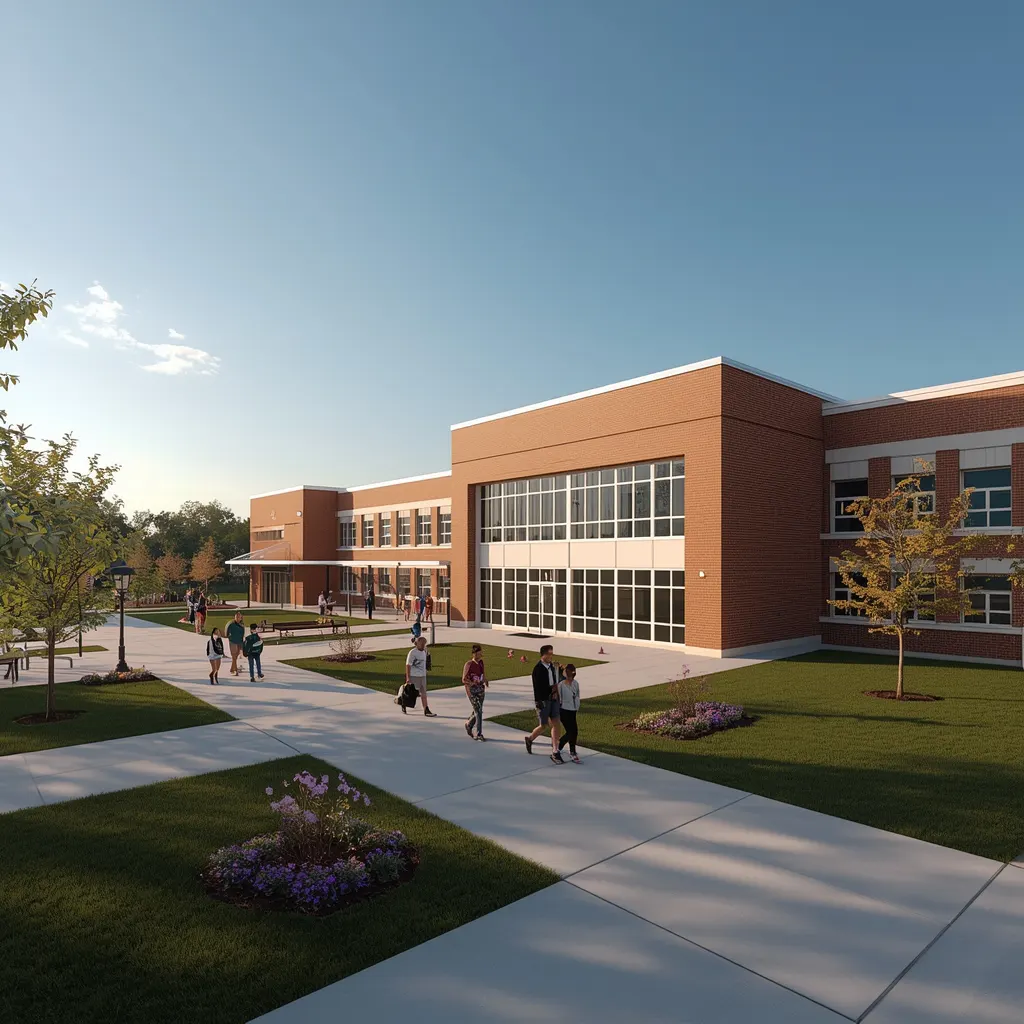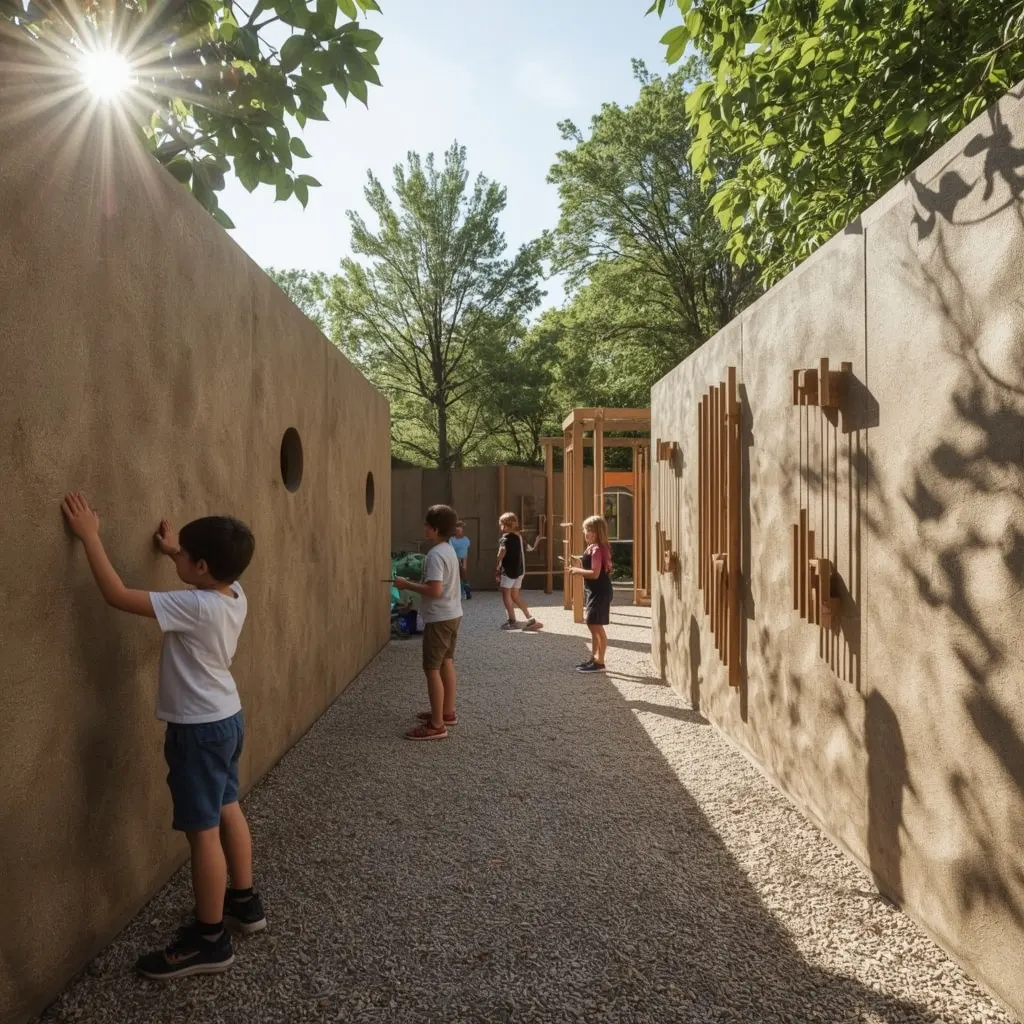

In this Living in Naperville episode, host Dan Firks sits down with Orion STEM Schools founder Selvei Rajkumar, curriculum designer Heather Kostov, and director of admissions Kimberly Hernandez. They talk through what inspired Orion, why Naperville and Warrenville, the school’s core values and advisory team, why emotional intelligence matters as much as IQ, and how Problem-Based Experiential Learning and the 360° Learning Assessment work in practice.
Read the full local highlight on Orion STEM Schools →
Video Transcript
Dan Firks: What if school wasn’t just about learning the facts? What if it was about starting a foundation, a launchpad to get to the next level? Here at Orion STEM Schools, that’s exactly what they do. So, let’s go meet Selvei and her staff and see what’s in future. Ladies, thank you so much for taking the time to join us today. What we’re going to do is learn a little bit about Orion STEM Schools. I’m super excited to be here. So, Selvei, my first question to you is, what inspired you to start Orion STEM School?
Selvei Rajkumar: Thank you, Dan. Thank you for the opportunity for explaining about the vision and why we are starting Orion STEM Schools. Today, children are facing various challenges when they grow up. They do not know what type of fields, what careers are going to exist, and the AI and automation revolution that’s going on right now is going to disrupt and add more challenges to it. There’s a lot of fake news, misinformation, so the ability to identify which is real and which is not real. So there are various challenges that children are facing when they grow up. And it’s important for us as educators to help students discern what is right versus what is wrong, and be able to problem solve and see challenges as opportunities, and have the mindset to solve the problem and help the needs of humanity.
Dan Firks: So, Selvei, tell me, why did you choose Naperville and Warrenville to start Orion Schools?
Selvei Rajkumar: Thank you. That’s a great question. I’m a resident of Naperville for almost 30 years. My husband and I own a couple of preschools in Naperville and Plainfield. And I do see the need for STEM and entrepreneurship in our area. I know my friend’s daughter went to Aurora University STEM School, which is now closed, and admission there was selected based on a lottery system, and only a few students from each school district could attend. That was the seed for me wanting to start a STEM and entrepreneurship school in the Naperville and Warrenville area. I’ve been doing this research, working with UChicago STEM Education, since 2014, and we were fortunate to find the site in Naperville and the building in Warrenville, and able to get the city approvals and move forward with the next steps.
Dan Firks: Well, thank you for doing that. I’m sure there’s some challenges, but it sounds like you’re moving forward and getting to our next destination. Selvei, tell me, what values are driving the mission here at Orion STEM Schools?
Selvei Rajkumar: Our mission is shaped by our core values: integrity, kindness, empathy, gratitude, and respect. And we want to make sure that students have voice and choice in their journey in our school. So we are empowering students, giving them the freedom to be themselves, not only accept themselves but also have a sense of belonging by accepting others, through these core values.
Dan Firks: And tell me a little bit, I’m sure you’re not doing this all by yourself, I’m sure you have a team. So tell me a little bit about your team.
Selvei Rajkumar: We have various advisors from UChicago STEM Education. Dr. Michael Lewrick, who published The Design Thinking Life Playbook and The Design Thinking Playbook and is a Stanford d.school advisor. MIT has given us their Disciplined Entrepreneurship curriculum, and we are subscribing to Making Caring Common resources from Harvard University. We got advice from Kevin Bartlett of the Common Ground Collaborative to help shape our portrait of the graduate. So, various advisors from various universities, we are very fortunate to take the best resources and combine it with design thinking, having a focus on empathy, and help children problem solve.
Heather Kostov: Dan, I’d like to add, we’re very fortunate to get the advice from Dr. Ira Rubin. He’s a Naperville resident and an M.D., Ph.D. pediatrician in Naperville. He has a mini medical school where he teaches high school children to explore the healthcare field, and he’s helping us form and develop the medical science curriculum from kindergarten onward.
Dan Firks: Excellent. Well, it sounds like you got some pretty good connections there.
Selvei Rajkumar: Yeah, thank you.
Dan Firks: That’s great. Excellent, thank you for sharing. Heather, tell me, why do you believe emotional intelligence is as important, if not more important, than IQ?
Heather Kostov: Students can be assessed on how intelligent they are, okay, but to get that intelligence, we believe that it’s important that students also have a firm foundation of understanding themselves. And once you understand yourself, you build that self-confidence, self-esteem, and you can then help others, you can be empathetic to others, you can work together and collaborate with others. And so we have what’s called social emotional learning, SEL. We’ll have what’s called Caring Designers. All of the members of our team will be Caring Designers, a special part of the day is set aside for students to be learning these skills, to help them to be better people, and not just learning the reading, the writing, and the math. And so that helps with not just in school, but that will carry on with them for the rest of their lives, and be able to help them when they get jobs, and to feel that they’re a learner that can do anything.
Dan Firks: Heather, Selvei tells me all these amazing connections you have. How do you bring this into your curriculum here, locally?
Heather Kostov: So what we’ve done is we have designed some courses that you normally wouldn’t see in a public school, such as data science, AI and robotics. We have an entrepreneurship class, we have medical science, and we’ve taken the resources that Selvei mentioned and we’ve created our own. We create our own scope and sequence, which tells you all the different things throughout the course that we’ll be working on. There’s a theory out there that’s called Problem-Based Experiential Learning. And what that means is the teacher is a mentor and helps students find a problem, or maybe suggests a problem, and what the students do is they go through a process to try and solve the problem. Usually you hear a problem and you’re like, okay, that’s the answer. But we want to teach kids to go through and figure out who’s having the problem and what we can do to help these people who have the problem, and then what ideas do we have. Then the students think of ideas, and they say, okay, well, we could do this, we could do that. They pick one that they want to test, maybe they come up with a prototype first, or their central idea, and then they test it. They go back to the person or the people and say, did this work, is this helping to solve your problem? If it doesn’t, because sometimes your idea doesn’t help, and part of our school is, when these children are solving these problems, sometimes they fail, okay, and we want to teach children that it’s okay to fail, because you will learn from what happened.
Dan Firks: That sounds wonderful. It sounds like we might have to do a second episode with the students up there doing these projects and get them in the show. I think that’d be kind of fun and cool. So talk about that later, too. Kimberly, tell me, what role do the parents play in the development at Orion?
Kimberly Hernandez: At Orion STEM Schools, parents play a big role in their student’s learning. They are the first, most influential teacher, and we invite them to give feedback to us as a part of their 360° Learning Assessments. We also invite parents in to be guest speakers, share about what their passions are, what their hobbies are, to enrich the student.
Dan Firks: Kimberly, tell me a little bit, what is a 360° Assessment?
Kimberly Hernandez: So a 360° Assessment is going to be a part of the student’s personal learning and growth plan at Orion. It consists of personal self-reflection, feedback from the students, feedback from the parents, their peers, and also their teachers. One big collaboration of everybody that’s working together.
Dan Firks: Yes, and so, that’s interesting, thank you for sharing that. So for the families that are watching, how would they get information and what would they do to find out more information about Orion STEM Schools?
Kimberly Hernandez: Yeah, so they can go to our website. There’s lots of information on there. They can also put in an inquiry to myself, and they can also call our phone number and we would be happy to answer any questions from there as well. We are going to be starting soon virtual information sessions for families that are interested to learn a little bit more about our vision and our mission and what our school entails.
Dan Firks: You make it nice and easy for them. So, thank you for that. The schools are not quite built yet, we’re in production for that, building those out. So how can people take tours and get more information hands-on, so to speak?
Kimberly Hernandez: Yeah, so we are going to be offering virtual information sessions via Zoom, and we also have an admissions office in Warrenville that we’d be happy to host them at as well, to do more of an in-person session as well.
Dan Firks: So tell me, what are the hopes that you have for every Orion STEM School student to walk away with?
Selvei Rajkumar: So I want every student to have a strong foundation and mindset, not only they are accepting themselves and others, they have a sense of belonging, they believe in themselves, have self-efficacy and discernment, and so forth. They practice mindfulness and being in the present. They are able to not only adapt to change but create change, and have big dreams. So these six core mindsets, we want students to say yes to, and not only figure out their passion but also their purpose.
Dan Firks: Thank you for that, and thank you, ladies, for taking the time out of your busy day. We got to hit the road.
Selvei Rajkumar, Heather Kostov, and Kimberly Hernandez: Thank you again for having us.
Dan Firks: And we will see you around town.
Selvei Rajkumar, Heather Kostov, and Kimberly Hernandez: Thank you. Thank you. Thank you.
Dan Firks: Be sure to like and subscribe to get updates on our next episode, and for all your real estate needs, please visit Naperville.com.
Explore Naperville
Naperville is a vibrant community offering something for everyone. From highly rated schools and welcoming neighborhoods to local dining, seasonal events, and everyday conveniences, the city blends suburban comfort with an active lifestyle. Whether you’re researching the area, planning a visit, or considering a move, explore the sections below to learn more about what makes Naperville a great place to live, work, and enjoy.
Explore Naperville