
How far is Naperville from Chicago?
Naperville sits about 28–30 miles west of downtown Chicago. The fastest way in is the Metra BNSF train, with express runs reaching Union Station in roughly 35–45 minutes from the downtown Naperville station. Driving the I-88 corridor takes around 45 minutes off-peak but 60–90 minutes in rush-hour traffic.
Planning a move? See our complete Moving to Naperville guide for schools, home prices, and neighborhoods.
If you’re considering a move to Naperville or already live here, you’ve probably wondered about the daily commute to Chicago. Over the last 15 years, I’ve helped more than 1,500 families relocate to the Naperville area, and the commute is always one of the top three questions they ask me—right after schools and home prices.
The good news? You have solid options. The reality? Your commute time can swing wildly depending on your route, timing, and transportation choice.
In this guide, I’ll walk you through everything I’ve learned from clients who make this trip daily: the best routes, realistic drive times, public transit schedules, and what it’ll actually cost you. Whether you’re weighing a job offer in the Loop or planning your family’s move to the western suburbs, this breakdown will help you make an informed decision.
If you’d like to discuss Naperville neighborhoods with easy Chicago access, call or text me at 630.637.9009 or email Dan@Naperville.com.
Your Main Route Options from Naperville to Chicago
Most Naperville commuters rely on two primary methods: driving I-88 or taking the Metra BNSF line. Each has distinct advantages depending on your work location, schedule flexibility, and personal preferences.
The I-88 Reagan Memorial Tollway
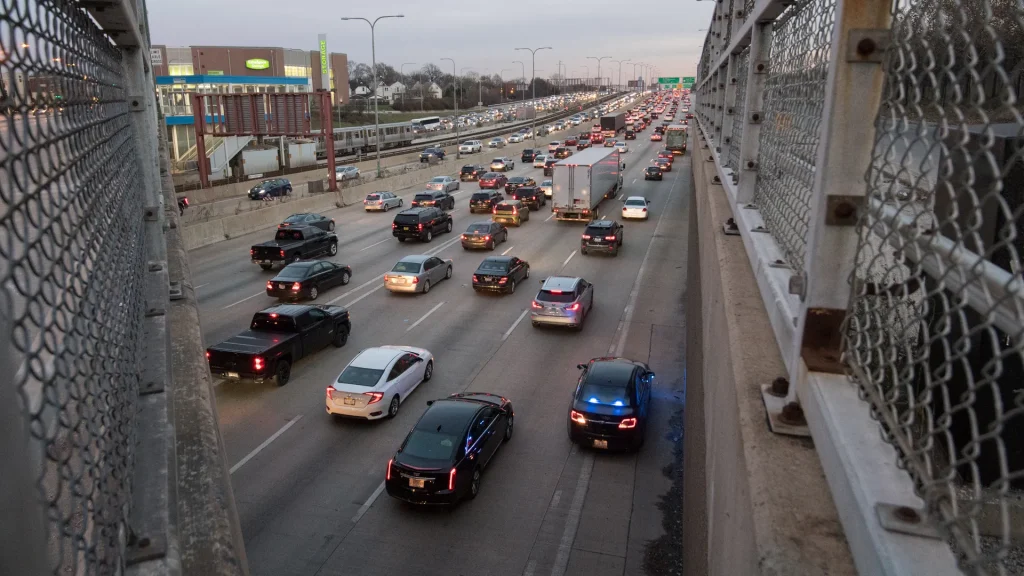
I-88 is your direct shot into Chicago. On a perfect day—think 6:15 AM departure or mid-morning travel—you can make it from downtown Naperville to the Loop in about 40-45 minutes.
But here’s what I tell every client: that’s best-case scenario.
During peak rush hour (7:00-9:00 AM inbound, 4:00-6:30 PM outbound), I-88 routinely backs up near the I-294 interchange and again as you approach the Eisenhower. In my experience, clients who leave Naperville between 7:30-8:00 AM regularly report 75-90 minute commutes when there’s an accident or construction.
Key landmarks along I-88:
- Naperville Road entrance
- Route 59 interchange
- I-294 junction (common bottleneck)
- Connects to I-290 (Eisenhower) into downtown
Metra BNSF Railway Line
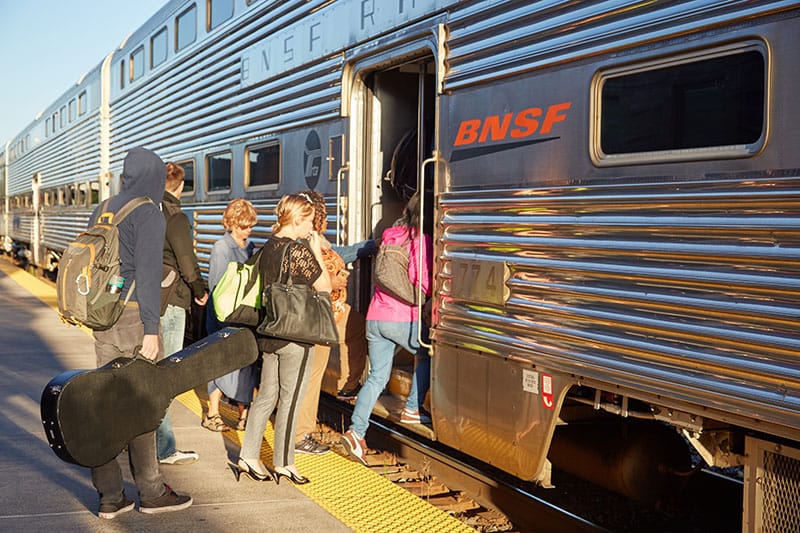
The Metra BNSF line runs directly from the Naperville station to Chicago Union Station. Trains depart every 30-40 minutes during peak hours, with the trip taking approximately 50-60 minutes depending on whether you’re on an express or regular schedule.
Last year I helped a family relocate from Lincoln Park to Best Naperville Neighborhoods for Families –best-naperville-neighborhoods Ashbury, and the husband was worried about his commute to a law firm near Union Station. He now takes the 7:12 AM express and arrives by 8:05 AM—more reliable than driving, and he uses the time to catch up on emails.
Metra advantages:
- No traffic stress
- Productive time (work, read, rest)
- Consistent arrival times
- Monthly passes available ($211-$241 depending on zone)
Metra considerations:
- Last-mile transportation needed in Chicago
- Evening schedule gaps after 8 PM
- Weekend service is limited
What Driving I-88 Really Looks Like: Timing Your Trip
If you’re planning to drive, timing is everything.
Best Departure Windows
Morning (Inbound to Chicago):
- 6:00-6:45 AM: Lightest traffic, 40-50 minute trip
- 7:00-7:30 AM: Moderate traffic, 55-70 minutes
- 7:30-8:30 AM: Heavy congestion, 75-100+ minutes
- After 9:00 AM: Traffic eases, 50-60 minutes
Evening (Outbound to Naperville):
- Before 3:30 PM: Light traffic, 45-55 minutes
- 4:00-6:30 PM: Peak congestion, 70-100+ minutes
- After 7:00 PM: Moderate traffic, 50-65 minutes
Alternative Routes When I-88 Is Jammed
If you monitor traffic apps like Waze or Google Maps and see red across I-88, you have backup options:
Route 59 to I-55:
Head north on Route 59 to I-55 (Stevenson Expressway). This adds distance but can save time when I-88 is at a standstill near I-294. Works best if you’re heading to the South Loop or South Side.
Ogden Avenue (Route 34):
The old-school surface street option. Ogden runs parallel to I-88 and can be faster during major I-88 incidents, though you’ll hit stoplights through Lisle, Downers Grove, and into the city. I only recommend this for severe backups.
Metra BNSF: Schedule, Costs, and What to Expect
The Naperville Metra station sits right off Washington Street in [[Complete Guide to the Naperville Riverwalk – /naperville-riverwalk-guide|Downtown Naperville]], with ample parking in the adjacent garages.
Typical Morning Schedule (Sample)
- 5:42 AM (Express – 52 min)
- 6:12 AM (Regular – 58 min)
- 6:42 AM (Express – 52 min)
- 7:12 AM (Express – 53 min)
- 7:42 AM (Regular – 60 min)
- 8:12 AM (Regular – 61 min)
Costs (2025)
- One-way ticket: $6.50-$7.25
- 10-ride pass: $58-$65
- Monthly unlimited pass: $211-$241
In my experience, families moving to Naperville for the schools often have one spouse working downtown. The Metra pass pays for itself quickly compared to daily gas, tolls, and parking fees in Chicago (which can run $20-$35/day in many Loop garages).
Tips for Metra Commuters
- Purchase a monthly pass online via the Ventra app for convenience
- Arrive 5-10 minutes early during winter months when trains can run slightly behind
- Seats fill up fast on morning express trains; earlier departures have better availability
- Union Station connects to CTA buses and the L for last-mile travel
What Your Naperville-Chicago Commute Will Actually Cost
Let’s break down real numbers based on what my clients report.
Driving Costs (Annual)
Assumptions: 50 weeks/year, 5 days/week, 35-mile one-way trip
| Expense Category | Annual Cost |
|---|---|
| Gasoline (25 MPG, $3.50/gal) | $2,450 |
| Tolls (I-PASS discount) | $1,200 |
| Parking (downtown garage) | $6,000 |
| Vehicle wear/maintenance | $1,800 |
| Total Annual Cost | $11,450 |
| Monthly Average | $954 |
When I helped a couple buy a home in [[Naperville School District Boundaries 2025-2026 – /naperville-school-boundaries|Tall Grass]] last spring, the wife was commuting to the West Loop daily. Once we calculated her $900+/month driving costs, she switched to Metra and saved over $7,000 annually.
Metra Costs (Annual)
| Expense Category | Annual Cost |
|---|---|
| Monthly Metra pass (Zone F) | $2,892 |
| Parking at Naperville station | $600 |
| CTA connections in Chicago | $300 |
| Total Annual Cost | $3,792 |
| Monthly Average | $316 |
The difference is significant: $7,658 saved annually by taking Metra versus driving.
Carpooling (Shared Driving)
If you split costs with one other person:
- Gas + tolls: ~$1,825/person annually
- Parking: $3,000/person (split spot)
- Total: ~$4,825/person (still saves vs. solo driving)
Carpooling and Rideshare: Making the Drive More Bearable
I’ve worked with several families who’ve organized neighborhood carpool rotations, and they report it’s not just about the money—it’s about sanity.
How to Find Carpool Partners
Apps and platforms:
- Waze Carpool
- Scoop
- RideshareOnline.com
- Nextdoor (neighborhood-specific)
Your workplace:
Many larger Chicago employers have commuter bulletin boards or Slack channels where suburban employees coordinate carpools.
Making Carpools Work
Set clear expectations upfront:
- Rotating driver schedule (weekly or monthly)
- Backup plans for sick days or schedule changes
- Meeting location (someone’s driveway vs. common spot like Naperville Metra parking lot)
- Music/podcast preferences (it matters!)
Last month I helped a family move to Brookdale, and the husband found two coworkers from his Naperville neighborhood who were driving separately to the same Loop office building. They’re now splitting gas and tolls three ways and using the HOV lanes on I-55 when I-88 is backed up.
Quality of Life: The Hidden Cost of Commuting
This is where I get candid with clients.
A 90-minute round-trip commute (optimistic average) equals 375 hours per year in transit. That’s nearly 16 full days.
For families with young kids, those hours add up. I’ve seen clients miss elementary school pickups, evening activities, and family dinners because of unpredictable traffic. It’s not just about the time—it’s about stress, exhaustion, and work-life balance.
Questions to Ask Yourself
- Does your employer offer remote work flexibility?
- Can you shift hours to avoid peak traffic (6:30 AM start instead of 8:00 AM)?
- Is a 4-day work week an option?
- Are there satellite offices closer to Naperville?
In my experience, families who proactively negotiate even one work-from-home day per week report significantly better quality of life. It’s worth the conversation with your employer before committing to a daily Chicago commute.
Future Infrastructure and Commuting Trends
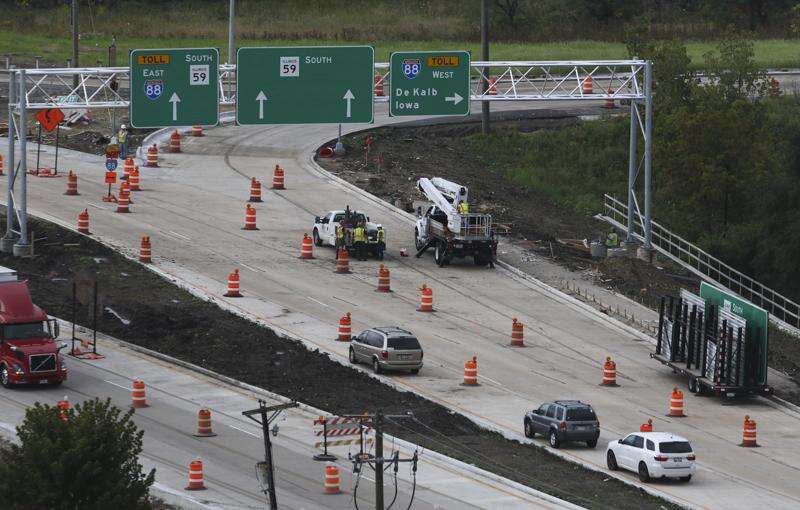
The Illinois Tollway Authority has ongoing expansion projects aimed at reducing I-88 congestion, including additional express lanes near I-294. These are expected to improve flow by late 2025 or early 2026.
Remote and hybrid work continues to reshape commuting patterns. Many of my clients who relocated to Naperville in 2023-2024 only commute 2-3 days per week, which fundamentally changes the calculus on housing location and commute tolerance.
Electric vehicles are also becoming more common among Naperville commuters, with charging stations now available at the Naperville Metra station and various downtown locations along the Riverwalk.
Frequently Asked Questions
How long is the commute from Naperville to Chicago?
Plan on about 45 to 90 minutes each way, depending on how you travel and the time of day. The Metra BNSF train takes roughly 35 to 60 minutes from downtown Naperville to Union Station, while driving I-88 to I-290 runs about 45 minutes off-peak but 60 to 90 minutes in rush hour.
How far is Naperville from Chicago?
Naperville sits about 28 to 30 miles west of downtown Chicago. The fastest way in is the Metra BNSF train, with express runs reaching Union Station in roughly 35 to 45 minutes from the downtown Naperville station. Driving the I-88 corridor takes around 45 minutes off-peak but 60 to 90 minutes in rush hour.
What train line goes from Naperville to Chicago?
The Metra BNSF Line, named for the Burlington Northern Santa Fe railway, serves Naperville. It runs east to Chicago’s Union Station and west to Aurora, stopping at both the downtown Naperville and Route 59 stations. Regular trains run all day, with faster express service added during morning and evening rush hours.
Can you take a train from Naperville to Chicago?
Yes. The Metra BNSF line runs frequently from Naperville’s two stations, downtown Naperville and Route 59, to Chicago’s Union Station, with express trains reaching downtown in about 35 to 45 minutes. It is the most reliable option and a major reason many commuters choose to live in Naperville.
How much does the Naperville to Chicago Metra cost?
A one-way Metra ticket from Naperville to Chicago runs about $6.75, with discounted monthly and multi-ride passes for daily commuters. Station parking adds a small daily fee. Metra updates its fares periodically, so confirm the current price and pass options on metra.com before you budget.
More detail: Metra fares are distance/zone-based, so the exact one-way price depends on the ticket type; a monthly pass sharply lowers the per-ride cost for daily commuters versus single tickets.
How much does an Uber or rideshare from Naperville to Chicago cost?
A one-way Uber or Lyft from Naperville to downtown Chicago typically runs about $55 to $80 for the roughly 27-mile, 40-minute trip, and more during surge pricing. It costs far more than the Metra train but can make sense for groups, off-hours, or door-to-door trips. Confirm live fares in the app before you ride.
More detail: rideshare wins on the ‘last mile’ if your destination is far from Union Station, but tolls and surge can push a single trip well past $80, so most daily commuters still use Metra.
How long does the Metra take from Naperville to Chicago?
Express trains reach Union Station in about 35 to 45 minutes, while trains that make more stops take roughly 50 to 60 minutes. Trains run throughout the day from the downtown Naperville and Route 59 stations, with the most frequent service during morning and evening rush hours.
Is Naperville a suburb of Chicago?
Yes. Naperville is a southwestern suburb of Chicago, located about 28 to 30 miles west of downtown in DuPage and Will counties. It is one of Illinois’s largest cities and a popular Metra commuter base for people who work in the city.
Is the Naperville to Chicago commute worth it?
It depends on your priorities. Many families accept the commute trade-off for Naperville’s nationally ranked District 203 and 204 schools, low crime, and strong home values. Commuters with flexibility, such as remote days or adjusted hours, find it most sustainable. The daily Metra ride runs about 35 to 60 minutes each way.
What is the best time to leave Naperville to avoid traffic?
For the inbound trip to Chicago, leave before 6:45 AM or after 9:00 AM. For the return trip home, leave before 3:30 PM or after 7:00 PM. Driving during peak rush hours on I-88 and I-290 can nearly double your travel time compared with off-peak.
Can I bike from Naperville to Chicago?
Technically yes. Via the DuPage River Trail and Illinois Prairie Path, the route runs roughly 28 to 32 miles depending on the path you take. Realistically, only dedicated cyclists ride the whole way. Most bike commuters do partial trips, riding to the Naperville Metra station and taking the train into the city.
More detail: Metra allows bikes on most off-peak trains, so a bike-plus-train combination is the practical setup for the Naperville to Chicago bike commute.
Are there express buses from Naperville to Chicago?
Pace Bus Route 834 offers express service during peak hours, but it runs less frequently than Metra and is still subject to highway traffic. For public transit, the Metra BNSF train remains the most reliable and popular option for the Naperville to Chicago commute.
What neighborhoods in Naperville have the easiest access to I-88 or Metra?
Downtown Naperville and nearby areas like Hobson West and East Highlands are within walking distance of the Metra station. For I-88 access, neighborhoods near Naperville Road or Route 59, including White Eagle, Ashbury, and Tall Grass, offer quick on-ramps to the tollway.
Written by Dan Firks
I’m Dan Firks, Listing Specialist, Luxury Home Specialist, Realtor®, Broker, and Founder & CEO of the Dan Firks Team at Coldwell Banker Real Estate Group in Naperville. Over the course of my career I’ve sold more than 1,500 homes and led one of the top-producing real estate teams in Illinois, grounded in my core values of infinite worth, integrity, and excellence. My work and market insights have been featured in Chicago Magazine, Zillow, Realtor.com, Top Agent Magazine, Naperville Magazine, and Glancer Magazine.
Commuting is one of the most important factors when choosing where to live, and I make it a point to discuss realistic scenarios with every client—not just best-case, but what you’ll actually experience day-to-day.
If you’re considering a move to Naperville or want to talk through neighborhoods with the best commute access to Chicago, I’d be happy to walk you through your options.
Call or text me at 630.637.9009 or email Dan@Naperville.com.
Looking to Buy or Sell in Naperville?

Have questions about buying or selling real estate in Naperville? Get in touch with Dan Firks today.
Contact Dan Firks
Recent Post
Oct. 14, 2026
How to Buy a House in Naperville: The Steps From Planning to Closing
Oct. 13, 2026
New Construction Inspections in Naperville: Phases and Occupancy
Oct. 13, 2026
Home Sale Contingency in Illinois: How the Kick Out Clause Works
Oct. 12, 2026
Buying a Foreclosure or Short Sale in Naperville: How Each One Works
Oct. 11, 2026
Average Rent in Naperville vs Buying: First Year and Five Year Costs
Explore Naperville
Naperville is a vibrant community offering something for everyone. From highly rated schools and welcoming neighborhoods to local dining, seasonal events, and everyday conveniences, the city blends suburban comfort with an active lifestyle. Whether you’re researching the area, planning a visit, or considering a move, explore the sections below to learn more about what makes Naperville a great place to live, work, and enjoy.
Explore Naperville