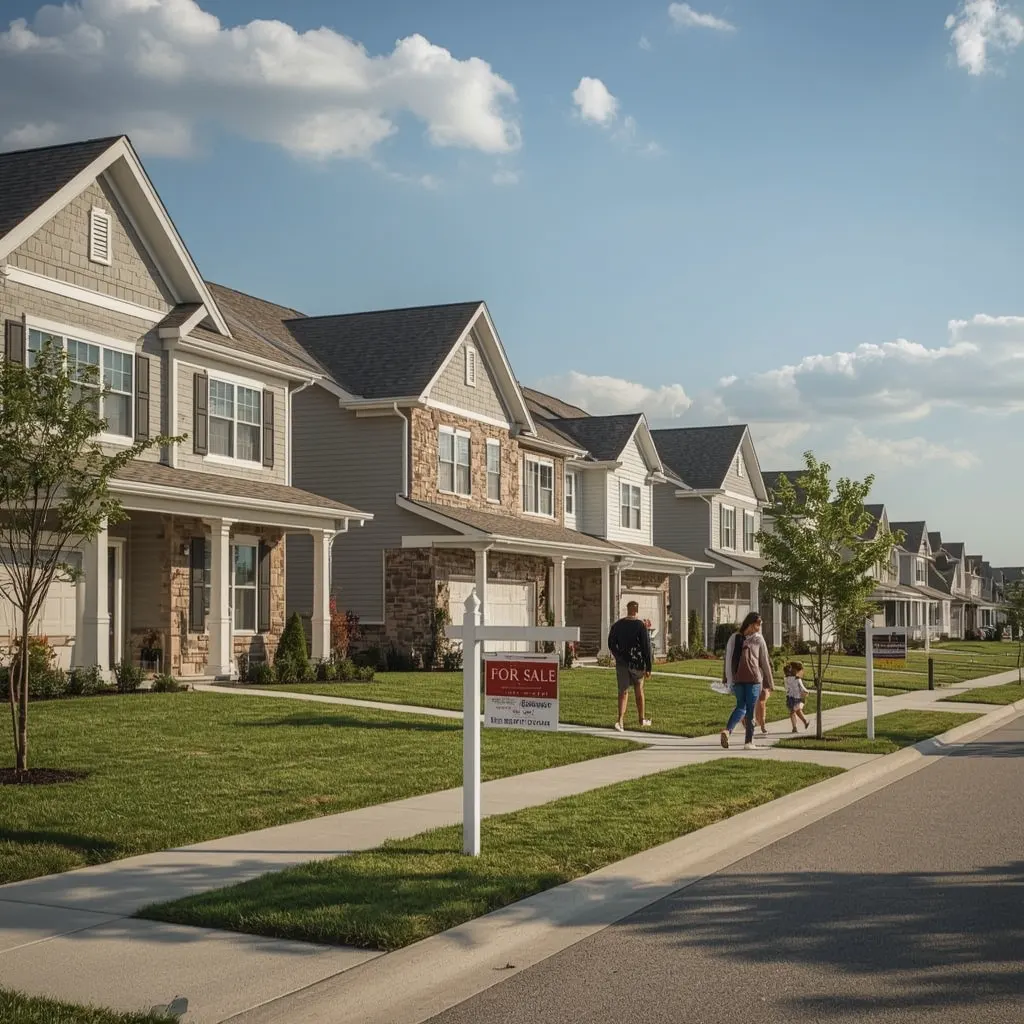

Property taxes are one of the most important costs of owning a home in Naperville. Whether you already live here or are considering buying, understanding how Naperville property taxes work can help you plan ahead, avoid surprises, and make informed decisions.
This guide explains how property taxes are calculated, where the money goes, available exemptions, appeal options, and what homeowners should expect in the future.

Overview of Naperville Property Taxes
Naperville property taxes are higher than the national average, largely due to Illinois’ reliance on local property taxes to fund schools and public services.
There is no single citywide rate, because Naperville sits in two counties. The median effective property tax rate is about 2.05% on the DuPage County side, which covers most of the city, and about 2.35% on the Will County side, per Ownwell analysis of county tax records pulled in August 2026. Both sit well above the national median effective rate of about 1.02%, from the same Ownwell analysis of county tax records pulled in August 2026. Do not average the two figures. A blended citywide rate is not the median on either side of the city.
For example, a $400,000 home in Naperville may carry an annual property tax bill close to $8,200 on the DuPage side or $9,400 on the Will side, depending on exemptions and local levies.
How Naperville Property Taxes Are Calculated
Property taxes in Naperville are based on the assessed value of your home, not the purchase price.
The calculation process includes:
- Market Value Estimate
Determined by the DuPage County Assessor using comparable home sales - Assessment Level
Residential properties are assessed at 33.33% of market value - Equalization Multiplier
Applied by the state to balance assessments across counties - Local Tax Rates
Set by taxing bodies such as school districts, the city, and park district
Your final tax bill is the result of these components working together.
Key takeaway: Higher assessed value means higher property taxes.
Where Naperville Property Tax Money Goes
Property taxes directly fund local services that shape daily life in Naperville.
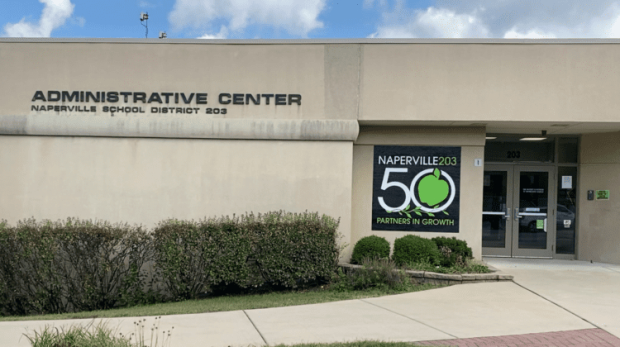
Approximately 60% of all property tax revenue supports local schools, primarily:
- Naperville Community Unit School District 203
- Indian Prairie School District 204
The remaining portion funds:
- Police and fire departments
- Road maintenance and infrastructure
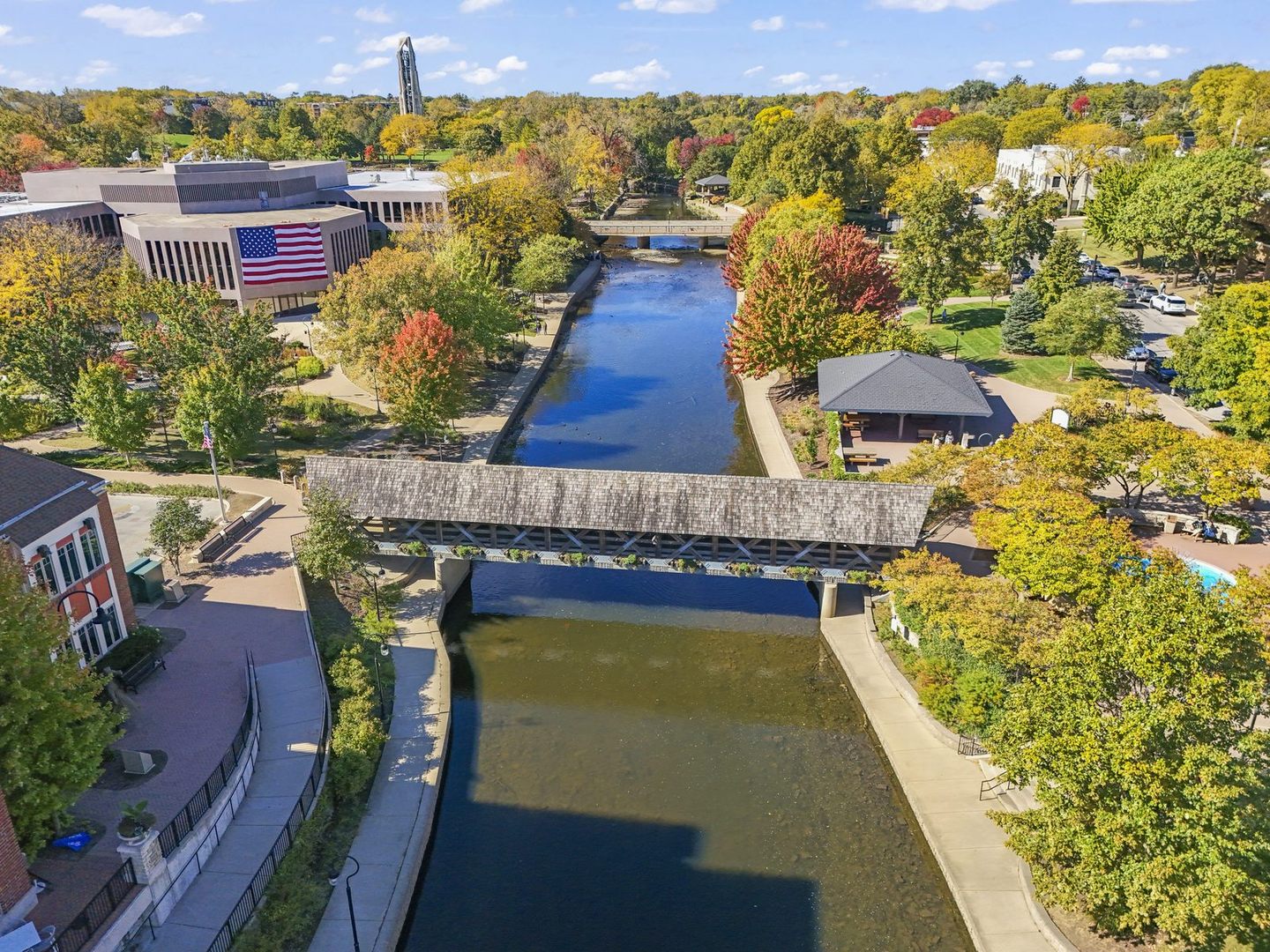
- Parks and recreation, including the Naperville Riverwalk
- City services and municipal operations
Roughly $1 out of every $2 collected goes directly to education.
Property Tax Exemptions Available in Naperville
Many homeowners qualify for exemptions that reduce their taxable value.
Common exemptions include:
General Homestead Exemption
Reduces the taxable value of a primary residence by $6,000
Senior Homestead Exemption
Provides additional reductions for homeowners age 65 and older
General Homestead Improvement Exemption
Temporarily limits assessment increases after major renovations
Applying for exemptions can meaningfully lower your annual tax bill.
Factors That Influence Property Tax Assessments
Several factors affect how your property is assessed in Naperville.
Market trends
Recent home sales in your neighborhood strongly influence assessed value.
Location
Homes near top-rated schools, parks, and amenities often carry higher assessments.
Home improvements
Additions, renovations, and increased square footage may raise assessed value.
Economic conditions
Local economic growth or decline impacts housing demand and property values.
Staying aware of these factors helps homeowners anticipate changes in taxes.
Understanding Your Naperville Property Tax Bill
Your property tax bill reflects three core components:
- Assessed value
- Local tax rate
- Applicable exemptions
Reviewing your bill closely allows you to:
- Budget accurately
- Identify errors
- Decide whether an appeal is appropriate
Each bill also shows how tax dollars are allocated across local services.
How to Appeal a Property Tax Assessment in Naperville
If you believe your assessment is too high, you have the right to appeal.
The appeal process:
- Review your assessment notice carefully
- Collect comparable home sales data
- File an appeal with the DuPage County Board of Review
- Attend a hearing if required
- Receive a written decision
Common mistakes to avoid:
- Missing filing deadlines
- Using poor or unrelated comparables
- Appealing without documentation
A successful appeal can reduce your tax bill for multiple years.
Budgeting for Property Taxes as a Naperville Homeowner
Property taxes should be planned for year-round, not just at billing time.
Practical budgeting strategies:
- Set aside funds monthly in a dedicated account
- Estimate annual taxes based on prior bills
- Apply for all eligible exemptions
- Review your assessment every year
Consistent planning prevents financial strain when tax bills arrive.
How Local Development Affects Future Property Taxes
New developments can raise property values and tax assessments.
Examples include:
- New commercial developments
- Park and Riverwalk expansions
- Infrastructure upgrades
- School improvements
While these changes often improve quality of life, they can also increase future tax bills. Monitoring local development plans helps homeowners plan ahead.
Helpful Resources for Naperville Property Tax Information
For accurate, up-to-date guidance, consult:
Community groups and local real estate professionals can also provide practical insights based on real-world experience.
Final Thoughts
Naperville property taxes are a major part of homeownership, but they do not have to be confusing. Understanding how taxes are calculated, where the money goes, and how to manage or appeal your assessment puts you in control.
If you are buying, selling, or planning long-term ownership in Naperville, informed decisions start with understanding property taxes.
Looking to Buy or Sell in Naperville?

Have questions about buying or selling real estate in Naperville? Get in touch with Dan Firks today.
Contact Dan Firks
Recent Post
Oct. 07, 2026
Ranch Homes in Naperville: How to Search, Verify and Inspect
Oct. 07, 2026
Naperville Halloween and Fall Events 2026: Things to Do Oct 10 to Nov 5
Oct. 06, 2026
Building a Custom Home in Naperville: Lots, Teardowns, Costs, Builders
Oct. 05, 2026
What School District Am I In? Verifying a Naperville Address
Oct. 04, 2026
Radon Testing in Naperville for Buyers: Results and Mitigation
Explore Naperville
Naperville is a vibrant community offering something for everyone. From highly rated schools and welcoming neighborhoods to local dining, seasonal events, and everyday conveniences, the city blends suburban comfort with an active lifestyle. Whether you’re researching the area, planning a visit, or considering a move, explore the sections below to learn more about what makes Naperville a great place to live, work, and enjoy.
Explore Naperville