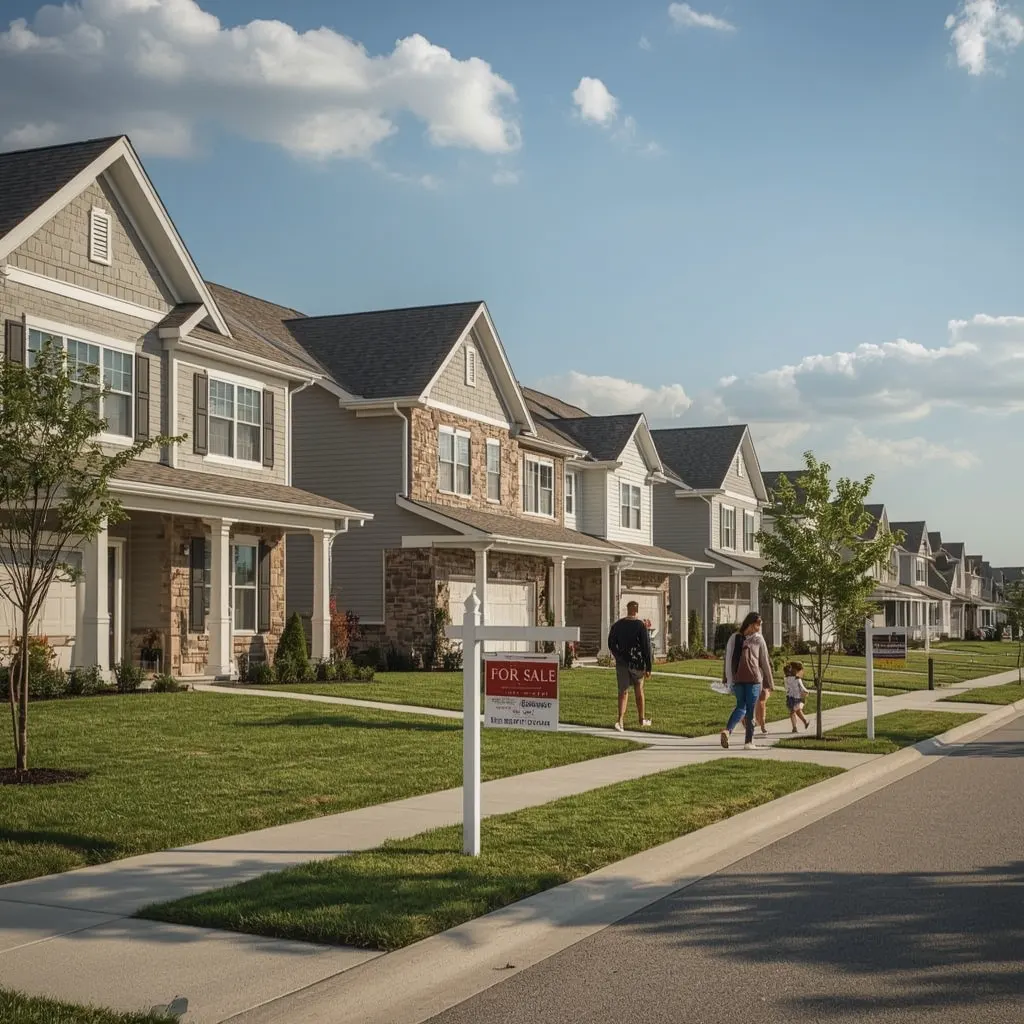

Naperville, Illinois has officially been named the #1 Best Place to Live in America by Niche.com in its 2025 rankings — but the win went beyond a single category. Naperville also took the top spot for Best Place to Raise a Family in America, Best Place to Buy a House in America, and Best Public Schools in America. Four categories. One city. A national sweep.
Prefer the quick version? Watch our 60-second video on why Naperville keeps ranking as America’s #1 place to live →
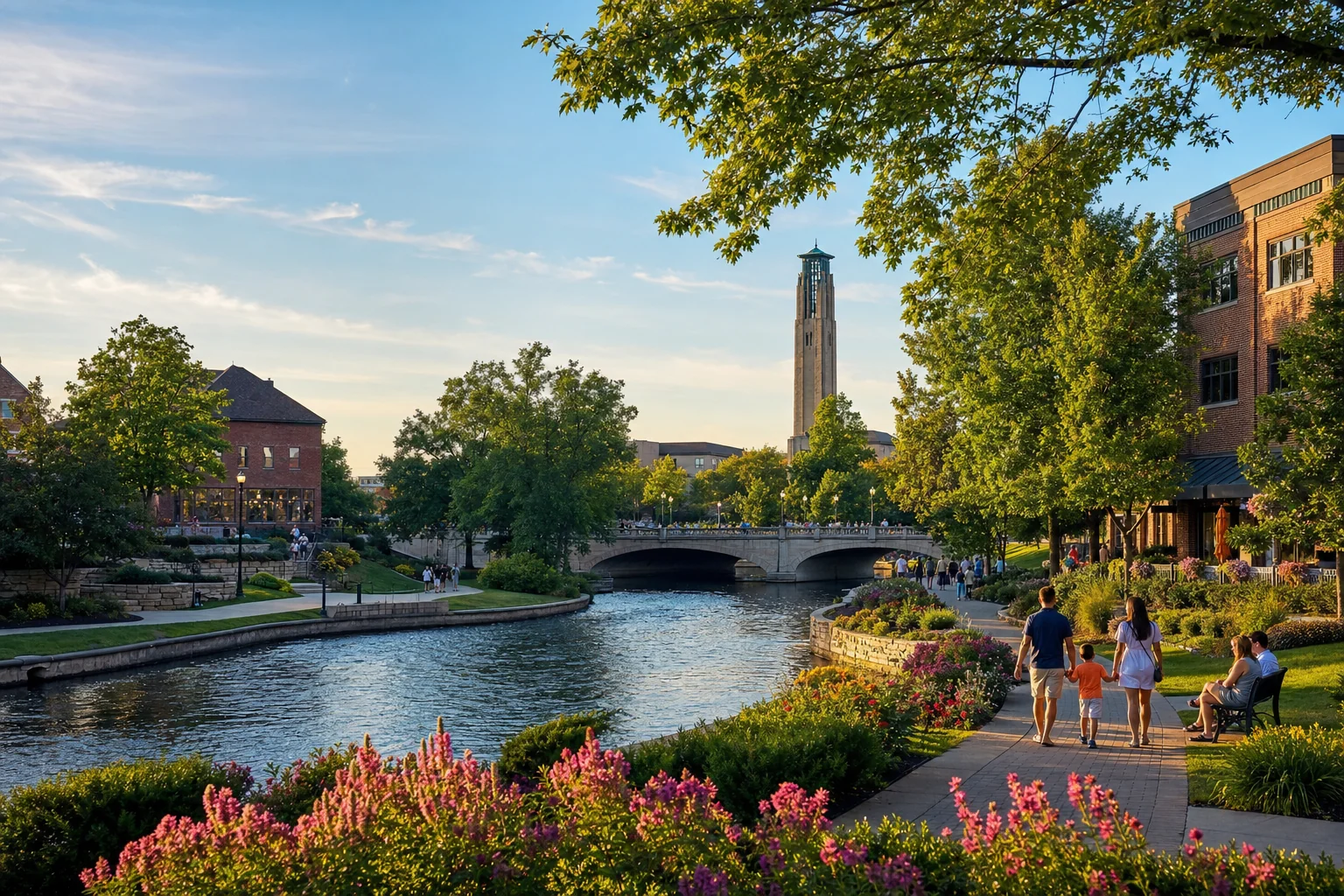
I’ve lived and worked in Naperville for years and helped more than 1,500 families move in and out of homes across the western suburbs. The Niche rankings don’t surprise me — they confirm what residents have been telling me for years. What’s worth unpacking is why Naperville earned the sweep, and what it means for you if you’re researching the city as a potential home.
The Four Wins: What Niche Actually Measured
Niche.com aggregates dozens of public and private data sets — U.S. Census, FBI, BLS, GreatSchools, GreatSchools test data, Federal Reserve, and proprietary resident surveys — into composite letter grades per city. For 2025, Naperville earned an A+ in every major category and the #1 national rank across four of them:
- #1 Best City to Live in America — composite of housing, schools, safety, jobs, diversity, and outdoor activity.
- #1 Best City to Raise a Family in America — weights schools, parks, family-friendly amenities, and crime data more heavily.
- #1 Best City to Buy a House in America — combines home values, market stability, ownership rate, and resident satisfaction.
- #1 City with the Best Public Schools in America — driven by District 203 and District 204 test scores, graduation rates, and college readiness metrics.
Few American cities of Naperville’s size (~150,000 residents) take the top spot in any one Niche category. Sweeping four — across categories that often pull in different directions — is, frankly, remarkable.
Why Naperville Actually Deserves the #1 Best Place to Live Ranking
Rankings are useful as a directional signal, but they don’t tell you what daily life feels like. Here’s what I’ve seen on the ground that the data points to — and why I think Naperville earns these designations.
1. The Schools Are the Real Anchor

Naperville is served by two top-rated public school districts — District 203 (central and southern Naperville) and District 204 (Indian Prairie, covering the western/southwestern half). Both rank among the top 10 districts in Illinois. Naperville Central and Naperville North high schools (District 203) are perennial U.S. News Top 100 high schools. Neuqua Valley, Waubonsie Valley, and Metea Valley (District 204) regularly land in the top 5% of Illinois high schools.
What this means in practice: When I’m working with relocation buyers from out of state, schools are usually the first conversation. Families moving from places like Chicago, the East Coast, or the West Coast tell me Naperville’s public school strength was the reason they looked here first — not Wheaton, not Hinsdale, not Glen Ellyn. The Niche #1 Public Schools ranking confirms it nationally.
2. Naperville Is Genuinely Family-Friendly
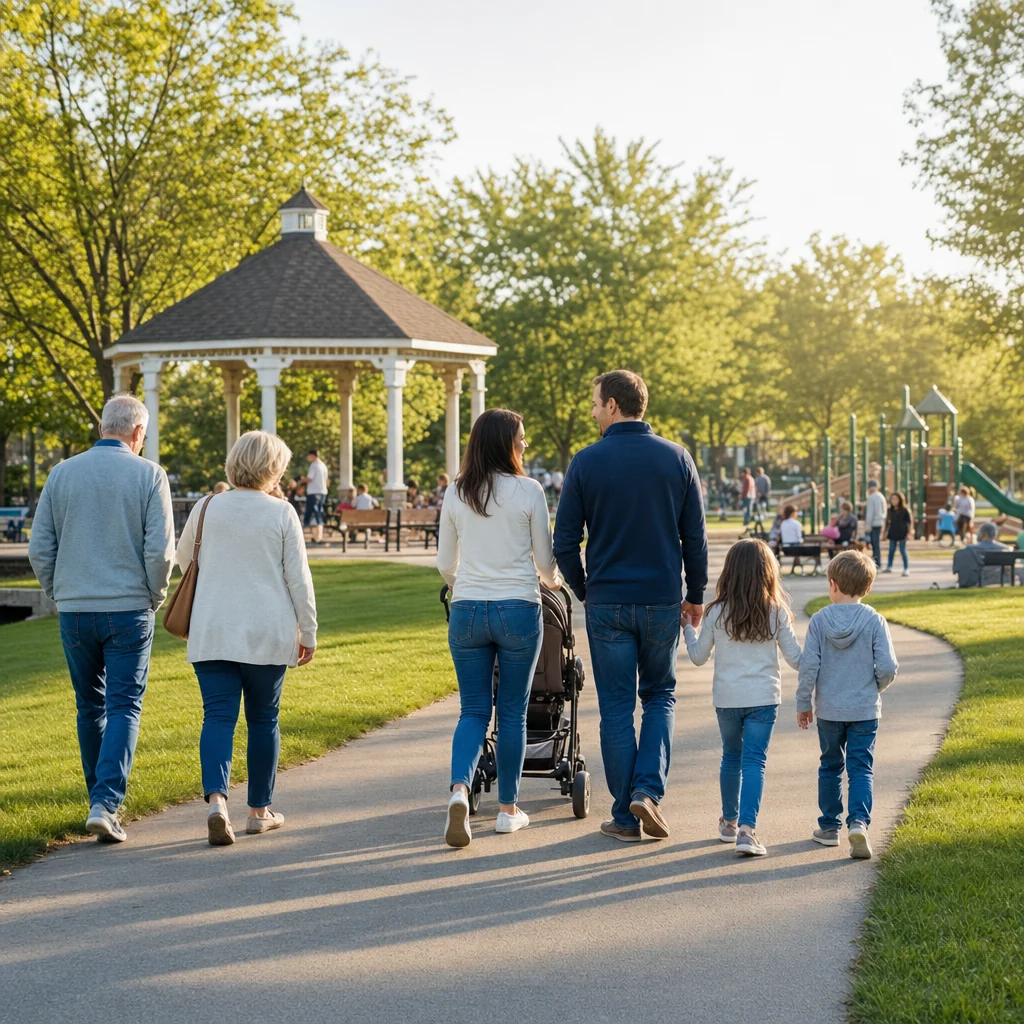
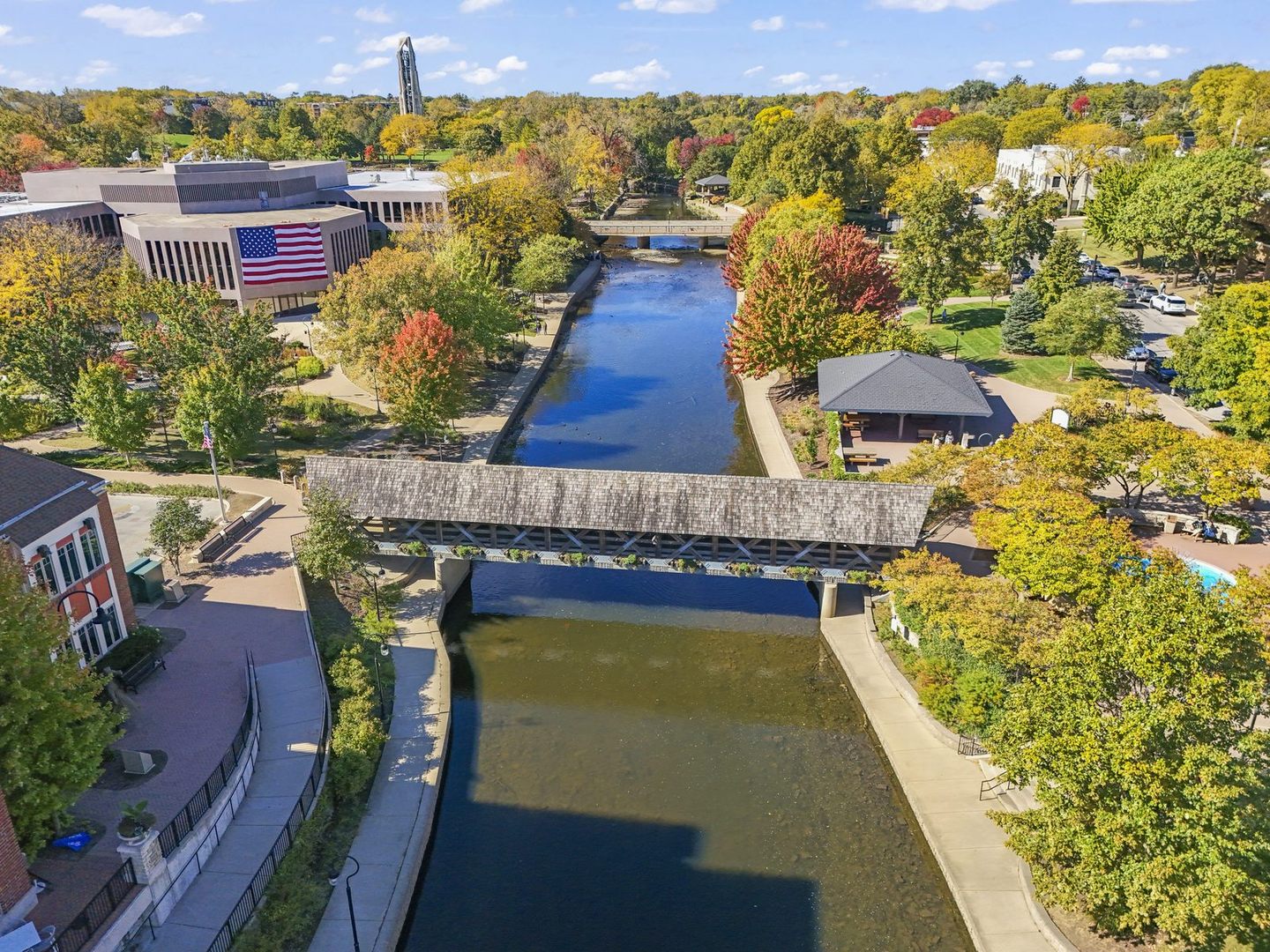
The Naperville Park District manages over 130 parks across more than 2,400 acres, plus 70+ miles of paths and trails. Add the Wheatland Athletic Association’s facilities on the west side, and you get the densest public recreation footprint of any large Chicago suburb. Free things to do in Naperville alone could fill a week — the Riverwalk, Centennial Beach, Knoch Park, the Sensory Garden Playground, Springbrook Prairie.
What this means in practice: When I show homes to families with kids, they’re not just buying a house. They’re buying access to the District 203 swim team, the soccer leagues at Knoch Park, the Naperville Park District summer camps, and the Riverwalk for weekend bike rides. The infrastructure makes raising kids here genuinely easier than in cities that have to retrofit their family amenities.
3. The Housing Market Is Stable AND Liquid
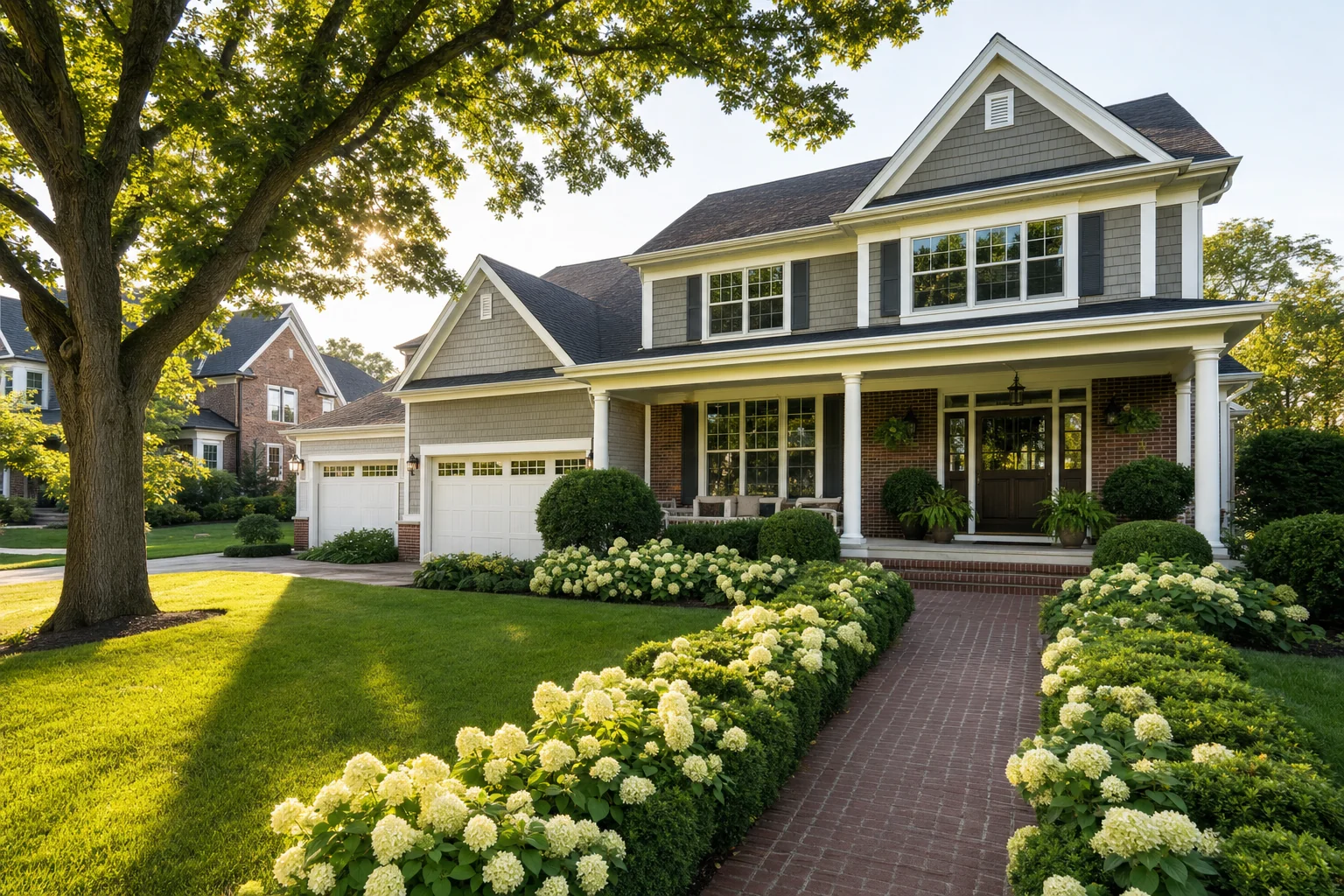
Niche’s #1 Best Place to Buy a House ranking surprises some people. They look at the Naperville median home price and assume the city is too expensive. What the ranking actually rewards is market health: how stable values are, how predictable appreciation is, how active the resale market is, and how satisfied existing owners are with their decisions.
In my experience, Naperville homes appreciate predictably over 5-10 year horizons, hold value during downturns better than many Chicago-area suburbs, and resell faster than peer markets when priced correctly. That’s the definition of a healthy housing market. It’s also why I tell buyers: a Naperville home is rarely a speculative play, but it’s almost always a sound long-term hold.
4. The Downtown Actually Works
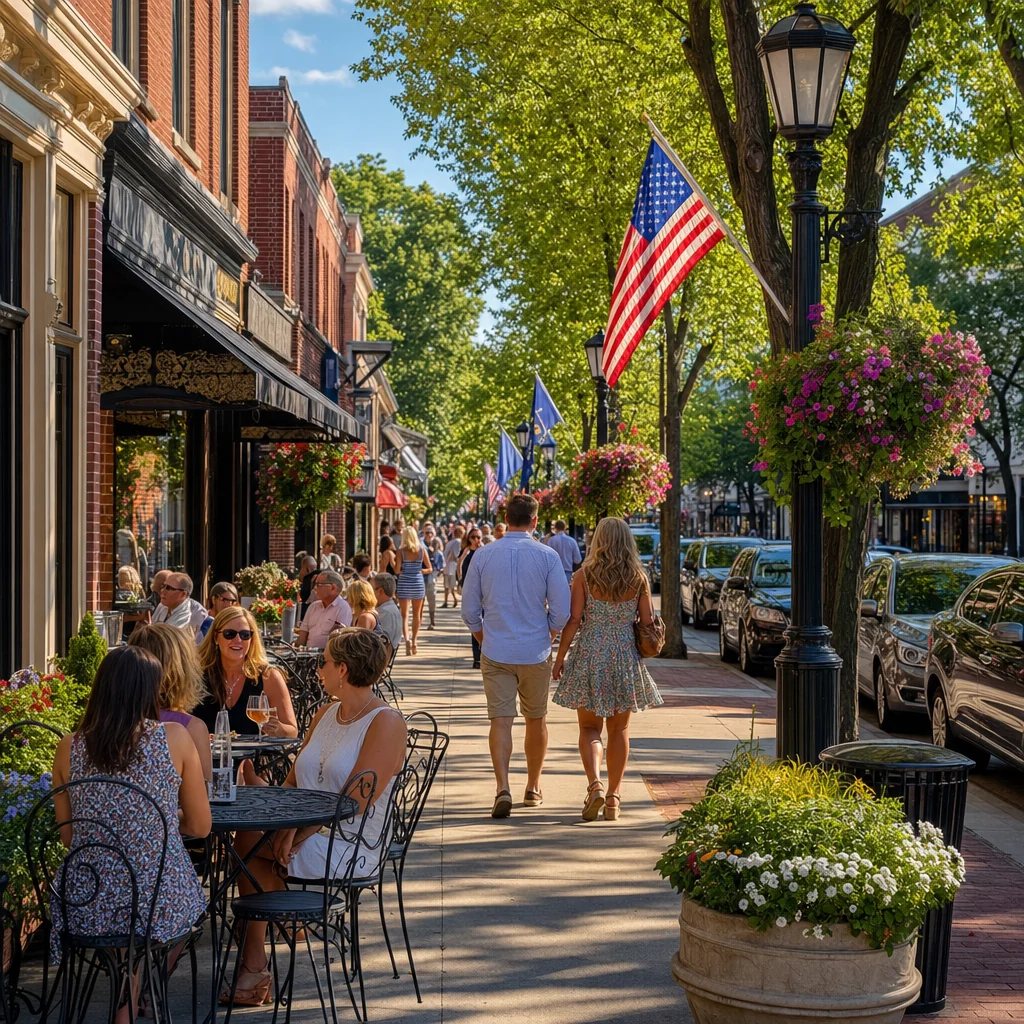
Plenty of suburbs claim a walkable downtown. Few actually have one. Downtown Naperville works because it’s the result of 40+ years of deliberate public-private investment: the Riverwalk opened in 1981 and has been expanded annually since, Naper Settlement preserves 13 acres of original 19th-century structures, and the downtown core has more than 100 independent boutiques and restaurants tightly packed into about 1.5 walkable square miles.
For my clients, the downtown is the difference between Naperville and almost every comparable suburb. You’re not just buying a quiet residential address — you’re buying weekend access to a real downtown ten minutes from your driveway.
What This Means If You’re Thinking About Moving to Naperville
A national #1 ranking is rocket fuel for buyer interest — and we’re already seeing it in my market activity. Here’s how I’d think about your timing and approach if Naperville’s on your shortlist.
Expect More Competition for Top-School Homes
Homes inside the District 203 attendance boundaries — particularly for Naperville Central, Naperville North, and the feeder elementary schools like Beebe, Highlands, and Elmwood — were already moving fast pre-ranking. With the national spotlight, expect even tighter inventory in 2025-2026. If you’re targeting a specific school, plan to act decisively when the right home comes up.
Don’t Sleep on District 204 Pricing
District 204 (Indian Prairie) is just as strong academically but historically priced slightly below comparable District 203 homes because of distance from downtown. Neuqua Valley feeder homes in particular can be excellent value — the schools are top-tier, the homes are often newer, and the dollar-per-square-foot is more favorable. Worth a conversation.
Tour the Neighborhoods Most Aligned With Your Lifestyle
I tell every relocation buyer the same thing: Naperville is functionally 8-10 different neighborhoods stitched into one city. Downtown-adjacent (Old Town, Cress Creek, Brookdale) lives very differently from west-side luxury (River Run, Tall Grass, White Eagle), which lives very differently from family-focused planned communities (Ashbury, Bittersweet, Westbury). Browse our family-friendly neighborhood guide to start narrowing it down.
Schools Snapshot: Why District 203 and 204 Matter
If you’re moving here for the schools (and 4 out of 5 of my relocation buyers are), here’s the quick orientation.
- District 203 (Naperville CUSD 203) — Naperville Central and Naperville North high schools; serves central and southern Naperville. Long history, strong arts programs, top-tier athletics.
- District 204 (Indian Prairie CUSD 204) — Neuqua Valley, Waubonsie Valley, and Metea Valley high schools; serves western/southwestern Naperville plus parts of Aurora, Bolingbrook, and Plainfield. Newer facilities, very strong STEM and academic team programs.
- Both districts feed into Indian Prairie / DuPage County school districts that consistently rank in Illinois’ top 10.
- School boundaries can affect home values by 5-15% on identical properties. Always verify boundaries before making an offer.
Cost of Living: What to Expect
Naperville is a premium suburb, and pricing reflects that. Some context I share with relocation buyers:
- Median home value sits well above the Illinois average — typically $475K-$575K depending on the year and submarket.
- Property taxes are significant (Illinois has some of the highest property tax rates in the country), but the trade-off is excellent schools and public services.
- Income tax is flat 4.95% statewide.
- No municipal income tax. Sales tax is 7.75% in Naperville (state + local).
- Compared to peer suburbs like Hinsdale, Western Springs, and Wilmette, Naperville often offers more home for the same dollars — especially in District 204.
Ready to Make the Move?
If you’re seriously considering a move to Naperville — whether you’re relocating from out of state or moving across town — I’d love to help. The Niche rankings confirm what residents have known for years, but every buyer’s situation is different. What I can do for you:
- Walk you through the school boundaries and how they map to homes in your price range.
- Show you neighborhoods most aligned with how you want to live, not just what’s on Zillow.
- Provide a current market valuation if you’re selling your current home to fund the move.
- Connect you with reliable local lenders, inspectors, and moving services.
Call or text me at 630.637.9009 or email Dan@Naperville.com. First conversation is always a no-pressure 20-minute call to learn what you’re hoping to accomplish.
Frequently Asked Questions
Is Naperville really the best place to live in America?
According to Niche.com’s 2025 rankings, yes — Naperville ranked #1 nationally for Best Place to Live, Best Place to Raise a Family, Best Place to Buy a House, and Best Public Schools. The composite ranking is based on Census, FBI, BLS, and education-data inputs plus resident surveys.
What makes Naperville the best place to live?
Naperville’s top ranking reflects a combination of excellent public schools (Districts 203 and 204), low crime rates, strong housing market stability, extensive park and recreation infrastructure, a walkable historic downtown, and proximity to Chicago without urban density. The combination is rare for any city this size.
Is Naperville Illinois safe?
Naperville is consistently ranked among the safest cities in Illinois and the U.S. for cities over 100,000 residents. Violent crime rates are well below state and national averages, and the city maintains its own well-resourced police department.
How much does it cost to live in Naperville?
Median home values typically range $475K–$575K. Property taxes are notably higher than the U.S. average but support the schools and parks that make the city desirable. Day-to-day costs (groceries, gas, services) are roughly in line with the Chicago suburban average.
How does Naperville compare to Chicago?
Naperville is a 30-40 minute drive (or BNSF Metra train ride) west of downtown Chicago. Residents get suburban amenities — top schools, low crime, spacious housing, parks — while keeping access to Chicago’s job market and cultural offerings. Most Naperville families have one foot in each world.
About the Author
Dan Firks is the Founder & CEO of the Dan Firks Team at Coldwell Banker Real Estate Group in Naperville. Over his career he has helped more than 1,500 families buy and sell homes across the Naperville area and the western suburbs, with work featured in Chicago Magazine, Zillow, Realtor.com, Top Agent Magazine, Naperville Magazine, and Glancer Magazine. To talk about your move in or around Naperville, call or text Dan at 630.637.9009 or email Dan@Naperville.com.
Looking to Buy or Sell in Naperville?

Have questions about buying or selling real estate in Naperville? Get in touch with Dan Firks today.
Contact Dan Firks
Recent Post
Oct. 09, 2026
Buying a Home in Unincorporated Naperville: Outside the City Limits
Oct. 08, 2026
First Time Home Buyer Programs in Naperville: IHDA, Limits and Steps
Oct. 07, 2026
Ranch Homes in Naperville: How to Search, Verify and Inspect
Oct. 07, 2026
Naperville Halloween and Fall Events 2026: Things to Do Oct 10 to Nov 5
Oct. 06, 2026
Building a Custom Home in Naperville: Lots, Teardowns, Costs, Builders
Explore Naperville
Naperville is a vibrant community offering something for everyone. From highly rated schools and welcoming neighborhoods to local dining, seasonal events, and everyday conveniences, the city blends suburban comfort with an active lifestyle. Whether you’re researching the area, planning a visit, or considering a move, explore the sections below to learn more about what makes Naperville a great place to live, work, and enjoy.
Explore Naperville