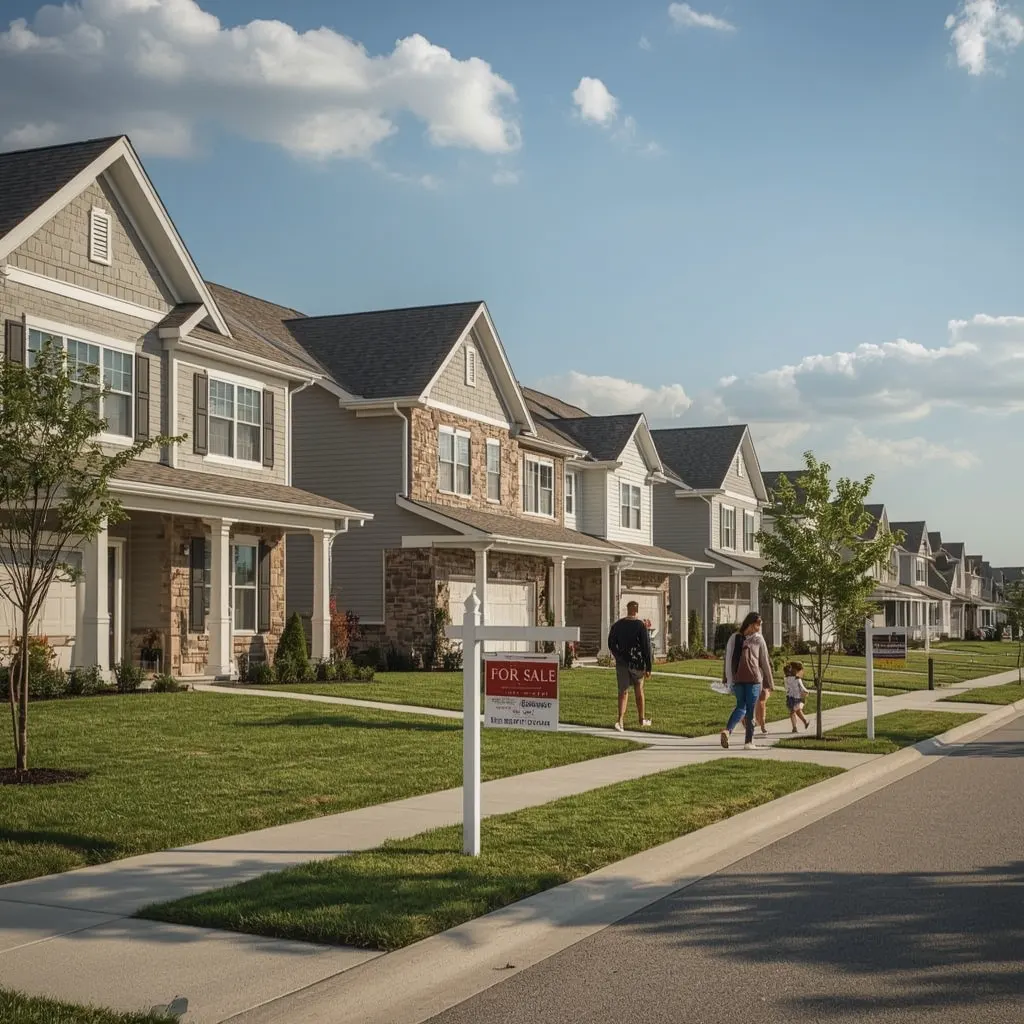

New construction inspections in Naperville come from two sides. The City inspects under the builder’s permit, and the inspections required for that permit are listed in the City’s portal; that is not the same as an inspection you hire. Book a licensed Illinois home inspector at up to three points: the foundation before the pour, the framing before drywall, and the finished house before your final walk-through.
The building may not be occupied until the City has issued a temporary or final certificate of occupancy; under the City’s 2021 instructions a temporary one is issued for 60 days, or until June 15 if issued between October 1 and April 15.
I am Dan Firks, Founder and CEO of the Dan Firks Team at Coldwell Banker Real Estate Group here in Naperville. My Illinois real estate broker license is 475.141739. I am not an inspector, builder or attorney. To see what is being built, start with our guide to new construction homes in Naperville.
Under contract with a builder? Call or text me at 630.637.9009 or email Dan@Naperville.com. This is general information, not legal, tax or lending advice.
In this guide
- Your own inspection
- City versus hired inspections
- Phase inspections
- Following the permit
- Temporary versus final certificate
- The punch list
- Inspector licensing
- Attorney review
- Using an agent
- Property tax
- Printable checklist
- FAQ
Do you need your own inspection on a new construction home in Naperville?
Yes, in most cases it is worth hiring one, because the City’s inspections are done under the builder’s permit, while an inspector you hire reports the condition of the house to you.
Two facts make your own inspections count for more on a new build. First, the Residential Real Property Disclosure Act, 765 ILCS 77/15, says “A seller in any of the following transfers is exempt from this Act, regardless of whether a disclosure report is delivered,” and its list includes “Transfers of newly constructed residential real property that has never been occupied.” Whether that exemption applies to your purchase is a question for your attorney.
Second, the American Society of Home Inspectors (ASHI) Reporter, April 2022, says “The final inspection is the same as a standard inspection when buying any home.” The City’s inspections and your own inspections answer different questions.
How are the City’s building inspections different from an inspection you hire?
The City inspects under the builder’s permit, and the inspections required for that permit are listed in the City’s portal; an inspection you hire reports the condition of the house to you and does not approve or reject anything on the City’s behalf.
| Question | City code inspection | Inspection you hire |
|---|---|---|
| What it checks | The inspections the City’s portal lists for the permit. Plans submitted on or after April 1, 2026 are reviewed under the 2024 International Residential Code (Ordinance 26-010, per the City’s Building Permits page). A home permitted earlier may fall under a different code edition; ask the builder which edition the permit was reviewed under. | The condition of the house at that stage |
| Who does it | City code officials, who are exempt from home inspector licensing while doing that government job (225 ILCS 441/5-5) | A home inspector licensed by the Illinois Department of Financial and Professional Regulation (IDFPR) |
| Where the result goes | Recorded under the permit; results by phone at (630) 420-6100, option 1 | To you, in a written report |
InterNACHI’s guide to code inspections says “Only the local authorities having jurisdiction can interpret the adopted and amended code.” Raise your inspector’s findings with the builder in writing; they are not a City ruling.
The City’s permit office is at 400 S. Eagle St.; see our listing for Naperville building permits and inspections.
These City steps apply to addresses inside the City of Naperville, and a Naperville mailing address can be outside city limits, so check whether a Naperville address is inside city limits.
What are the phase inspections on a new construction home, and when do you book them?
The three common phase inspections are the foundation before the concrete is poured, the framing (pre-drywall) before insulation and drywall cover the walls, and a final inspection before your walk-through; book each one before that work is covered, and an ASHI Reporter article lists that set as the three main recommended inspections for a new house.
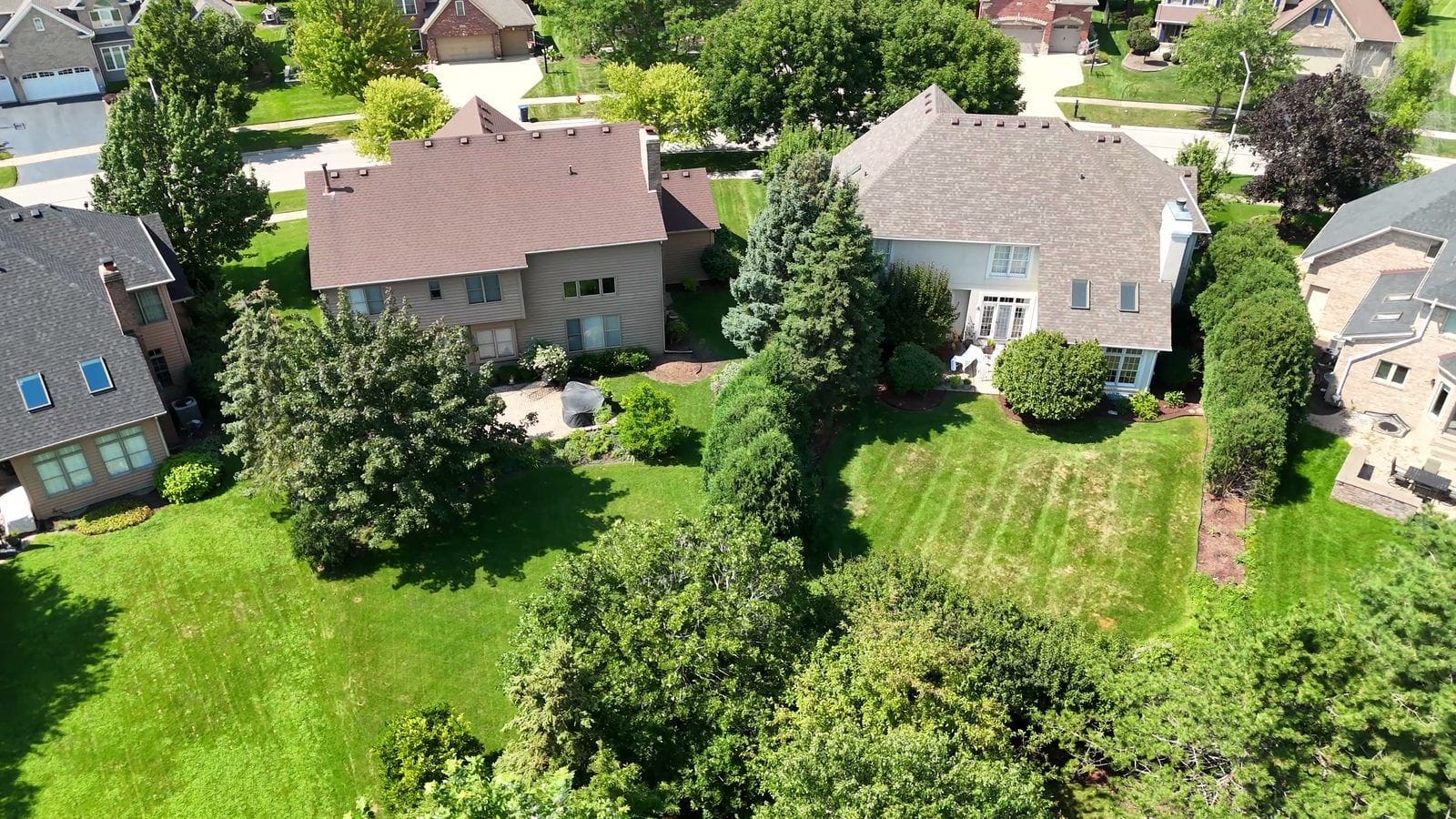
A phase report typically covers only that phase, while an end-of-construction report covers the whole house (ASHI Reporter, 2004).
| Stage | What an inspector you hire can look at | The City inspection | Ask the builder for, in writing |
|---|---|---|---|
| Foundation, before the pour | An ASHI Reporter article lists checks that the grading and excavations are correct before the concrete covers them, plus the drainage and vent lines and the distance between anchors | Listed per permit in the City’s portal; ask which fall here and whether they passed | The pour date in time to book your inspector, and site access |
| Framing, before drywall | An ASHI Reporter article lists the beams, studs and other parts of the structure, and the wiring and plumbing, before the walls hide them | The inspections the City portal lists for this permit. Ask the builder which of them happen before insulation and drywall, and whether they passed. The City publishes no single stage list for new homes. | Notice before insulation and drywall, and a written response to each finding |
| Final, before the walk-through | The whole house, the same as a standard resale inspection (ASHI) | The final inspections the portal lists for this permit. | The City result, a copy of the certificate and the signed punch list |
| Optional, if your warranty has a review window: read the warranty for dates | Items that show up after move-in | Not a permit stage | The warranty, its start date and where to send repair requests |
ASHI’s Reporter, January 2024, says it is recommended for the builder to be at the house during your inspection, partly so the keys and overhead door remotes can be tested. In my experience, a buyer who has not asked for written notice can miss the pre-drywall window, so I suggest requesting it early.
How can you follow a Naperville permit’s inspections and occupancy?
Ask your builder for the building permit number, follow the inspections the City lists for that permit, call (630) 420-6100, option 1, for inspection results, and check the City’s monthly Building Permit Occupancy Report for the certificate.

- The inspections. The City’s Building Permits page says “Required inspections will be listed in the portal,” meaning the City’s online permitting portal.
- The records. The City’s Guide to Building Permits (revised October 31, 2022) tells owners to “monitor the inspection records.”
- The occupancy report. The City’s Building Permits Issued Reports page posts, as searchable PDFs, a monthly Building Permit Occupancy Report that includes “properties that have been issued temporary or final certificates of occupancy,” initial occupancies only. Search the PDF for the property address or permit number.
- Recent months. Each report posts after its month ends, and as of October 13, 2026 the newest posted was July 2026, so a recent certificate may not be listed yet. Get a copy from the builder and confirm status with the City at (630) 420-6100, option 2.
What is a temporary certificate of occupancy in Naperville, and how is it different from the final one?
A temporary certificate of occupancy (TCO) can allow a new single-family home, duplex or townhome to be occupied for 60 days, or until June 15 if issued between October 1 and April 15, after the City approves a temporary-occupancy request that includes an inspector’s certification of substantial completion; the final certificate of occupancy is not temporary.
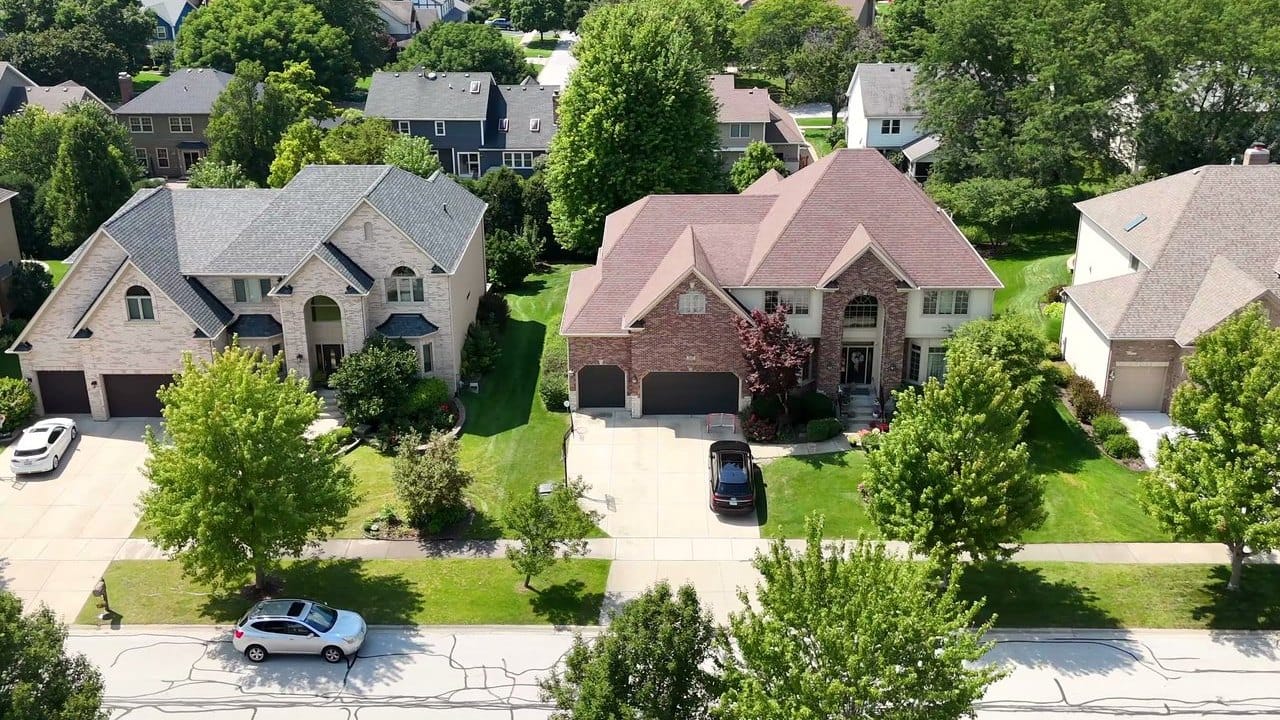
The City documents read for this article do not describe how the final certificate is issued. Without a valid temporary or final certificate, the building may not be occupied, so confirm the current terms with Inspection Dispatch.
| Question | Temporary certificate | Final certificate |
|---|---|---|
| How long it lasts | 60 days, or until June 15 if issued between October 1 and April 15 | No end date is stated in the documents read |
| Occupancy | Allowed while it is valid | Allowed |
| The City’s temporary-occupancy deposit | Paid with the request | Refunded when the final certificate is issued |
| How it is issued | By email, after up to 48 hours of processing | Not described in the documents read |
From the City’s Temporary Occupancy Request (instructions revised August 5, 2021; form revised August 24, 2021):
- Paperwork. A notarized application, a cash deposit the City sets (ask Inspection Dispatch for the current amount), and an engineer’s final grading statement or a topographical survey.
- The City’s temporary-occupancy deposit. It is refunded when the final certificate is issued, and forfeited if no final certificate is issued within 24 months after the TCO expires.
- The fine. Occupancy without a valid certificate “may result in a fine of up to $500 per day of unlawful occupancy.”
What is a punch list on a new build, and when is it made?
A punch list is the written list of items the builder still has to finish or correct, and the time to make it is the final walk-through, with your final inspection report in hand; ASHI notes that an inspection before the walk-through “can help generate a punch list.”
In my experience, a punch list works best when each item has a location, a photo and a target date, and both sides sign and date it. Ask for warranty papers and owner manuals at the same visit; an ASHI Reporter article calls them important.
Does a phase inspection on a new build need a licensed Illinois home inspector?
Whether a particular phase visit falls under the Illinois home inspector license requirement is a question for IDFPR or a licensed Illinois real estate attorney; ask any inspector for the IDFPR license number either way.
The requirement, in 225 ILCS 441/5-5(a), reads: “It is unlawful for any person, including any entity, to act or assume to act as a home inspector, to engage in the business of home inspection, to develop a home inspection report, to practice as a home inspector, or to advertise or hold oneself out to be a home inspector without a home inspector license issued under this Act.”
How to check a license with the IDFPR is covered in our home inspection guide for Naperville buyers.
What should an attorney review in a builder’s purchase agreement?
Have a licensed Illinois real estate attorney review the whole agreement and the builder’s warranty before you sign, because a builder may use its own contract rather than a standard resale form, and warranty terms are contractual. Items to hand your attorney:
- The deposit or earnest money terms
- Selections and change orders
- The completion and delivery date
- Your inspector’s access at each phase, and how findings are handled
- Closing on a temporary versus a final certificate of occupancy
- The warranty document: coverage, exclusions, start date and how to request repairs
- Dispute terms
The Federal Trade Commission’s guide to new home warranties (May 2021) says builder warranties often give “limited coverage on workmanship and materials” and to “put your request for repair in writing.”
Should you use a real estate agent when buying new construction?
Use your own agent if you want your own representation, and arrange the written agreement before you tour a home with an agent.
MRED’s rules (revised May 14, 2026) say: “Unless inconsistent with state or federal law or regulation, all Participants working with a buyer must enter into a written agreement with the buyer prior to touring a home.” Ask the builder’s sales office whom its staff represent, and how it handles buyers who bring their own agent.
Under 225 ILCS 454/15-10, “Licensees shall be considered to be representing the consumer they are working with as a designated agent for the consumer unless there is a written agreement between the sponsoring broker and the consumer providing that there is a different relationship.” How that applies to a model-home visit is a question for your attorney. More is in choosing a buyer’s agent in Naperville.
When does the property tax on a new Naperville home reflect the house?
From the occupancy permit date, or the date the home became fit for occupancy: 35 ILCS 200/9-180 prorates the increased tax from a new building from that date to December 31 of that year, and the statute places that proportionate increase on the owner on January 1.
The statute says the owner of the improved property shall notify the assessor within 30 days of the issuance of an occupancy permit or within 30 days of completion of the improvements; whether and how it applies to your purchase is a question for your township assessor, your attorney or a tax professional. Our custom home guide explains how a finished new home is assessed.
The Naperville property tax calculator gives an estimate for a finished home, and our Naperville mortgage calculator lets you add that estimate to a payment estimate; your lender sets the actual figures.
What should a new construction buyer track from contract to keys?
Track the permit, inspection dates and reports, the punch list, the certificate at closing and the assessor notice question.
- Building permit number, from the builder
- Written notice dates for the pour, pre-drywall and final stages
- Inspector’s license checked on IDFPR, and a written quote for each visit
- Each phase report, with the builder’s written response to every finding
- City inspection results for the permit
- Final walk-through punch list, signed and dated by both sides
- A copy of the temporary or final certificate. If it is temporary, note its end date and the terms of the City’s temporary-occupancy deposit (see the temporary certificate section), plus the open punch items.
- Warranty document, owner manuals and the address for written repair requests
- Attorney review of the purchase agreement and warranty, before you sign
- Ask your attorney or a tax professional whether an assessor notice applies and who sends it.
Frequently asked questions
Should you get a home inspection on a new build in Naperville?
In most cases, yes. The City inspects under the building permit, while an inspector you hire reports the condition of the house to you. Ask your attorney whether the 765 ILCS 77/15 seller exemption for transfers of never-occupied new construction applies to your purchase.
What are the three main new construction inspections?
The three common ones are the foundation before the pour, the framing before drywall, and a final inspection before the walk-through. Book each one before that work is covered.
How long does a temporary certificate of occupancy last in Naperville?
60 days under City instructions revised in August 2021, or until June 15 when issued between October 1 and April 15. Confirm current terms with Inspection Dispatch.
How can you see which Naperville homes received an occupancy certificate?
The City posts a monthly Building Permit Occupancy Report as searchable PDFs listing properties issued temporary or final certificates of occupancy, and the data can be obtained without filing a formal FOIA request.
Should you use a real estate agent for new construction in Naperville?
Use your own agent if you want your own representation, and arrange the written agreement before you tour a home with an agent.
When does property tax on a new home start to include the house?
Under 35 ILCS 200/9-180, the increase from a new building is prorated from the occupancy permit date, or the date the home was fit for occupancy, to December 31. Ask your township assessor or a tax professional how it applies.
Buying new construction in Naperville? Call or text me at 630.637.9009 or email Dan@Naperville.com. I can answer questions about the buying process; contract questions go to your attorney.
Written by Dan Firks, an Illinois real estate broker, license 475.141739, with Coldwell Banker Real Estate Group. City of Naperville documents, Illinois statutes and industry sources checked October 13, 2026.
Looking to Buy or Sell in Naperville?

Have questions about buying or selling real estate in Naperville? Get in touch with Dan Firks today.
Contact Dan Firks
Recent Post
Oct. 13, 2026
New Construction Inspections in Naperville: Phases and Occupancy
Oct. 13, 2026
Home Sale Contingency in Illinois: How the Kick Out Clause Works
Oct. 12, 2026
Buying a Foreclosure or Short Sale in Naperville: How Each One Works
Oct. 11, 2026
Average Rent in Naperville vs Buying: First Year and Five Year Costs
Oct. 10, 2026
Selling a House With a Lien in Naperville: HELOCs, Payoffs, Releases
Explore Naperville
Naperville is a vibrant community offering something for everyone. From highly rated schools and welcoming neighborhoods to local dining, seasonal events, and everyday conveniences, the city blends suburban comfort with an active lifestyle. Whether you’re researching the area, planning a visit, or considering a move, explore the sections below to learn more about what makes Naperville a great place to live, work, and enjoy.
Explore Naperville