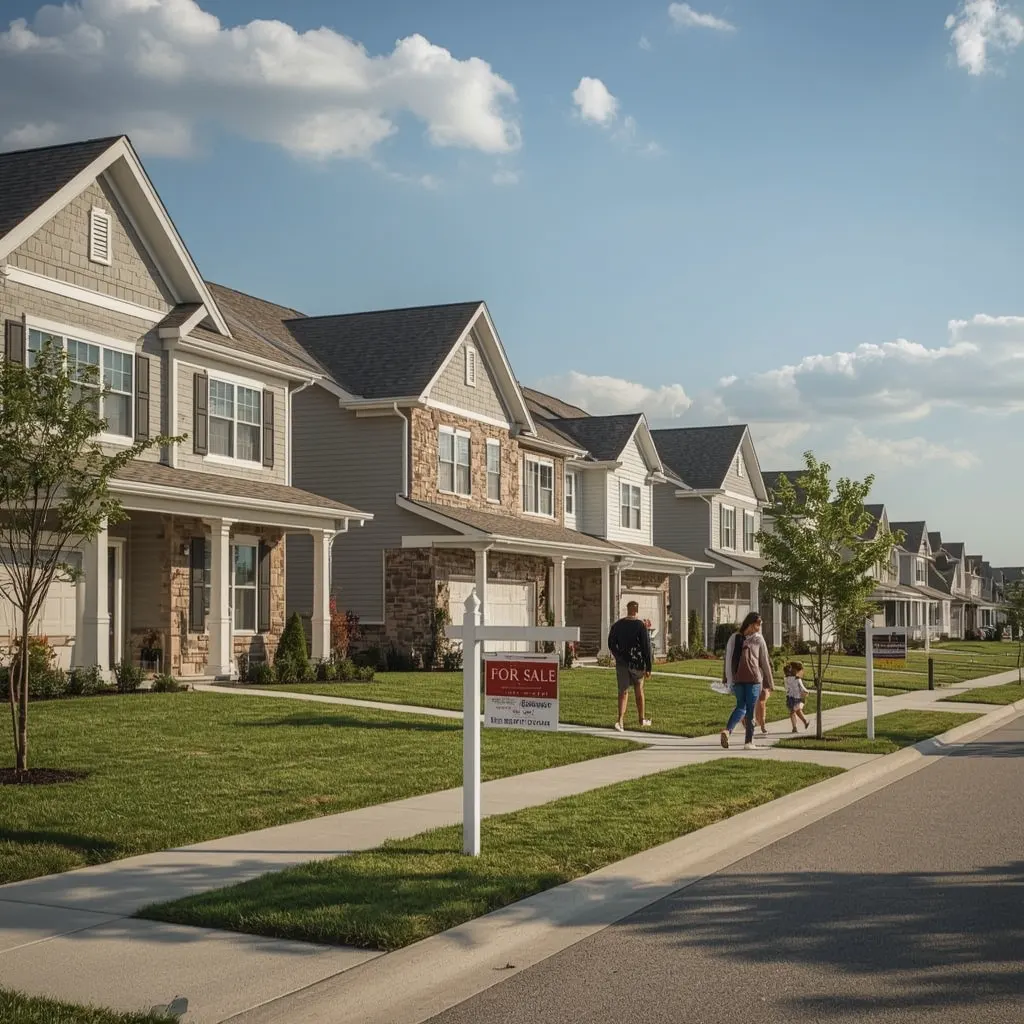

Unincorporated Naperville is land that often carries a Naperville mailing address but lies outside the City of Naperville’s corporate limits, so DuPage County or Will County and the township govern it instead of the City.
For a buyer, that can change the water and sewer source, electric provider, fire district, police agency, road and trash service, taxing bodies and permit office. Confirm the status parcel by parcel on the City’s Municipal Boundary map and the county parcel viewer, not by ZIP code.
I am Dan Firks, Founder and CEO of the Dan Firks Team at Coldwell Banker Real Estate Group here in Naperville. My Illinois real estate broker license is 475.141739.
Below are the checks I would make before an offer outside city limits, with the office that answers each. This is general information, not legal or tax advice. For a specific home, call or text me at 630.637.9009 or email Dan@Naperville.com, or skip to the 12-step pre-offer checklist.
In this guide
- What unincorporated means in Illinois
- How to tell if an address is inside city limits
- What changes outside city limits
- Well water and septic systems
- Well and septic inspections when you buy
- Electric service
- Fire protection and police
- Roads, snow and trash
- Library and Park District
- The tax bill
- Zoning, codes and covenants
- Annexation agreements
- Pre-offer checklist
- Frequently asked questions
What does unincorporated mean in Illinois?
Unincorporated land in Illinois is territory outside the corporate limits of any city, village or town, so the county and township govern it instead of a municipality.
Around Naperville, that means unincorporated DuPage County or unincorporated Will County, because the City sits in both. Census Bureau 2020 block data place parts of the City in Naperville, Lisle, Milton and Winfield townships in DuPage County and Wheatland and DuPage townships in Will County; the City’s Townships page describes the township split.
Special districts, such as a fire protection district or the Park District, are separate governments whose boundaries need not match the City’s, and unincorporated land can be annexed later.
How do I know if a Naperville address is inside city limits?
Look the parcel up on the City’s Municipal Boundary map and the county parcel viewer, then confirm it against the taxing bodies on its tax bill; the mailing address does not settle it.
- City of Naperville: open the Municipal Boundary dataset, which the City maintains and updates periodically (last edited January 22, 2026).
- DuPage County: search the address or parcel number in the DuPage County Parcel Viewer. The County’s Unincorporated Areas layer is a cross-check, but its description dates it to the 2017 tax assessment year.
- Will County: use the Will County GIS Data Viewer. The GIS Division is at (815) 774-6343.
- The tax bill: if the City of Naperville is not among the taxing bodies, the City does not levy on the parcel. Another city or village on the bill means the parcel is inside that municipality instead; no municipality at all points to unincorporated land, which the county viewer should confirm.
If sources disagree, raise it with your attorney during attorney review.
In my experience, the mailing address is the detail that is easiest to take at face value, which is why the boundary check comes first on my list.
Why a Naperville ZIP code does not settle it
Census Bureau 2020 data show that each of the four core Naperville ZIP code areas includes unincorporated land and part of at least one other municipality.
| ZIP code area | City of Naperville | Other municipalities | Unincorporated |
|---|---|---|---|
| 60540 | 77% | Under 1% (Woodridge, Lisle) | 22% |
| 60563 | 68% | 6% (Aurora, Warrenville, Lisle, Wheaton) | 26% |
| 60564 | 62% | 5% (Aurora) | 33% |
| 60565 | 68% | 2% (Woodridge, Bolingbrook) | 30% |
Is it good to live in an unincorporated area?
That depends on the parcel, not the label: the useful question is which services and costs change, so check each line of this table for the specific home.
| What changes | Inside city limits | Unincorporated parcel | Where to confirm |
|---|---|---|---|
| Water and sewer | Check the seller’s bills | Varies: private well, septic system or public connections | Seller, bills, inspection |
| Electric | Check the seller’s bill | Varies: Naperville Electric Utility or ComEd | The seller’s electric bill |
| Fire | Naperville Fire Department | A fire protection district | Tax bill, the district |
| Police | Naperville Police Department | DuPage or Will County Sheriff | The sheriff’s office |
| Roads, snow, trash | City of Naperville | Township road district and township hauler | The township |
| Library | Naperville Public Library card | Paid Nonresident Card if outside any library service area | The Library |
| Park district | Check the tax bill; the Park District is separate from the City | Check the tax bill | Tax bill, the Park District |
| Permits and zoning | City of Naperville | DuPage Building and Zoning or Will County Land Use | The county office |
| City transfer stamp | $1.50 per $500, buyer-paid | Does not apply | Closing statement |
| Tax bill | Includes a City levy | No City levy; fire district and road district lines | County clerk tax code reports |
Do unincorporated Naperville homes have well water and septic systems?
Some do and some do not: the water and sewer source varies by parcel, so confirm whether the home has a private well, septic system or public connections before you write an offer.
For scale, the DuPage County Health Department says, “About 20,000 homes and 200 businesses within DuPage County are served by water wells.” That is a county-wide figure, not a count for unincorporated Naperville.
Ask the seller for any water and sewer bills and for well or septic permits and service records. In my experience, well and septic questions go more smoothly when testing is decided at the offer stage rather than after the inspection period has started.
Is a well and septic inspection required when you buy in DuPage or Will County?
Neither county health department states a point-of-sale requirement on the pages checked September 29, 2026: the DuPage County Health Department’s Water and Sewage pages and the Will County Health Department’s Wells and Septic Systems page describe permits and testing but not an inspection at sale, so testing is something the buyer arranges or the contract assigns.
What does the Multi-Board 8.0 contract say about well and septic testing?
The Multi-Board Residential Real Estate Contract 8.0 has an optional paragraph, 16(b), that applies only when the parties initial it. It opens:
b) WELL OR SANITARY SYSTEM INSPECTION: Notwithstanding anything in the preceding paragraph, Seller shall obtain at Seller’s expense a well water test stating that the well delivers not less than five (5) gallons of water per minute and including a bacteria and nitrate test and/or a septic report from the applicable County Health Department, a Licensed Environmental Health Practitioner, or a Licensed Private Sewage System Installation Contractor, each dated not more than ninety (90) days prior to Closing, stating that the well and water supply and the private sanitary system are in operating condition with no defects noted.
Multi-Board Residential Real Estate Contract 8.0, Paragraph 16(b)
| Rest of 16(b) | What the printed form says |
|---|---|
| Defects found | The seller remedies them before closing, subject to the cost cap in the next row |
| Cost cap | If repairs plus landscaping exceed $5,000 and the parties cannot agree on the extra cost, either party may terminate |
| More testing recommended | At the seller’s expense; if recommended after closing, an escrow with a mutual cost allocation, or either party may terminate before closing |
| Delivery to the buyer | Not less than 10 Business Days before closing |
Whether to initial 16(b) is a question for your attorney at the offer. Inspection-period timing is in the Naperville home inspection guide for buyers.
How do you get well water tested in DuPage County?
The DuPage County Health Department tests private well water for a $37 fee, covering total coliform bacteria and nitrate. That is a bacteria and nitrate screen only, so it does not by itself supply the five gallons per minute flow statement or the septic report that Paragraph 16(b) calls for when initialed.
Kits are at Public Health Centers in Addison, Lombard, Westmont and Wheaton; the Environmental Water Lab is at (630) 221-7593, and its flyer recommends testing yearly.
Who handles wells and septic systems in Will County?
The Will County Health Department handles both. Its Wells and Septic Systems page describes inspecting and testing new private wells for bacteria and nitrate, and a Private Sewage Program that permits septic installations. For an existing home, ask what testing it offers and what it has on file.
The Illinois Department of Public Health oversees private sewage disposal and wells statewide; septic contractors are licensed under 225 ILCS 225 and well contractors by IDPH, so ask for a license. I do not recommend specific companies.
Which electric utility serves a home outside Naperville city limits?
Check the specific home: the City of Naperville owns and operates its own municipal electric utility, ComEd is the investor-owned utility for much of the surrounding region, and the seller’s electric bill is the quickest way to see which one serves the parcel.
Do not assume either from the address.
Who provides fire protection and police in unincorporated Naperville?
A fire protection district, not the City, is responsible for fire protection, and the county sheriff provides police service; which fire district serves a home depends on the pocket it sits in.
The Naperville Fire Protection District is separate from the City’s Fire Department; DuPage County says it serves unincorporated areas of Naperville and Aurora and contracts with the City for fire and emergency medical services.
Other pockets fall elsewhere: the Lisle-Woodridge Fire Protection District covers Lisle, most of Woodridge and nearby unincorporated DuPage. The parcel’s district appears on its tax bill.
For police, the DuPage County Sheriff’s Office serves unincorporated DuPage County and handles its 911 dispatch, and the Will County Sheriff’s Office patrols unincorporated Will County.
Who maintains the roads and picks up trash outside city limits?
The township road district, not the City, maintains the public roads in its care, including snow and ice, and named haulers run the township trash programs in Naperville, Lisle and Wheatland townships. For DuPage, Milton and Winfield townships, Wheatland roads and any private street, ask the township.
| Township (county) | Roads and snow | Trash for unincorporated homes |
|---|---|---|
| Naperville Township (DuPage) | Naperville Township Road District: pavement, drainage, trees, sweeping, brush and leaf pickup, snow and ice; 630-978-0380 | Groot Industries runs a Naperville Township residential program, per Groot’s own page; confirm the address with the township |
| Lisle Township (DuPage) | Lisle Township Road District: roads, curbs, parkways and culverts; snow, brush and leaf pickup. The township’s Highway Department page cites almost 50 miles of roads; 630-964-0057 | Lakeshore Recycling Systems (LRS), named on the township’s page; LRS service began August 1, 2020, and its 2020 flyer offered 35, 65 or 95 gallon subscription carts or a sticker program |
| Wheatland Township (Will) | Ask the township | Environmental Recycling & Disposal; $25.04 per month for 2025 to 2026 |
| DuPage Township (Will) | Ask the township | Ask the township |
The Naperville Township Road District notes that permits “may be required for any work performed within the Township right-of-way,” so ask before driveway work.
Can unincorporated residents use the Naperville Public Library and Park District?
It depends on the address: the Naperville Public Library sells a paid Nonresident Card only to Illinois residents whose home is outside every public library service area, and the taxing bodies on the tax bill show whether a home is in the Naperville Park District. A home inside another library’s service area does not qualify for that card.
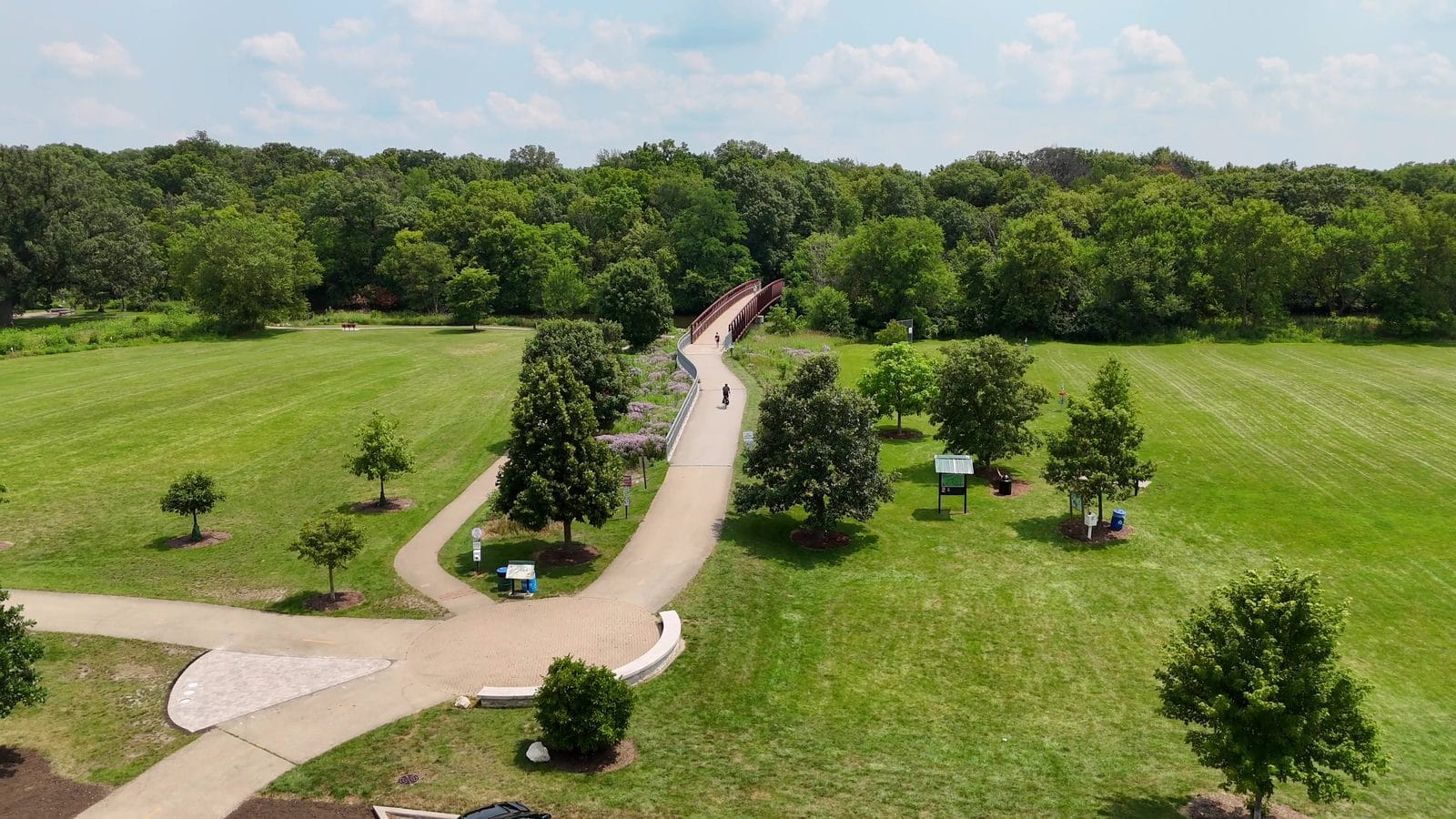
A nonresident who lives in Illinois and who does not have his or her principal residence within the territory of a public library service area may obtain a library card for each person in a household by paying a fee based on property tax formulas provided by the Illinois State Library. Nonresident Cards are valid for one year.
Naperville Public Library, Library Card Policy, last approved February 19, 2025
The policy lists two free exceptions: students age 18 and under who live in unincorporated Naperville or attend a Naperville school and document that they receive free or reduced-price lunches, and veterans and surviving spouses who document that they are exempt from property taxes on their primary residence. It does not print the fee formula, so ask the Library for the current fee and how it treats the address.
The Naperville Park District calls itself “a local government entity that is separate from the City of Naperville.” City limits alone do not settle whether a parcel is in it; read the taxing bodies on the parcel’s tax bill rather than assuming either way.
What changes on the tax bill for a home outside city limits?
The list of taxing bodies changes: an unincorporated bill has no City levy and instead carries lines such as a fire protection district and a township road district, so whether the total is higher or lower depends on that parcel’s own tax code and value.
I do not estimate a savings or a premium, and would be wary of any general claim either way. The Will County Supervisor of Assessments’ guide, Understanding Your Tax Bill, defines the key term: a tax code is “a number used by the county clerk that refers to a specific combination of taxing bodies.”
- Ask for the seller’s most recent tax bill and find the tax code on it.
- In DuPage County, look the code up on the County Clerk’s Property Tax Rate and Reports page (Tax Code per District Report).
- In Will County, use the County Clerk’s Tax Codes and Rates by Township and Tax Rates, Values and Extensions for All Taxing Districts pages.
- List the taxing bodies: check for the City, a fire protection district, a township road district, a park district and a library.
- Budget with the parcel’s own rate and bill, not a City-limits figure.
For how rates work, see the Naperville property taxes guide, then enter the parcel’s own annual tax figure in the property tax field of the Naperville mortgage calculator.
The presets in our property tax calculator are built for addresses inside the City, with City, Library and Park District levies, so they will not match an unincorporated bill.
In my experience, the list of taxing bodies answers more jurisdiction questions than any single map, because it shows who actually bills the parcel.
One closing cost changes too: the City of Naperville’s $1.50 per $500 transfer stamp, buyer-paid by City ordinance, applies only inside city limits; see what it costs to sell a home in Naperville for how the stamps split.
Are there fewer rules for a home outside city limits?
Not necessarily: county zoning and building codes apply in unincorporated DuPage and Will County, and recorded covenants or a homeowners association can still govern the lot, so check both before planning a fence, pool or addition.
The county offices, contacts and permit history lookups are in the county permit section of our permit search guide. Covenants and association documents show up in the title commitment your attorney reviews.
What is a pre-annexation agreement and why does it matter when buying?
A pre-annexation agreement is a recorded agreement about a property joining a municipality, and because it is part of the public record, it belongs on your attorney’s and title company’s review list before closing.
Illinois law (65 ILCS 5/7-1) lets a municipality annex territory that is contiguous to it, under the procedures in that article. Annexation agreements are recorded with the county, such as the DuPage County Recorder, so ask your title company and your attorney to look for a recorded annexation or pre-annexation agreement on the parcel. Questions for your attorney:
- Is an annexation or pre-annexation agreement recorded against this parcel?
- What does it require of the owner, and does it bind a new owner?
- Does it tie a City service, such as water, sewer or electric, to annexation?
- Does it set connection or recapture charges, and who would owe them?
What should you check before making an offer on an unincorporated Naperville home?
Confirm the jurisdiction first, then water and sewer, the tax bill, services and recorded documents, before you set an offer’s price and terms.
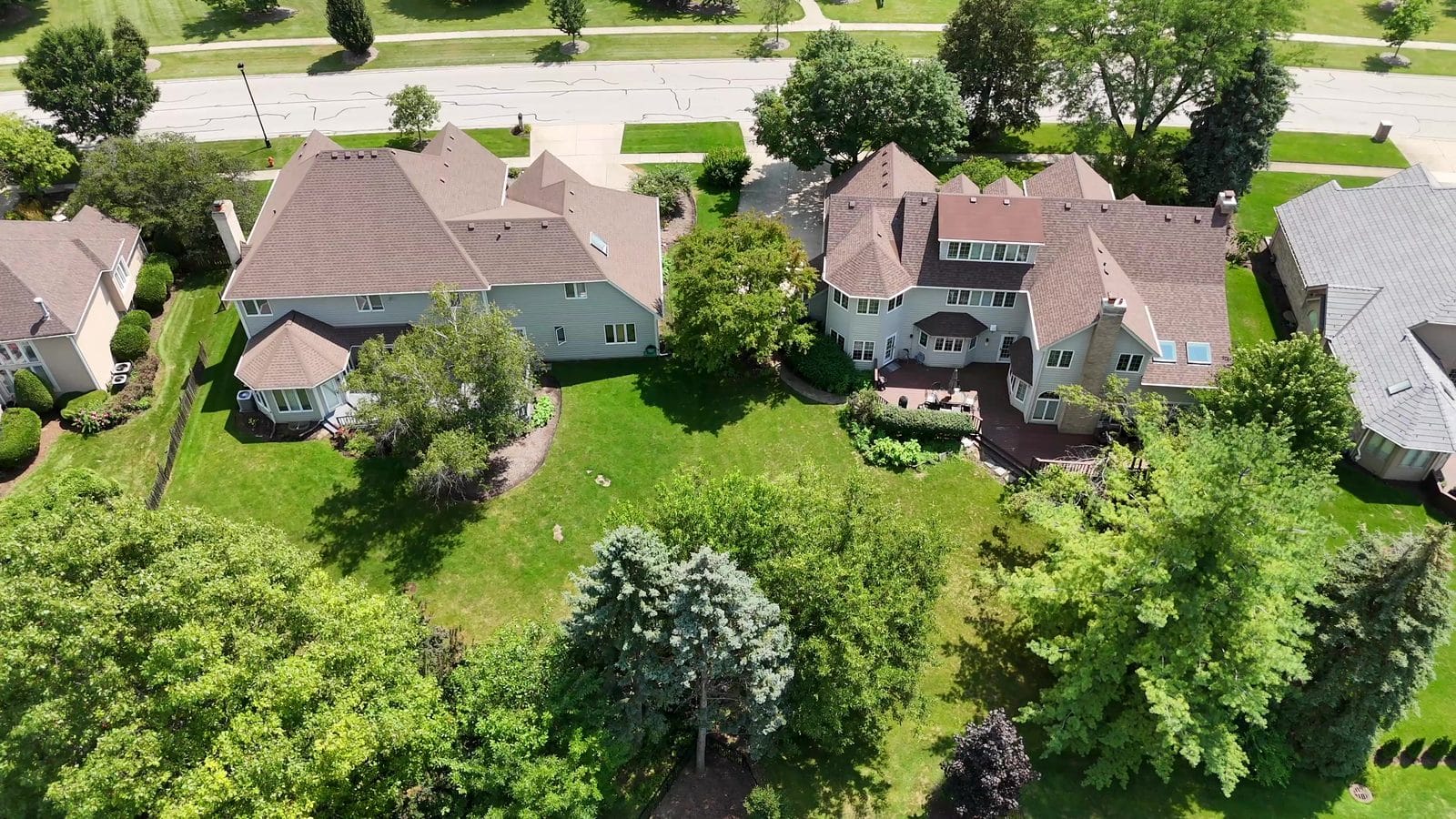
- Confirm city-limits status on the Municipal Boundary map and the DuPage or Will County viewer.
- Get the seller’s latest tax bill and list every taxing body on it.
- Identify the township, its road district and its trash arrangement.
- Ask whether the home has a private well, a septic system or public connections, plus permits and service records.
- Decide with your attorney whether to initial Multi-Board Paragraph 16(b) or write other testing terms.
- Arrange well testing: the DuPage County Health Department’s $37 test is a bacteria and nitrate screen that does not replace a 16(b) test; in Will County, ask the Health Department.
- Confirm the electric provider from the seller’s bill.
- Note the fire protection district and the sheriff’s office for the address.
- Ask the Library how it treats the address, and check the tax bill for the Park District.
- Confirm the school district with that district’s own address lookup, because school district lines do not follow city limits. District 203 calls its map “a visual interpretation of District 203 boundaries,” and District 204 says its maps “are not definitive as to the placement of the boundary.” The steps are in what school district am I in, and school questions go to the district.
- Have your attorney review the title commitment for annexation agreements, covenants and association documents.
- Budget with the parcel’s own tax code rate and without the City transfer stamp.
You can search Naperville-area homes for sale and run this list on any home that may sit outside the City.
For a second set of eyes on the jurisdiction, services and recorded documents for a specific parcel, call or text me at 630.637.9009, email Dan@Naperville.com, or use the contact page. I am a licensed broker, not an attorney or tax professional.
Frequently asked questions
Is unincorporated Naperville part of the City of Naperville?
No. Unincorporated land lies outside the corporate limits of the City of Naperville, even when the mailing address says Naperville. DuPage County or Will County and the township govern it instead.
Does a Naperville ZIP code mean a home is inside city limits?
No. Census Bureau 2020 data show that 60540, 60563, 60564 and 60565 each include unincorporated land and part of another municipality. Check the parcel on the City boundary map or county parcel viewer.
Is a well or septic inspection required to buy a house in DuPage or Will County?
Neither county health department states a point of sale requirement on its program pages, checked September 29, 2026. A buyer can arrange testing, and Multi-Board 8.0 Paragraph 16(b) is an optional testing paragraph that applies only if initialed.
How much does a DuPage County well water test cost?
The DuPage County Health Department charges $37 for a private well water test covering total coliform bacteria and nitrate screening. Kits are picked up at Public Health Centers in Addison, Lombard, Westmont or Wheaton.
Do you pay the Naperville transfer stamp on an unincorporated home?
No. The City of Naperville stamp of $1.50 per $500, buyer paid by City ordinance, applies only inside city limits. For the other transfer stamps on a sale, see what it costs to sell a home in Naperville.
Who plows the roads in unincorporated Naperville?
The township road district plows the roads it maintains. The Naperville Township and Lisle Township road districts both list snow and ice work for unincorporated areas. In the Will County townships, ask the township.
Can I get a Naperville Public Library card if I live outside city limits?
If the home is outside any public library service area, yes. Illinois residents in that situation can buy a one year Nonresident Card with a fee based on Illinois State Library property tax formulas. Ask the Library for the current fee.
Looking to Buy or Sell in Naperville?

Have questions about buying or selling real estate in Naperville? Get in touch with Dan Firks today.
Contact Dan Firks
Recent Post
Oct. 09, 2026
Buying a Home in Unincorporated Naperville: Outside the City Limits
Oct. 08, 2026
First Time Home Buyer Programs in Naperville: IHDA, Limits and Steps
Oct. 07, 2026
Ranch Homes in Naperville: How to Search, Verify and Inspect
Oct. 07, 2026
Naperville Halloween and Fall Events 2026: Things to Do Oct 10 to Nov 5
Oct. 06, 2026
Building a Custom Home in Naperville: Lots, Teardowns, Costs, Builders
Explore Naperville
Naperville is a vibrant community offering something for everyone. From highly rated schools and welcoming neighborhoods to local dining, seasonal events, and everyday conveniences, the city blends suburban comfort with an active lifestyle. Whether you’re researching the area, planning a visit, or considering a move, explore the sections below to learn more about what makes Naperville a great place to live, work, and enjoy.
Explore Naperville