
A Naperville permit search for a home you plan to sell starts with the City’s free open-data permit records, which list permits by address, in practice from 2014 on.
For older work, or anything the open data does not show, a Freedom of Information Act (FOIA) request is how to ask the City what it holds.
If the home is in unincorporated DuPage or Will County, or in another town that shares a Naperville ZIP code, that county or town holds the permits.
I am Dan Firks, Founder and CEO of the Dan Firks Team at Coldwell Banker Real Estate Group here in Naperville. My Illinois real estate broker license is 475.141739. This guide covers one pre-listing job: finding what permits exist on your house and knowing which questions belong with the City, your attorney or me.
It is general information, not legal advice. To talk through your own house, call or text me at 630.637.9009 or email Dan@Naperville.com. Want the steps first? Skip to the 10-step pre-listing permit checklist.
In this guide
- How do I find out what permits have been pulled on my house
- How do I get Naperville permit records without a FOIA request
- How far back do Naperville permit records go
- Which home projects need a permit in Naperville
- What happens if work was done without a permit before I sell
- What happens if a permit expired before the work was finished
- Do I have to disclose unpermitted work when selling in Illinois
- Which county handles permits for an unincorporated Naperville address
- How do I run a Naperville permit search before selling
- Frequently asked questions
How do I find out what permits have been pulled on my house?
Match the year of the work to the right City record: the current open-data permit dataset for work since the City’s 2022 to 2024 system change, the historical dataset for 2014 through that change, and a FOIA request for anything older or missing.
The City phased in a new permit system between 2022 and 2024, and some changeover permits sit in the other dataset, so for work from those years, check both.
| When the work was done | Where to look first | What you get | Cost and wait |
|---|---|---|---|
| 2022 to today (current system) | Open Data Naperville: Building Permits | Issue, expiration and finalize dates and status; updated monthly | Free |
| 2014 to 2024 (prior system) | Open Data Naperville: Building Permits (Historical) | Prior-system permits, in practice from 2014 | Free |
| Recent months, as a backup | Monthly permit Detail Report | PDF with permit type, address, contractor and valuation; 2025 to July 2026 as of September 29, 2026 | Free PDF, no FOIA |
| Before 2014, or anything missing | FOIA request to the City | Whatever the City holds; it says its permit database dates back to 1992 | Most answered within five business days, plus up to five more |
| Unincorporated, or another town | The county or that town | Their permits, not the City’s | See below |
In my experience, the quickest way through this is to list every project you know about, with the year, before opening a single record. Then a Naperville permit lookup means checking a short list, not thousands of rows.
How do I get Naperville permit records without a FOIA request?
Use the City’s open-data permit datasets, with its monthly permit reports as a backup; neither requires a FOIA request. The reports page says monthly permit data “now can be obtained without filing a formal Freedom of Information Act (FOIA) request.” Some paid websites repackage this public data; the City’s copies are free.
- Open the current Building Permits dataset and the Building Permits (Historical) dataset. For work from 2022 to 2024, check both.
- Search for your address, or cross-check with the parcel number (PIN) on your tax bill; the current dataset adds four zeros to it.
- Read each record’s permit number, work class, description, issue, expiration and finalize dates and status. The historical dataset has type, dates and status but no finalize date.
- Mark any project with no record, and any permit whose status does not show the work was closed out.
- Save what you found, dated. For anything the records do not answer, call the City’s Transportation, Engineering and Development (TED) Business Group at (630) 420-6100, option 2.
What the status labels show, counted from the City’s data on September 29, 2026:
| Status | Dataset | What the data shows | Next step |
|---|---|---|---|
| COMPLETE | Current | All 15,300 carry a finalize date | Save a copy |
| EXPIRED | Current | 12,624 records; only 13 carry a finalize date | Ask the permits line what closing it out requires |
| ISSUED, VOID, CANCELLED or another label | Current | Most carry no finalize date | Ask the permits line |
| FINAL INSPECTION COMPLETE or C.O. ISSUED | Historical | The label records a final inspection or certificate of occupancy | Save a copy |
| PERMIT PRINTED or another label | Historical | The label records no final inspection | Ask the permits line |
The monthly Detail Report PDFs ran through July 2026 as of September 29, 2026, while the current dataset already listed August permits, so treat them as a backup.
How far back do Naperville permit records go?
The City’s free open-data records reach back to 2014 permits, and the City says its permit database dates back to 1992, though it does not say what that database holds for a given house.
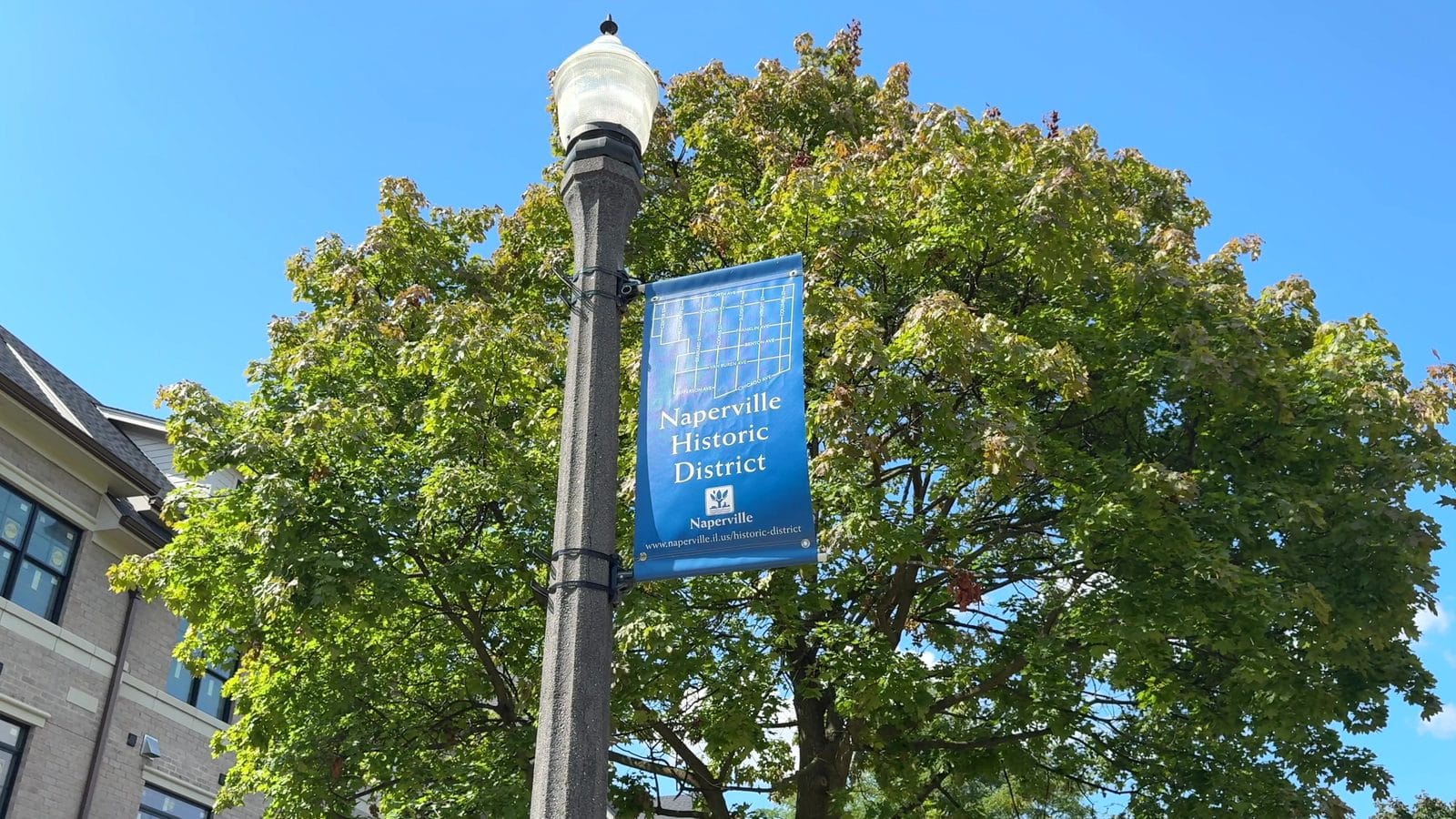
The City describes the historical dataset as starting in 2013, but its earliest records are 11 site development permits issued in December 2013 and filed as 2014 permits (checked September 29, 2026). The 1992 date comes from the City’s FOIA page:
The City of Naperville’s permit database dates back to 1992. For single-family homes constructed prior to 1992, the City does not have any information.
City of Naperville, FOIA Request page, section on single-family residential permit plan requests
That line sits under a section on requesting architectural plans. It is not a promise of permit records from 1992 on, nor a finding that an older house has none, so a FOIA request is how to ask.
How do I request older permit records through FOIA?
Name the property address and ask for the permit records on file. The City accepts requests:
- Online, through the electronic form on the City’s FOIA request page.
- By email to NapervilleClerks@naperville.il.us, specifying ATTENTION-FOIA OFFICER.
- By mail or in writing to the Naperville Municipal Center, 400 South Eagle Street, Naperville, IL 60540, ATTENTION: COMMUNITY SERVICES DEPARTMENT/FOIA OFFICER.
Requests sent any other way “will not be considered received by the City.” Most are answered within five business days, with up to a five business day extension, so plan for up to ten business days.
Which home projects need a permit in Naperville?
Naperville permitting covers new buildings, additions and remodeling, decks, patios, fences and pools; the main exceptions are common roofing and siding replacements on single-family homes, small rear-yard patios and small sheds.
Sources: the City’s Building Permits page and the Residential Code amendments (R105.2), read September 29, 2026.
| Project | What the City says |
|---|---|
| New building, addition or remodel | Listed as a construction project |
| Deck, patio, fence or pool | Listed as a construction project |
| Rear-yard patio under 500 square feet, no electrical, plumbing or gas fixtures | No permit (R105.2); setbacks and easements still apply |
| Detached one-story shed or playhouse up to 150 square feet | No permit (R105.2) |
| Driveway, outbuilding, air conditioner, water softener, lawn sprinkler or antenna | A permit also may be required |
| Single-family home: vinyl, aluminum or cement board siding | No permit required |
| Single-family home: asphalt composite shingle roof, existing sheathing kept | No permit required |
| Brick, thin-set masonry or stone veneer; metal, wood, slate or sealed membrane roofing | Permit required |
For the roofing and siding exception, the City says the owner must still make sure the work meets building codes and that any roofer hired is licensed by the State of Illinois.
In my experience, the projects that raise questions are often ones a previous owner finished years ago, such as a deck, a fence or a pool, because the current owner never saw that paperwork. Permits are recorded by address, so the same search covers them.
What happens if work was done without a permit before I sell?
Naperville’s Building Code amendments say that for finished work done without a permit, where required inspections cannot be completed, the City may require the permit applicant to submit a third-party contractor’s verification that the work meets Naperville Code.
Whether that section governs a one- or two-family house is not settled by the code text, so ask the permits line which rules apply to yours.
The same section (5-1A-3, amending Section 109.4) covers whoever started the work: penalties as prescribed by law and/or permit fees, including double inspection and administrative fees or a $500 fee, whichever is greater, plus a stop work order until permits, inspections and other approvals are obtained. It adds:
If said permits, inspections, or other necessary approvals cannot be obtained, the City may require the applicant to remove the subject improvement.
Naperville Municipal Code, Title 5, Chapter 1, Article A (Building Code), Section 5-1A-3, amending Section 109.4
The Residential Code amendments for one- and two-family homes and townhouses (5-1B-2) do not repeat that section. Their penalty section, R113.4, like the Building Code’s 114.4, carries double fees and a stop work order, but no $500 minimum or third-party clause.
Base fees are in Title 1, Chapter 9, Article H; see the City’s Single Family/Small Residential Permit Fee Schedule (last updated February 1, 2019, per Ordinance 18-145).
Call (630) 420-6100, option 2, or visit the TED Business Group at 400 S. Eagle St., weekdays 9 a.m. to 4 p.m., and ask what the City needs for work already done and which fees apply.
For the office’s phone number and website in one place, see the Naperville.com Building Permits & Inspections listing.
What happens if a permit expired before the work was finished?
The permit becomes invalid, and under the Municipal Code an expired permit is subject to additional plan review with new review fees and administrative fees.
Under the Residential Code (R105.5), a permit becomes invalid if work does not start within 180 days of issuance or stops for 180 days, and every permit becomes invalid one year after issuance.
The building official can grant written extensions of up to 180 days each for justifiable cause. The code puts no dollar amount on the new review, so ask the permits line for the current fee.
EXPIRED is common: about 18 percent of residential records in the current dataset carry it (1,928 of 10,728 on September 29, 2026), almost none with a finalize date. If one is on your house, ask the permits line what closing it out requires before you list.
Do I have to disclose unpermitted work when selling in Illinois?
The Illinois statutory disclosure form does not ask about permits by name; it asks whether you have received an uncorrected notice of violation and defines material defects, and whether unpermitted work at your house must be disclosed is a question for a licensed Illinois real estate attorney. Quoted, not interpreted, item 23 reads:
I have received notice of violation of local, state or federal laws or regulations relating to this property, which violation has not been corrected.
765 ILCS 77/35, Residential Real Property Disclosure Act, disclosure report form
The form defines a material defect this way:
In this form, “material defect” means a condition that would have a substantial adverse effect on the value of the residential real property or that would significantly impair the health or safety of future occupants of the residential real property unless the seller reasonably believes that the condition has been corrected.
765 ILCS 77/35
And its note on what the disclosures cover:
These disclosures are intended to reflect the current condition of the premises and do not include previous problems, if any, that the seller reasonably believes have been corrected.
765 ILCS 77/35
Applying any of this is your attorney’s job. See my guides to Illinois seller disclosure requirements and do you need a real estate attorney to sell in Illinois.
Which county handles permits for an unincorporated Naperville address?
DuPage County Building and Zoning handles permits for unincorporated DuPage County, and the Will County Land Use Department’s Building Section handles unincorporated Will County. A Naperville mailing address does not by itself mean a home is inside the City. My guide to buying a home in unincorporated Naperville covers the other checks that apply when it is not.
Naperville ZIP codes also reach into other towns: the Census Bureau’s 2020 ZIP code areas put parts of 60563 and 60564 in Aurora, part of 60563 in Warrenville, and parts of 60540 and 60565 in Woodridge.
A home inside another town has its permits with that town. To confirm, check the City’s Municipal Boundary map on Open Data Naperville or ask the permits line.
| Unincorporated DuPage County | Unincorporated Will County | |
|---|---|---|
| Office | DuPage County Building and Zoning Department | Will County Land Use Department, Building Section |
| Phone | (630) 407-6700 | (815) 727-8634 |
| BuildingandZoning@dupagecounty.gov | building@willcountylanduse.com | |
| Permit application portal | DuPage County Accela site | Will County SmartGov site |
One trap: the DuPage County Accela site shows up in searches for Naperville permits but covers only unincorporated DuPage County. City applications go through the City’s online permitting portal, which City pages call both Civic Access and the Permitting, Plans and Licensing Portal.
How do I run a Naperville permit search before selling?
Make a list of every project done on the house, match each one to a permit record, and settle any gaps with the City and your attorney before the home goes on the market.
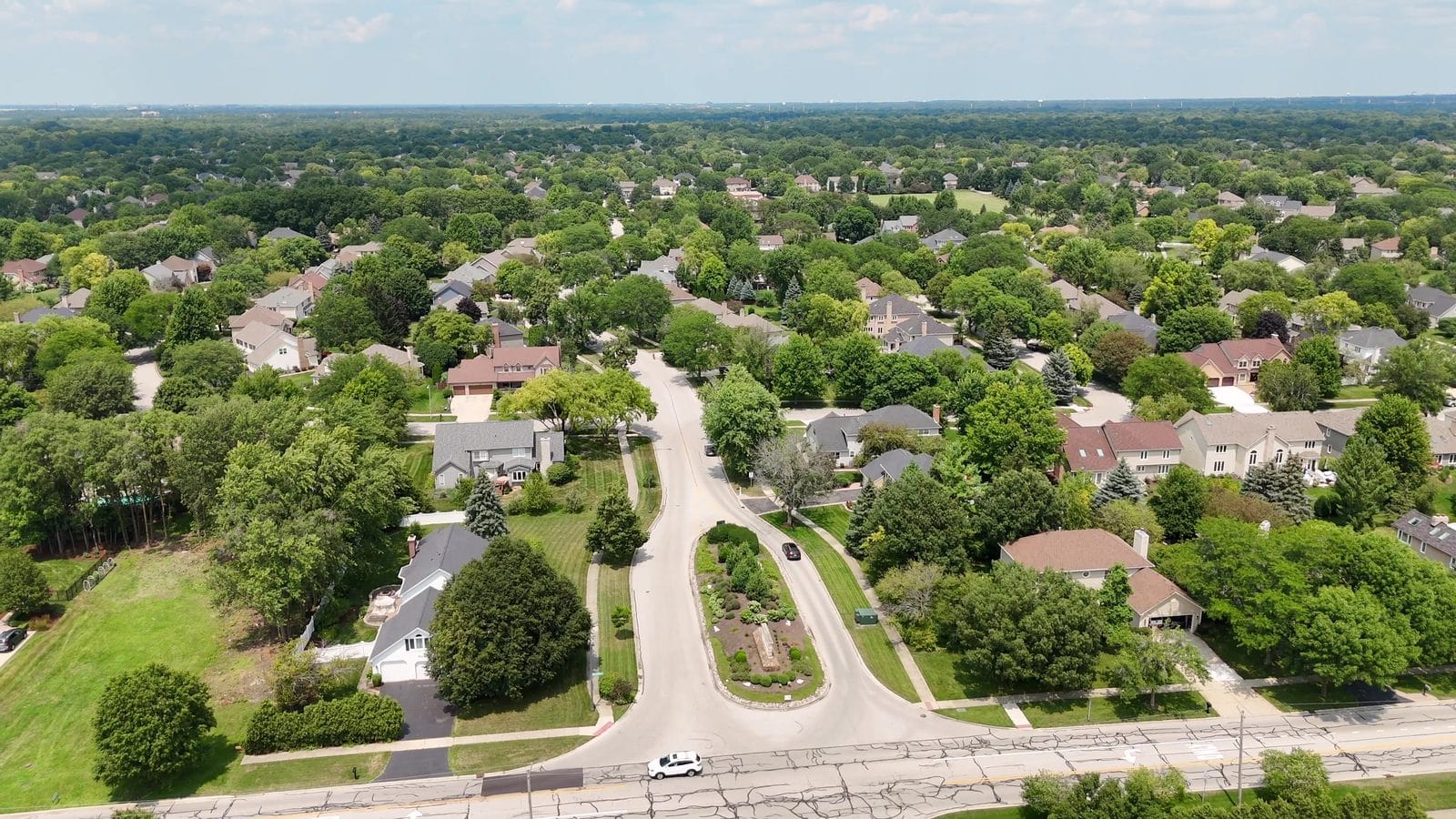
The checklist I would print and work through:
- List every project since you bought the home, plus any a previous owner did, with the year.
- Confirm the home is inside the City: check the Municipal Boundary map or ask the permits line.
- Search both open-data permit datasets by address or parcel number.
- Read each record’s status and finalize date against the status table above.
- File a FOIA request for work before 2014, or anything you could not find.
- Mark every project with no record, unless the code exempts it (such as a small rear-yard patio or shed), and every permit with no sign the work was closed out.
- Call (630) 420-6100, option 2, or email buildingpermits@naperville.il.us about each marked item.
- Take your findings to your real estate attorney before you complete the disclosure form.
- If a permit is needed, allow review time: the City says a fence or driveway may be reviewed in less than one week and a complex project in three to four weeks, longer in busy seasons.
- Keep printed copies with your listing paperwork.
Buyers can look too, since these records are public.
In my experience, permit questions are far easier to answer before a home is listed than during attorney review.
To put numbers to the sale, see what it costs to sell a home in Naperville, run the Naperville net proceeds calculator, or request a home value estimate for a starting point on price.
For a second set of eyes on what you found, call or text me at 630.637.9009, email Dan@Naperville.com, or use the contact page. I am a licensed broker, not an attorney.
Frequently asked questions
Is a Naperville permit search free?
Yes. The City of Naperville open data permit records and monthly permit Detail Reports are free to view online, with no FOIA request. Some paid websites repackage the same public data.
What does EXPIRED mean on a Naperville permit record?
It is the status the City open data gives a permit that has expired, and about 18 percent of residential records in the current dataset carry it, almost none with a finalize date. Ask the permits line at (630) 420-6100, option 2, what closing one out requires.
Where can I find a contact sheet for Naperville building permits?
The building permit contact sheet is the City Contact Registration Form, a PDF that a permit applicant fills in to list the property owner, contractors, subcontractors and a primary contact. It is not a list of City staff. For a question about a specific address, call (630) 420-6100, option 2, or email buildingpermits@naperville.il.us.
Does a new roof or new siding need a permit in Naperville?
On a single-family home, usually not. The City requires no permit there for vinyl, aluminum or cement board siding, or for an asphalt composite shingle roof when the existing sheathing stays in place. Brick, thin-set masonry, stone veneer, and metal, wood, slate or sealed membrane roofing need one.
Does a deck, fence or pool need a permit in Naperville?
The City says residents must obtain building permits before any new construction project and lists decks, fences and pools as construction projects. A rear-yard patio under 500 square feet with no electrical, plumbing or gas fixtures is exempt under the Residential Code.
Looking to Buy or Sell in Naperville?

Have questions about buying or selling real estate in Naperville? Get in touch with Dan Firks today.
Contact Dan Firks
Recent Post
Oct. 16, 2026
Naperville Restaurants: Choose Where to Eat by Outing
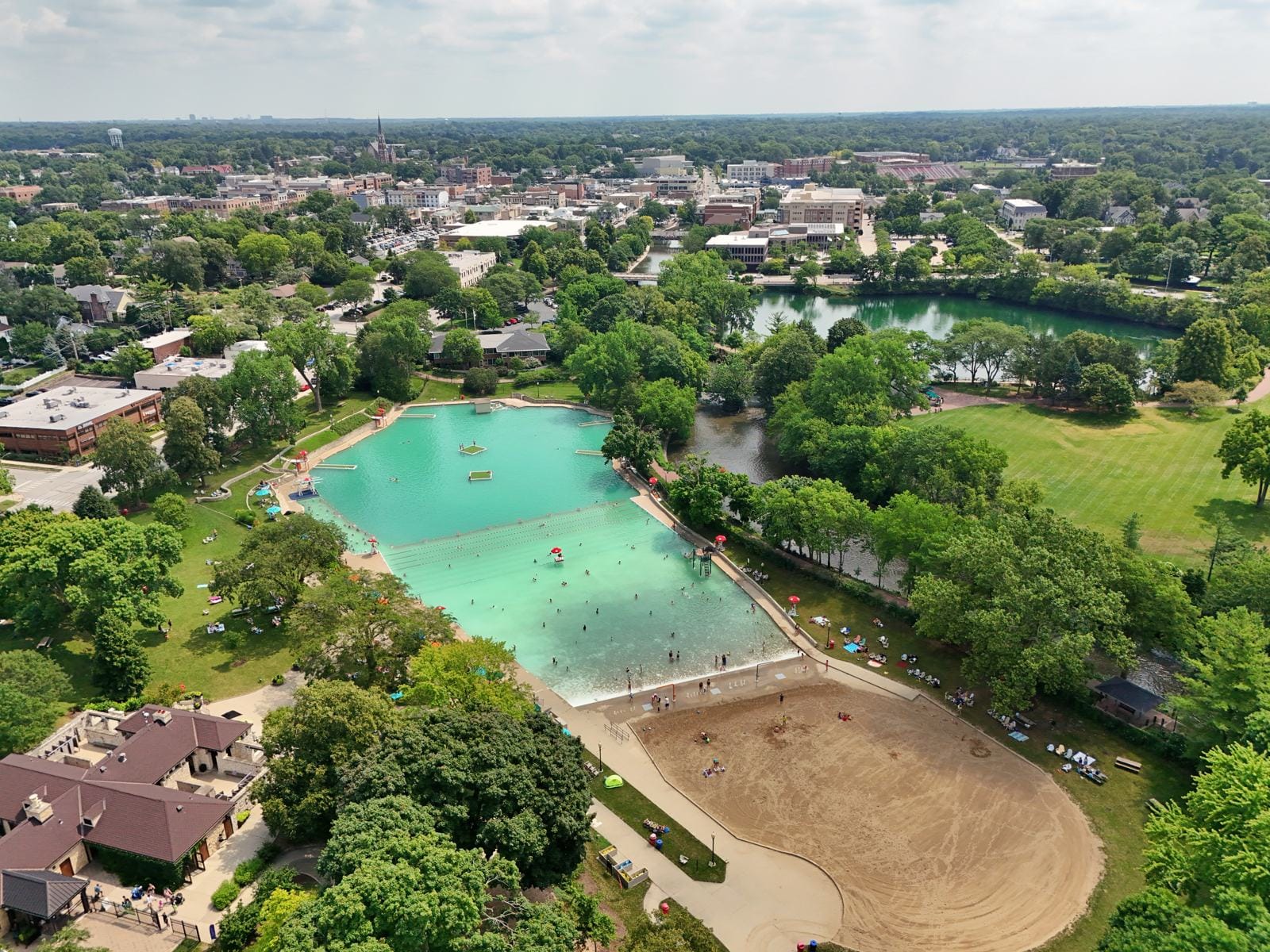
Oct. 16, 2026
Centennial Beach in Naperville: Plan a Seasonal Visit
Oct. 16, 2026
Naperville ZIP Codes, Counties and Population Explained
Oct. 16, 2026
Naperville Public Library: Choose a Branch and Plan a Visit
Oct. 16, 2026
Naperville Parks: Choose a Place by Activity
Explore Naperville
Naperville is a vibrant community offering something for everyone. From highly rated schools and welcoming neighborhoods to local dining, seasonal events, and everyday conveniences, the city blends suburban comfort with an active lifestyle. Whether you’re researching the area, planning a visit, or considering a move, explore the sections below to learn more about what makes Naperville a great place to live, work, and enjoy.
Explore Naperville